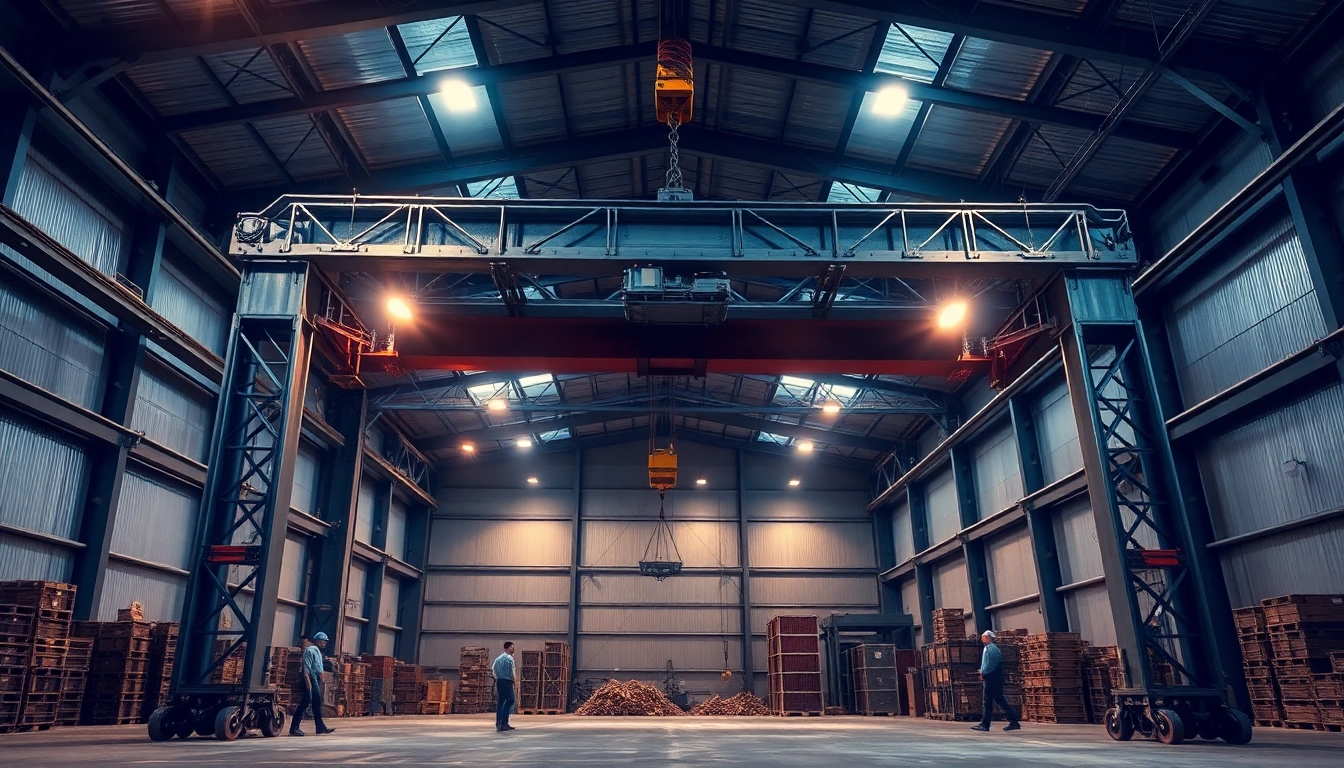
Performing hydraulic system maintenance on machinery, ensuring optimal performance.

Comprehensive Guide to Hydraulic System Maintenance for Optimal Performance

Understanding Hydraulic System Maintenance

What is Hydraulic System Maintenance?

Hydraulic system maintenance involves the regular tasks and procedures necessary to ensure the efficient and safe operation of hydraulic systems. These systems use hydraulic fluid under pressure to perform work, so maintaining their components, fluids, and overall functionality is crucial for optimal performance. The maintenance of hydraulic systems includes checking fluid levels, changing filters, inspecting components for wear, and ensuring there are no leaks or malfunctions. To maintain a hydraulic system effectively, a structured approach is essential, integrating various tasks and checks into a routine that guards against costly downtimes or system failures.

Importance of Hydraulic System Maintenance

Routine hydraulic system maintenance is vital for several reasons. First, it helps prevent unexpected failures and costly repairs that could arise from neglecting essential components. For production facilities relying on hydraulic systems for operations, any outages can lead to significant downtime and financial losses. Regular maintenance also improves efficiency, ensuring that the hydraulic system operates at optimal levels and uses energy effectively. In the long term, proper maintenance extends the lifespan of hydraulic components, reducing replacement frequency and contributing to better overall system reliability. Thus, implementing regular maintenance tasks becomes a critical aspect of hydraulic system management.

Common Hydraulic Systems Components

A hydraulic system comprises various components that work harmoniously to deliver consistent and powerful operation. Common elements include:

  • Pumps: These are responsible for moving hydraulic fluid through the system, creating the necessary pressure.
  • Hydraulic Fluids: The medium through which energy transmission occurs, these fluids must be of high quality and suitable for the specific application.
  • Actuators: These components convert hydraulic energy into mechanical motion, which can be either linear or rotary.
  • Valves: Control the flow of hydraulic fluid, directing it to appropriate actuators or components as needed.
  • Filters: Essential for maintaining fluid cleanliness by removing contaminants and preventing wear on system components.
  • Tanks/Reservoirs: Store hydraulic fluid and allow for expansion and cooling, ensuring stable system operation.

Key Maintenance Tasks for Hydraulic Systems

Regular Oil and Fluid Checks

One of the primary tasks in hydraulic system maintenance is to regularly check and maintain fluid levels and quality. It’s crucial to inspect hydraulic fluids for any signs of contamination, such as discoloration, foul odors, or particles. Maintaining appropriate fluid levels is equally essential since low fluid can lead to air entering the system, causing operational inefficiencies and potentially damaging components. Scheduled checks should be performed according to the system’s usage and operating environment, typically every few weeks, or more frequently in demanding conditions.

Inspecting and Changing Filters

Hydraulic filters play a key role in the longevity of hydraulic systems by removing contaminants that can adversely affect performance and reliability. Inspecting filters regularly allows for early detection of clogging or corrosion, and filters should be changed at specified intervals based on the manufacturer’s recommendations, or sooner if the system operates in particularly harsh conditions. Implementing a consistent schedule for inspecting and replacing filters will help maintain fluid cleanliness and prolong the life of the hydraulic components.

Evaluating Component Conditions

Regular evaluations of the various components within the hydraulic system are crucial. This includes checking for leaks, assessing the condition of hoses for cracks or fatigue, and inspecting seals for wear. A visual inspection coupled with pressure testing can help identify early signs of failure. When a potential issue is found, it should be addressed immediately to ensure overall system integrity and performance. Component evaluation is not just about looking for problems; it also involves understanding the lifespan expectations of each part and planning for replacements ahead of time.

Best Practices for Hydraulic System Maintenance

Creating a Maintenance Schedule

Establishing a well-structured maintenance schedule is one of the most effective ways to ensure that hydraulic systems operate smoothly and reliably. This schedule should be based on the manufacturer’s guidelines, as well as operational demands. A good maintenance schedule will include routine checks, fluid sampling, inspections, and necessary part replacements. By adhering to a predetermined schedule, operators can anticipate and mitigate potential failures, enhancing operational efficiency and reducing downtime.

Utilizing Maintenance Checklists

Using maintenance checklists can significantly streamline the hydraulic system maintenance process. These checklists should cover all parts of maintenance, from daily checks to more in-depth monthly and yearly inspections. Checklists ensure consistency in executing maintenance tasks, allowing for comprehensive tracking of completed activities. Moreover, they can provide insights into patterns that may emerge over time, indicating whether issues are recurring and necessitating further scrutiny or action.

Training Personnel on Hydraulic Systems

To achieve effective hydraulic system maintenance, proper training of personnel is essential. Operators and maintenance staff must understand the fundamental principles of hydraulics and be familiar with the specific systems they work on. Regular training sessions can help ensure that everyone is aware of best practices, safety considerations, and the latest maintenance techniques. By investing in training, you not only empower your team but also minimize risks associated with operator errors, contributing to a safer and more reliable working environment.

Signs Your Hydraulic System Needs Maintenance

Performance Indicators to Watch For

Correctly monitoring performance indicators is critical in early detection of potential hydraulic system issues. Some telltale signs may include a drop in power output, slower response times from actuators, or reduced efficiency during operation. Additionally, any unexpected noises or vibrations can indicate mechanical problems. Consistently measuring and analyzing these performance metrics can lead to timely maintenance interventions, helping avoid costly repairs and system failures.

Common Symptoms of Malfunction

Common symptoms indicating that a hydraulic system may require maintenance include:

  • Inconsistent operation of hydraulic components due to fluctuating pressure.
  • Oil leaks around joints and seals, which can pose safety hazards.
  • Unusual odors or sounds that suggest contamination or component failure.
  • Excessive heat build-up in the fluid, which could signal overworking or systemic inefficiencies.

Noting these symptoms can help operators react promptly, ultimately saving costs and maintaining efficiency in operations.

Preventive Measures to Consider

Incorporating preventive measures into hydraulic system maintenance is vital for enhancing reliability and performance. Strategies such as regular fluid analysis, scheduling routine maintenance tasks, and training personnel on recognizing early warning signs can significantly reduce unplanned downtime. Furthermore, an effective preventive maintenance plan may also incorporate condition monitoring technologies that provide real-time data to help detect anomalies before they escalate into serious issues.

FAQs About Hydraulic System Maintenance

What are the main components of a hydraulic system?

A hydraulic system mainly consists of a pump, hydraulic fluid, actuators, valves, and filters that work together to transfer force and create movement.

How often should hydraulic systems be maintained?

Hydraulic systems should undergo maintenance checks at least every six months or sooner if performance changes occur.

What are the signs of hydraulic fluid contamination?

Signs include discoloration, unusual odor, and presence of particulates or foaming, indicating an immediate need for fluid replacement.

Can I perform maintenance on hydraulic systems myself?

While basic checks can be DIY, consulting a professional for complex tasks is advisable to avoid potential damage.

What is the cost associated with hydraulic system maintenance?

Costs vary based on system complexity and maintenance tasks, but regular inspections and fluid changes are crucial for budget considerations.

Contact Information

Call Us: 1 780-452-2876
Email: [email protected]
Address: 13111 159 St NW, Edmonton, AB, Canada, T5V 1H6

Executing precision cuts in custom shearing edmonton with advanced machinery and skilled technicians.

Expert Custom Shearing Edmonton: Precision Metal Cutting Services

Understanding Custom Shearing Edmonton

Custom shearing is an essential process in the metal fabrication industry, offering precision cutting to meet specific customer needs. Understanding the fundamentals of custom shearing edmonton can help businesses streamline their operations, reduce waste, and enhance product quality. This article delves into the intricacies of custom shearing, its benefits, materials used, and how to choose the right service provider.

What is Custom Shearing?

Custom shearing is a manufacturing process where metal sheets are cut to desired dimensions using specialized machines known as shears. The operation is designed to provide precise, clean cuts of varying thicknesses and lengths tailored to customer specifications. This method of fabrication is critical in industries where exact measurements are paramount, such as construction, automotive, and aerospace.

Benefits of Custom Shearing Services

The benefits of utilizing custom shearing services include:

  • Precision: The process ensures that cuts are exact, reducing the risk of waste and error.
  • Customization: Clients can request specific dimensions and shapes that meet their project requirements.
  • Efficiency: Modern shearing equipment allows for rapid production times, which helps in meeting tight deadlines.
  • Material Versatility: Services can accommodate various materials, including steel, aluminum, and other metals.

Materials Used in Shearing

Shearing operations can handle a wide variety of metal types and gauges. Common materials include:

  • Mild Steel: Known for its strength and durability, mild steel is often used in structural applications.
  • Stainless Steel: Offers superior corrosion resistance, making it ideal for kitchens and marine environments.
  • Aluminum: Lightweight yet strong, aluminum is frequently used in automotive and aerospace industries.
  • Brass: Effective for decorative purposes due to its attractive finish.

Choosing the Right Shearing Service

Factors to Consider

When selecting a shearing service, organizations must consider several crucial factors:

  • Experience and Expertise: Look for companies that have a proven track record in custom shearing.
  • Capability: Evaluate whether the service can handle the specific type of material and thickness you require.
  • Turnaround Time: It’s essential to have a service that can meet your deadlines without sacrificing quality.
  • Technology: The use of advanced machinery can enhance precision and speed.

Evaluating Shearing Suppliers

To ensure reliability and quality, evaluate potential suppliers through:

  • Reviews and Testimonials: Seek feedback from previous clients to gauge satisfaction.
  • Certifications: Ensure that suppliers comply with industry standards and certifications that reinforce quality.
  • Sample Work: Request examples of previous projects to assess workmanship and quality.

Common Certifications and Standards

Certifications play a critical role in guaranteeing that shearing services adhere to industry standards. Some common certifications include:

  • ISO 9001: This certification standardizes quality management systems across industries.
  • NSF Certification: Often required in food and environmental applications.
  • ASTM Standards: These standards ensure the materials used meet specific safety and quality requirements.

Shearing Techniques and Technologies

CNC Shearing vs. Manual Shearing

Two primary shearing techniques exist: CNC and manual shearing. CNC (Computer Numerical Control) shearing utilizes advanced machinery controlled by computer programs to ensure precision and accuracy. In contrast, manual shearing relies on human skill and experience, which, while effective, may not deliver the same level of precision.

Innovative Cutting Techniques

Recent advances in technology have led to innovative shearing techniques, including:

  • Laser Cutting: Provides high precision and is ideal for intricate designs.
  • Waterjet Cutting: Utilizes high-pressure water streams to cut materials without altering their structural integrity.
  • Plasma Cutting: Effective for cutting thick metals and offers rapid cutting capabilities.

Maintenance of Shearing Equipment

To ensure the longevity and efficiency of shearing equipment, regular maintenance is essential. Key maintenance practices include:

  • Regular Inspections: Check for wear and tear on blades and operating mechanisms.
  • Lubrication: Keep moving parts well-greased to minimize friction.
  • Calibration: Ensure precision machinery is calibrated correctly for optimal performance.

Applications of Custom Shearing Edmonton

Industries That Utilize Shearing Services

Custom shearing services are utilized across various industries, including:

  • Construction: Metal shearing is crucial for beams, panels, and support structures.
  • Aerospace: Precision cuts are essential for component manufacturing.
  • Automotive: Shearing services are integral in creating parts for vehicles.
  • Manufacturing: Many products require specific sheet metal sizes and shapes.

Examples of Custom Projects

Examples of successful custom shearing projects often include:

  • Architectural panels with unique designs for buildings.
  • Brackets and supports tailored to specific load requirements.
  • Customized sheet metal parts for machinery.

Future Trends in Metal Shearing

The future of metal shearing is poised for innovation, with trends such as:

  • Increased Automation: More automated processes will enhance efficiency and reduce labor costs.
  • Sustainability: Trends favoring eco-friendly practices will lead to more sustainable shearing methods.
  • Smart Manufacturing: The integration of IoT in shearing operations will allow for better quality control and data analysis.

Frequently Asked Questions

What materials can be sheared?

Shearing can be applied to various materials, including mild steel, stainless steel, aluminum, and brass, accommodating different thicknesses. The specific material capability varies among service providers.

How accurate is the shearing process?

Custom shearing is known for its high precision, often achieving tolerances within ±0.005 inches, dependent on the machine and technique used. CNC shearing, in particular, offers very tight tolerances.

What is the typical turnaround time for shearing services?

Turnaround times can vary, but most custom shearing services aim to deliver within a few days to weeks, depending on project complexity and order size. It’s advisable to confirm timelines with the service provider.

Can custom sizes be requested?

Absolutely, custom shearing services are designed to accommodate specific size requests. Clients can specify dimensions that fit their project needs, ensuring tailored solutions.

How do I prepare my materials for shearing?

Preparing materials for shearing involves ensuring they are clean, free of rust or debris, and properly sized. Discuss any specific requirements with your shearing service provider to ensure optimal results.

Contact Information

Call Us: 780-955-3999
Email: [email protected]

Address: 1204 8 St, Nisku, AB T9E 7M1

Emergency Railroad Repair Services showcasing crews actively restoring and repairing damaged railway tracks.

High-Impact Emergency Railroad Repair Services for Urgent Situations

Understanding Emergency Railroad Repair Services

What are Emergency Railroad Repair Services?

Emergency railroad repair services are specialized interventions designed to restore the operational integrity of railway systems in the face of sudden disruptions. These services encompass a spectrum of urgent repairs, including track restoration, equipment rehabilitation, and derailment recovery. The goal is to minimize service interruptions, ensuring that trains can resume operations safely and efficiently. Professionals in this field utilize advanced techniques and state-of-the-art equipment, making it imperative for rail operators to have reliable partners for emergency repair services. Emergency Railroad Repair Services are available 24/7 to address the unpredictable nature of rail transport demands.

Why are These Services Essential?

Railroads are the lifeline for moving goods and people across vast distances, and any disruption can lead to significant economic losses, safety risks, and operational inefficiencies. The following points highlight the essential nature of emergency railroad repair services:

  • Safety: Prompt repairs prevent accidents and injuries by ensuring that tracks and trains are in proper working order.
  • Minimized Downtime: Rapid response times can significantly reduce service interruptions that affect schedules, revenue, and public trust in the rail system.
  • Infrastructure Longevity: Routine maintenance and emergency repairs protect the investment in railroad infrastructure, extending its operational life and sustainability.

Common Situations Requiring Immediate Attention

Various situations necessitate emergency railroad repair services, including:

  • Track Failures: Issues such as broken rails or misalignments require immediate repair to prevent derailments.
  • Derailments: These incidents necessitate urgent response teams to assess damages, recover affected trains, and restore rail lines.
  • Severe Weather Damage: Natural disasters, such as floods or landslides, can compromise rail infrastructure, necessitating swift repairs.

Key Components of Effective Emergency Railroad Repair Services

Rapid Assessment and Response

Rapid assessment is critical after an emergency occurs. Trained personnel conduct a thorough evaluation to identify the extent of the damage. Utilizing drones and other advanced technology can expedite damage assessment, ensuring that response teams can deploy the right resources quickly. Establishing a clear chain of communication enhances the efficiency of the repair process, allowing decision-makers to mobilize appropriate crews and equipment in real time.

Critical Equipment Used in Repairs

The effectiveness of emergency railroad repair services hinges significantly on the availability of specialized equipment. Essential tools and machinery include:

  • Railroad Cranes: These are pivotal for lifting and repositioning derailed trains or large sections of track.
  • Track Inspection Vehicles: Equipped with technology that detects rail faults, these vehicles allow quick assessments of track integrity.
  • Portable Welding Equipment: This equipment is crucial for on-site repairs of broken tracks or other metal components.

Importance of Qualified Personnel

The competency of personnel involved in emergency repairs cannot be overstated. Trained engineers, mechanics, and field technicians are pivotal in ensuring that repairs are executed efficiently and safely. Regular training and certification ensure that emergency crews are prepared to handle diverse scenarios, from minor track repairs to large-scale derailment recoveries.

Steps to Take Before Emergency Railroad Repair Services Arrive

Safety Measures for Personnel

Before the arrival of emergency crews, safety is paramount. Personnel already on-site should establish a secure perimeter to keep unauthorized individuals away from potential hazards. Wearing appropriate personal protective equipment (PPE) is essential to guard against accidents while ensuring that personnel remain vigilant of hazards throughout the area.

Communicating with Authorities

Effective communication with relevant authorities is crucial during emergency situations. It ensures that emergency services are dispatched quickly and can provide assistance if necessary. Keeping contact with local law enforcement and medical services can further help manage potential injuries and prevent escalation of the incident.

Preparing the Scene for Repairs

Preparing the scene involves clearing any obstacles that could hinder the repair process. It includes removing debris, securing power lines, and ensuring that no hazardous materials are present. Creating a clear workspace allows repair crews to assess damages without delay once they arrive.

Best Practices for Emergency Railroad Repair Services

Maintaining a State of Preparedness

Being prepared for emergencies is a continuous process. Rail operators should develop comprehensive emergency response plans that include regular drills and simulations. Engaging all stakeholders, including local authorities and emergency services, in training exercises ensures a coordinated response when real emergencies arise.

Training and Simulation Exercises

Regular training for all personnel involved in emergency response is essential. Simulation exercises can replicate various emergency incidents, allowing crews to practice their response methods and understand their roles. This practice enhances coordination and improves response times significantly during real emergencies.

Collaborating with Local Authorities

Establishing strong relationships with local authorities, including police and fire departments, provides a vital support network during emergencies. Collaboration can include joint training sessions, sharing resources, and developing mutual emergency protocols that streamline responses during incidents.

Frequently Asked Questions about Emergency Railroad Repair Services

How quickly can emergency repairs be initiated?

Emergency repairs can typically be initiated within hours of incident identification, depending on location and severity. Effective communication and planning help expedite responses.

What safety protocols should responders follow?

Responders must follow established safety protocols, including wearing PPE, securing the area, and ensuring equipment safety checks before use.

Are emergency repairs covered by insurance?

Emergency repairs can be covered by insurance, contingent on the policy agreements. It’s crucial for rail companies to check their specific coverage plans regarding such emergencies.

What kind of equipment is typically used?

Common equipment includes cranes for lifting, track inspection vehicles for damage assessment, and portable welding equipment for on-site repairs.

How can companies prepare for potential emergencies?

Preparation involves developing emergency response plans, conducting regular drills, and ensuring staff training is current, creating a robust state of readiness.

Contact Information

Call Us: 1 (403) 452-4508
Email: [email protected]

Address: 3950 Fossil Creek Blvd Suite 106, Fort Worth, TX, USA 76137

Skilled railroad contractors performing essential tasks at a railway construction site.

Comprehensive Guide to Railroad Contractors: Services, Challenges, and Best Practices

Understanding the Role of Railroad Contractors

What Railroad Contractors Do

Railroad contractors play a crucial role in the construction, maintenance, and improvement of railroads across the country. These professionals collaborate with railroad companies and government agencies, ensuring that tracks are safe, reliable, and functional. Their work often includes site assessments, heavy machinery operation, track assembly and welding, as well as conducting inspections and managing various railroad-related earthworks, drainage, and signal systems. Essentially, they ensure that the backbone of the transportation industry operates without a hitch, facilitating the movement of goods and passengers efficiently.

Importance in Infrastructure Development

The need for well-functioning rail systems is critical for economic development. Railroad Contractors not only provide the necessary technical expertise but also depend on strategic project management and execution skills to support the infrastructure that underpins commerce and mobility. In a world where supply chains are increasingly reliant on efficient transportation methods, the role of these contractors is underscored. They help build and maintain the rail network that catalyzes regional growth and job creation, thereby amplifying its significance in infrastructure development.

Key Skills Required

The skill set required for railroad contractors is diverse and specialized. They must have a solid understanding of engineering principles, surveying, project management, and safety protocols. Key skills include:

  • Technical Knowledge: A thorough understanding of track design, construction methods, and rail systems is essential.
  • Project Management: The ability to oversee projects from inception to completion, including budgeting and scheduling.
  • Safety Compliance: Adhering to safety regulations to ensure a safe working environment for all personnel.
  • Communication Skills: Effective communication with various stakeholders ranging from engineers to government officials and laborers.
  • Problem-Solving: The capacity to quickly devise solutions to unexpected challenges that can arise during projects.

Services Offered by Railroad Contractors

Construction and Maintenance

Railroad contractors provide a plethora of services, with construction and maintenance being at the forefront. Their construction services may include the laying of new tracks, upgrading existing infrastructure, and even complete railroad system designs. Maintenance is equally vital as it guarantees the long-term functionality and safety of the rail system. This includes routine inspections, track repairs, and servicing machinery used in rail operations.

Engineering and Design Services

Specialized engineering services are pivotal for project success, and railroad contractors deliver comprehensive design solutions tailored to specific client needs. Their services encompass everything from feasibility studies and environmental assessments to detailed design and project documentation. By integrating technology, such as computer-aided design (CAD) software, these contractors can visualize complex projects and ensure adherence to precise specifications.

Consultation and Project Management

Many railroad contractors also offer consultation services that guide clients through the intricacies of railroad projects. This includes advising on regulatory compliance, budgeting, and selecting appropriate materials and technologies. Effective project management ensures that every phase of construction is executed smoothly, on time, and within budget. These contractors may utilize various project management methodologies to optimize workflows and enhance productivity.

Challenges Faced by Railroad Contractors

Regulatory Compliance

One of the major challenges faced by railroad contractors today is navigating the regulatory landscape. Railroads are subject to numerous local, state, and federal regulations, which can vary significantly depending on the type of project and its location. Staying updated with these regulations requires a dedicated compliance team capable of interpreting and applying laws to ensure that projects meet all governmental requirements.

Weather and Environmental Factors

Weather can significantly impact the scheduling and execution of railroad projects. Adverse conditions such as heavy snowfall, rain, or extreme heat can delay construction and maintenance operations. Additionally, environmental concerns necessitate careful planning and execution to minimize ecological impact and comply with environmental protection regulations.

Budget Constraints and Project Delays

Budgeting is an ever-present challenge in the construction sector, particularly for large-scale railroad projects. Contractors must often manage unforeseen costs that can arise due to unexpected conditions or changes in project scope. Effective communication and contingency planning are essential to mitigate budget overruns, while project delays must be actively managed through careful scheduling and resource allocation.

Best Practices for Railroad Contractors

Safety Protocols and Training

Safety in operations is paramount for railroad contractors. Establishing stringent safety protocols and regular training programs for workers can significantly reduce accidents, thereby promoting a culture of safety. Regular drills, safety audits, and adherence to Occupational Safety and Health Administration (OSHA) guidelines are vital components of effective safety management.

Quality Control Measures

Implementing robust quality control measures at every project phase is essential for ensuring long-lasting infrastructures. This can involve regular audits and inspections, alongside the use of high-quality materials and workmanship standards. Quality assurance processes help to identify defects early, reducing costly repairs and enhancing customer satisfaction.

Technology Integration in Operations

The integration of technology into operations has revolutionized the railroad construction industry. Contractors can leverage advanced project management software, drone technology for site surveys, and real-time data analysis to optimize project efficiency and minimize risks. Staying abreast of technological advancements ensures that contractors remain competitive and effective in their project execution.

The Future of Railroad Contractors

Industry Trends and Innovations

The railroad industry is evolving, with trends such as automation, smart technology integration, and sustainability initiatives taking center stage. Railroad contractors who embrace these innovations can improve operational efficiency while enhancing service delivery. Investing in advanced technologies offers opportunities for greater accuracy and cost savings over the long term.

Impact of Sustainability Initiatives

As sustainability becomes increasingly important to consumers and regulators alike, railroad contractors are challenged to incorporate green practices into their operations. This might include using environmentally-friendly materials, minimizing waste, and employing energy-efficient equipment and processes. By adopting sustainable practices, contractors can not only comply with regulations but also appeal to a growing demographic seeking corporate responsibility.

Career Opportunities and Employment Growth

The rail industry presents a variety of career opportunities, with the demand for skilled labor in areas like engineering, project management, and systems maintenance on the rise. As infrastructure projects expand and modernization efforts continue, the role of railroad contractors is set to grow, supplementing the workforce with fresh talent driven to innovate and evolve alongside the industry.

Frequently Asked Questions

What does a railroad contractor do?

Railroad contractors work with rail companies and government agencies to ensure tracks are safe and operational. They handle construction, maintenance, and inspections, utilizing heavy machinery and surveying techniques.

What are common services provided by railroad contractors?

Common services include construction, maintenance and repairs of tracks, engineering and design services, and project management and consultation, ensuring robust rail infrastructure.

What challenges do railroad contractors face?

Challenges include regulatory compliance, environmental factors affecting project timelines, and managing budgets to prevent overruns and delays during construction activities.

Why is safety important in railroad contracting?

Safety is crucial in railroad contracting to protect workers and the public. By adhering to strict safety protocols, contractors minimize accidents, ensuring efficient and reliable operations.

How is technology changing the railroad industry?

Technology is enhancing efficiency and accuracy in railroad operations. Innovations like project management software, data analytics, and automation improve processes and facilitate better decision-making.

Contact Information

Call Us: (855) 920-8722
Email: [email protected]
Address: 350 Fossil Creek Boulevard, Suite 106, Fort Worth, TX, United States, Texas

Railroad Contractors supervising track construction amidst machinery.

Essential Insights from Experienced Railroad Contractors for Ambitious Projects

Understanding the Role of Railroad Contractors

Railroad Contractors play a pivotal role in the transportation sector by ensuring that rail systems operate safely and efficiently. Their responsibilities extend across various aspects of rail maintenance and construction, making them essential partners for rail companies and government agencies alike. Through the integration of innovative technologies and best practices, these contractors contribute significantly to the longevity and safety of rail infrastructures. If you’re looking to explore more about this essential industry, check out the expertise offered by Railroad Contractors.

Key Responsibilities and Daily Operations

The day-to-day operations of railroad contractors involve a diverse range of tasks aimed at maintaining and constructing railway systems. These responsibilities can include:

  • Track Maintenance: Regular inspections, repair, and replacement of track components to ensure safety and compliance with regulations.
  • Construction Activities: Building new rail lines, bridges, and tunnels, often requiring heavy machinery and specialized skills.
  • Safety Inspections: Conducting thorough evaluations of infrastructure to identify potential hazards and ensure adherence to safety standards.
  • Project Management: Overseeing the entire lifecycle of projects, including planning, execution, and completion milestones.

These responsibilities require a meticulous approach, with contractors often engaged in collaborative efforts with engineers and local authorities to ensure comprehensive solutions.

Skills Required for Effective Performance

Railroad contractors must possess a unique blend of technical and soft skills to be effective. Key skills include:

  • Technical Proficiency: Operators should have a strong understanding of engineering principles to address the challenges of construction and maintenance.
  • Problem-Solving Skills: Identifying and troubleshooting issues that may arise during repair work is critical.
  • Communication Skills: Effective communication with team members and stakeholders is vital for coordinating complex projects.
  • Regulatory Knowledge: Awareness of local, state, and federal regulations governing safety and environmental practices ensures compliance.

Types of Projects Handled by Railroad Contractors

Railroad contractors engage in various types of projects that contribute to the operational capacity and safety of railways:

  • New Rail Construction: Involves laying down new tracks and creating supporting infrastructure, like signaling systems.
  • Track Rehabilitation: Upgrading existing tracks to meet modern safety standards and enhance performance.
  • Bridge and Tunnel Construction: Specialized teams required for constructing or maintaining these critical infrastructural components.
  • Emergency Repairs: Rapid response teams that can address urgent issues, minimizing downtime for rail services.

Choosing the Right Railroad Contractors for Your Needs

Selecting the appropriate railroad contractor necessitates careful consideration and due diligence. Here are some vital steps to ensure you make the right decision:

Assessing Experience and Expertise

When evaluating potential contractors, review their experience in the specific areas relevant to your project. A contractor with a solid background in similar projects is likely to deliver better results. Look for established companies that have worked on large-scale rail projects and have a positive track record.

Evaluating Past Projects and Case Studies

In-depth analysis of previous projects can offer insights into a contractor’s capabilities and work ethic. Request case studies that highlight successful outcomes and challenges faced during implementation. This information can provide a clearer picture of how they approach complex situations.

Negotiating Contracts with Railroad Contractors

Once you identify suitable contractors, the next step involves negotiating contract terms. Key points to discuss include:

  • Scope of Work: Clearly define project deliverables to avoid potential disputes later.
  • Timeline: Agree on a realistic timeframe for project completion to manage expectations.
  • Cost: Discuss payment terms, and ensure they are aligned with the value provided.

Best Practices in Railroad Construction and Maintenance

Establishing and adhering to best practices is essential for successful project outcomes. Below are some recommended approaches:

Safety Standards and Regulations

Adherence to safety standards is non-negotiable in railroad construction. Contractors must implement safety protocols and conduct regular training to minimize risks on-site. Adopting a culture of safety helps prevent accidents and improves overall project efficiency.

Utilizing Advanced Technology

The integration of advanced technologies into construction and maintenance processes can lead to increased efficiency and accuracy. Examples include:

  • Drones: Used for aerial inspections of tracks and surrounding infrastructure.
  • GIS Technology: Maps and geographical data to aid in planning and environmental assessments.
  • Robotics: Utilizing robotic systems for repetitive tasks reduces human error and enhances productivity.

Environmental Considerations in Projects

Increasingly, railroad contractors must also consider environmental impacts. This involves conducting environmental assessments and implementing measures to mitigate negative effects, such as pollution or disruption to wildlife habitats. Sustainable practices in railroad construction not only comply with regulations but can also enhance public relations for the projects undertaken.

Trends Shaping the Future of Railroad Contractors

The railroad industry is continually evolving, influenced by various trends that could reshape the roles and practices of railroad contractors in the future:

Impact of Automation and AI Technologies

Automation and artificial intelligence are poised to transform the way railroad contractors operate. From predictive maintenance using AI analytics to utilizing automated machinery for construction tasks, these technologies can significantly improve efficiency and precision in projects.

Sustainability Practices

There is a rising commitment to sustainability in the railroad sector, driven by regulatory demands and public sentiment. Contractors are increasingly focusing on eco-friendly materials and methods to reduce carbon footprints and enhance energy efficiency. The adoption of green practices can lead to a more sustainable infrastructure in the long term.

Market Growth and Opportunities

The railroad industry is experiencing robust growth, primarily due to increased demand for freight and passenger transport. This trend presents ample opportunities for contractors to expand their services and capabilities, as cities invest in rail infrastructure to meet rising economic and transport demands.

FAQs and Common Queries about Railroad Contractors

What Services Do Railroad Contractors Offer?

Railroad contractors provide services including track construction, maintenance, inspections, and emergency repairs to ensure safe and efficient rail operations.

How Do Railroad Contractors Ensure Project Safety?

Contractors implement strict safety protocols, conduct regular training, and adhere to local regulations to mitigate risks and ensure worker safety on projects.

What Are Typical Costs Involved in Hiring Railroad Contractors?

Costs can vary widely based on project scope, complexity and location. It’s essential to obtain detailed quotes and assess the scope of services provided.

What Qualifications Do Railroad Contractors Hold?

Most contractors hold certifications in project management and engineering, with experience in construction disciplines relevant to rail systems.

How Long Do Projects Typically Take to Complete?

Project duration varies by complexity, with small projects potentially completed in weeks, while larger undertakings may take months or even years, depending on scope.

Contact Information

Email: [email protected]

Call Us: (855) 920 – 8722
Address: 3950 Fossil Creek Boulevard, Suite 106 Fort Worth, TX 76137

Advancements in Heavy Industry: Engineering for the Future

Fundamentals of Heavy Industry

Heavy industry forms the backbone of modern economies, playing a pivotal role in the production and manufacturing of goods that are essential for daily life and technological advancement. This sector encompasses a broad range of activities, from the extraction of raw materials to the production of heavy machinery and infrastructure development. Understanding the fundamentals of heavy industry is crucial for professionals, students, and stakeholders involved in engineering and manufacturing.

Definition and Scope of Heavy Industry

Heavy industry refers to the large-scale manufacturing processes that involve the transformation of raw materials into finished products, typically using significant amounts of energy and resources. This sector includes industries such as steel manufacturing, shipbuilding, automotive, aerospace, construction, and mining. The scope of heavy industry is considerable, impacting various sectors including defense, transportation, and energy. Heavy industry is characterized by:

  • High capital investment: Businesses in this sector often require substantial financial resources to establish and maintain operations.
  • Large-scale operations: Heavy industries typically produce goods in bulk, necessitating extensive facilities and workforce.
  • Complex supply chains: The nature of operations often involves intricate logistics and supply chains to manage raw materials and distribution.

Key Sectors and Their Contributions

Several sectors fall under the umbrella of heavy industry, each contributing uniquely to the economy. Below are a few key sectors and their contributions:

  • Steel Industry: Vital for construction and manufacturing, the steel industry contributes billions to the global GDP and employs millions worldwide. For example, in 2021, the global crude steel production was approximately 1.95 billion metric tons.
  • Shipbuilding: This sector is essential for global trade, as over 90% of the world’s goods are transported by sea. Major shipbuilding nations include South Korea, China, and Japan, which dominate the market.
  • Aerospace: With a focus on innovation and safety, the aerospace sector is crucial for transportation and defense, contributing significantly to national economies through job creation and technological advancements.
  • Mining: The extraction of minerals and resources is foundational for other industries, providing essential raw materials such as coal, copper, and iron ore.

Challenges Faced by Heavy Industry

Despite its contributions, heavy industry faces numerous challenges that can hinder growth and sustainability. Key challenges include:

  • Regulatory Compliance: Adhering to environmental and safety regulations can be complex and costly, impacting operational efficiency.
  • Technological Advancements: Keeping pace with rapid technological changes can be a challenge, requiring continuous investment in new technologies and training.
  • Labor Shortages: The sector often struggles with attracting and retaining skilled labor, exacerbated by an aging workforce.
  • Market Volatility: Fluctuations in demand and raw material prices can significantly affect profitability and operational stability.

Engineering Principles in Heavy Industry

The success of heavy industry is grounded in a variety of engineering principles. These principles govern the design, construction, and operation of industrial systems and structures, ensuring efficiency, safety, and sustainability.

Core Engineering Disciplines Applied

Heavy industry incorporates several core engineering disciplines, each contributing to the sector’s overall functionality:

  • Civil Engineering: Essential for infrastructure development, civil engineers design and construct buildings, bridges, and other structures that support industrial operations.
  • Mechanical Engineering: Focused on the design and manufacturing of machinery, mechanical engineers play a vital role in improving productivity and efficiency in manufacturing processes.
  • Chemical Engineering: Chemical engineers are crucial in processes involving the transformation of raw materials, particularly in industries such as petrochemicals and pharmaceuticals.
  • Electrical Engineering: This discipline ensures that machinery and equipment operate smoothly, involving power supply, automation, and control systems.

Materials Science and Its Importance

Materials science is a fundamental aspect of heavy industry, influencing the selection and application of materials used in manufacturing. Understanding the properties and behaviors of materials is essential for optimizing performance and durability. Key points include:

  • Material Selection: Engineers must choose materials that meet specific requirements for strength, weight, and corrosion resistance. For example, titanium alloys are favored in aerospace for their strength-to-weight ratio.
  • Innovation in Materials: Advances in composites and nanomaterials are driving innovation in heavy industry, allowing for the development of lighter and stronger products.
  • Testing and Quality Assurance: Rigorous testing of materials ensures safety and reliability, particularly in sectors like aerospace and automotive.

Design and Manufacturing Processes

The design and manufacturing processes in heavy industry are complex and multifaceted, often requiring collaboration across various engineering disciplines. Key aspects include:

  • Design for Manufacturability (DFM): This principle emphasizes designing products in a way that simplifies manufacturing processes, reducing costs and time.
  • Lean Manufacturing: Implementing lean principles helps minimize waste and maximize productivity, a crucial aspect for staying competitive in the heavy industry.
  • Advanced Manufacturing Techniques: Technologies such as 3D printing and additive manufacturing are transforming traditional processes, allowing for more efficient production and customization.

Advanced Technologies in Heavy Industry

The integration of advanced technologies is reshaping heavy industry, enhancing efficiency, safety, and overall productivity. These innovations are crucial for staying competitive in a rapidly evolving market.

The Role of Automation and Robotics

Automation and robotics play a transformative role in heavy industry by streamlining operations and minimizing human error. Examples include:

  • Automated Assembly Lines: Many automotive manufacturers, such as Toyota, use automated assembly lines to improve speed and consistency in production.
  • Robotic Welding: In industries like shipbuilding, robotic welding enhances precision and reduces labor costs, resulting in higher-quality products.
  • Predictive Maintenance: Automation technologies allow for real-time monitoring of machinery, predicting failures before they occur and minimizing downtime.

Integration of IoT in Heavy Engineering

The Internet of Things (IoT) is revolutionizing heavy engineering by enabling interconnectivity between machines, systems, and devices. This integration offers numerous benefits:

  • Real-Time Data Analytics: IoT devices collect and analyze data in real time, allowing for informed decision-making and enhanced operational efficiency.
  • Supply Chain Optimization: IoT facilitates improved tracking of materials and products throughout the supply chain, reducing delays and costs.
  • Remote Monitoring: Operators can monitor equipment remotely, enhancing safety and operational efficiency.

Impact of Artificial Intelligence on Operations

Artificial Intelligence (AI) is increasingly being adopted in heavy industry, offering capabilities that enhance operations and decision-making processes:

  • Data-Driven Insights: AI algorithms analyze vast datasets to identify trends, optimize processes, and predict outcomes, leading to improved efficiency.
  • Quality Control: AI can be used for automated inspection processes, ensuring that products meet quality standards without the need for extensive manual checks.
  • Energy Management: AI systems can optimize energy consumption in manufacturing processes, contributing to sustainability efforts.

Environmental Considerations and Sustainability

As global awareness of environmental issues increases, heavy industry faces pressure to adopt sustainable practices. Addressing environmental considerations is not only essential for compliance but also for enhancing corporate responsibility.

Regulations and Compliance in Heavy Industry

Heavy industry is subject to numerous regulations aimed at protecting the environment and ensuring workplace safety. Compliance with these regulations is crucial for operational success:

  • Environmental Protection Agency (EPA): In the United States, the EPA enforces regulations that limit emissions and discharges from industrial activities.
  • ISO Standards: Many companies pursue ISO certifications to demonstrate their commitment to environmental management, such as ISO 14001.
  • Health and Safety Regulations: Compliance with OSHA standards ensures worker safety and can mitigate risks associated with industrial operations.

Innovative Practices for Reducing Waste

Implementing innovative practices can significantly reduce waste in heavy industry, leading to cost savings and environmental benefits:

  • Circular Economy: Embracing a circular economy approach involves designing products for reuse and recycling, minimizing waste generation.
  • Lean Manufacturing: This methodology focuses on eliminating waste throughout the production process, from raw material acquisition to final delivery.
  • Waste-to-Energy Technologies: Utilizing waste materials to generate energy can reduce landfill use and provide an alternative energy source for operations.

Renewable Energy Applications in Heavy Engineering

Heavy industry is increasingly adopting renewable energy solutions to power operations and reduce carbon footprints. Key applications include:

  • Solar Energy: Many manufacturing facilities are installing solar panels to harness renewable energy, reducing reliance on fossil fuels.
  • Wind Energy: Wind farms are providing energy to heavy industrial operations, particularly in regions with favorable wind conditions.
  • Energy Storage Solutions: Advanced battery technologies are enabling industries to store excess renewable energy for use during peak demand periods.

Future Trends and Strategic Developments

The heavy industry landscape is continuously evolving, with emerging trends and strategic developments shaping its future. Staying ahead of these trends is essential for long-term success.

Emerging Markets and Global Impact

Emerging markets are becoming increasingly influential in heavy industry, with countries in Asia, Africa, and South America leading growth:

  • Infrastructure Development: Rapid urbanization in these regions is driving demand for infrastructure, resulting in increased investments in heavy industry.
  • Resource Availability: Emerging markets often have abundant natural resources, making them attractive locations for heavy industrial operations.
  • Global Trade Dynamics: As emerging economies grow, they will play a larger role in global supply chains, impacting pricing and availability of goods.

Investment in Research and Development

Investing in research and development (R&D) is critical for innovation and competitiveness in heavy industry. Key considerations include:

  • Technological Advancements: R&D efforts can lead to groundbreaking technologies that improve efficiency, safety, and sustainability.
  • Collaboration with Academia: Partnering with universities and research institutions can facilitate knowledge sharing and access to cutting-edge research.
  • Government Incentives: Many governments offer grants and incentives for R&D activities, encouraging industries to innovate.

Collaboration with Technology Startups

Collaboration with technology startups is becoming increasingly important in heavy industry, as these partnerships can lead to innovative solutions:

  • Access to Cutting-Edge Technologies: Startups often bring fresh perspectives and technologies that can enhance industrial processes.
  • Agility and Flexibility: Startups can respond quickly to market changes, making collaborations beneficial for large industrial firms seeking to adapt.
  • Joint Ventures: Forming joint ventures with startups can provide the resources needed to scale innovative solutions while sharing risks.
Heavy Industry and Engineering

Advancements in Heavy Industry: Engineering for the Future

Fundamentals of Heavy Industry

Heavy industry forms the backbone of modern economies, playing a pivotal role in the production and manufacturing of goods that are essential for daily life and technological advancement. This sector encompasses a broad range of activities, from the extraction of raw materials to the production of heavy machinery and infrastructure development. Understanding the fundamentals of heavy industry is crucial for professionals, students, and stakeholders involved in engineering and manufacturing.

Definition and Scope of Heavy Industry

Heavy industry refers to the large-scale manufacturing processes that involve the transformation of raw materials into finished products, typically using significant amounts of energy and resources. This sector includes industries such as steel manufacturing, shipbuilding, automotive, aerospace, construction, and mining. The scope of heavy industry is considerable, impacting various sectors including defense, transportation, and energy. Heavy industry is characterized by:

  • High capital investment: Businesses in this sector often require substantial financial resources to establish and maintain operations.
  • Large-scale operations: Heavy industries typically produce goods in bulk, necessitating extensive facilities and workforce.
  • Complex supply chains: The nature of operations often involves intricate logistics and supply chains to manage raw materials and distribution.

Key Sectors and Their Contributions

Several sectors fall under the umbrella of heavy industry, each contributing uniquely to the economy. Below are a few key sectors and their contributions:

  • Steel Industry: Vital for construction and manufacturing, the steel industry contributes billions to the global GDP and employs millions worldwide. For example, in 2021, the global crude steel production was approximately 1.95 billion metric tons.
  • Shipbuilding: This sector is essential for global trade, as over 90% of the world’s goods are transported by sea. Major shipbuilding nations include South Korea, China, and Japan, which dominate the market.
  • Aerospace: With a focus on innovation and safety, the aerospace sector is crucial for transportation and defense, contributing significantly to national economies through job creation and technological advancements.
  • Mining: The extraction of minerals and resources is foundational for other industries, providing essential raw materials such as coal, copper, and iron ore.

Challenges Faced by Heavy Industry

Despite its contributions, heavy industry faces numerous challenges that can hinder growth and sustainability. Key challenges include:

  • Regulatory Compliance: Adhering to environmental and safety regulations can be complex and costly, impacting operational efficiency.
  • Technological Advancements: Keeping pace with rapid technological changes can be a challenge, requiring continuous investment in new technologies and training.
  • Labor Shortages: The sector often struggles with attracting and retaining skilled labor, exacerbated by an aging workforce.
  • Market Volatility: Fluctuations in demand and raw material prices can significantly affect profitability and operational stability.

Engineering Principles in Heavy Industry

The success of heavy industry is grounded in a variety of engineering principles. These principles govern the design, construction, and operation of industrial systems and structures, ensuring efficiency, safety, and sustainability.

Core Engineering Disciplines Applied

Heavy industry incorporates several core engineering disciplines, each contributing to the sector’s overall functionality:

  • Civil Engineering: Essential for infrastructure development, civil engineers design and construct buildings, bridges, and other structures that support industrial operations.
  • Mechanical Engineering: Focused on the design and manufacturing of machinery, mechanical engineers play a vital role in improving productivity and efficiency in manufacturing processes.
  • Chemical Engineering: Chemical engineers are crucial in processes involving the transformation of raw materials, particularly in industries such as petrochemicals and pharmaceuticals.
  • Electrical Engineering: This discipline ensures that machinery and equipment operate smoothly, involving power supply, automation, and control systems.

Materials Science and Its Importance

Materials science is a fundamental aspect of heavy industry, influencing the selection and application of materials used in manufacturing. Understanding the properties and behaviors of materials is essential for optimizing performance and durability. Key points include:

  • Material Selection: Engineers must choose materials that meet specific requirements for strength, weight, and corrosion resistance. For example, titanium alloys are favored in aerospace for their strength-to-weight ratio.
  • Innovation in Materials: Advances in composites and nanomaterials are driving innovation in heavy industry, allowing for the development of lighter and stronger products.
  • Testing and Quality Assurance: Rigorous testing of materials ensures safety and reliability, particularly in sectors like aerospace and automotive.

Design and Manufacturing Processes

The design and manufacturing processes in heavy industry are complex and multifaceted, often requiring collaboration across various engineering disciplines. Key aspects include:

  • Design for Manufacturability (DFM): This principle emphasizes designing products in a way that simplifies manufacturing processes, reducing costs and time.
  • Lean Manufacturing: Implementing lean principles helps minimize waste and maximize productivity, a crucial aspect for staying competitive in the heavy industry.
  • Advanced Manufacturing Techniques: Technologies such as 3D printing and additive manufacturing are transforming traditional processes, allowing for more efficient production and customization.

Advanced Technologies in Heavy Industry

The integration of advanced technologies is reshaping heavy industry, enhancing efficiency, safety, and overall productivity. These innovations are crucial for staying competitive in a rapidly evolving market.

The Role of Automation and Robotics

Automation and robotics play a transformative role in heavy industry by streamlining operations and minimizing human error. Examples include:

  • Automated Assembly Lines: Many automotive manufacturers, such as Toyota, use automated assembly lines to improve speed and consistency in production.
  • Robotic Welding: In industries like shipbuilding, robotic welding enhances precision and reduces labor costs, resulting in higher-quality products.
  • Predictive Maintenance: Automation technologies allow for real-time monitoring of machinery, predicting failures before they occur and minimizing downtime.

Integration of IoT in Heavy Engineering

The Internet of Things (IoT) is revolutionizing heavy engineering by enabling interconnectivity between machines, systems, and devices. This integration offers numerous benefits:

  • Real-Time Data Analytics: IoT devices collect and analyze data in real time, allowing for informed decision-making and enhanced operational efficiency.
  • Supply Chain Optimization: IoT facilitates improved tracking of materials and products throughout the supply chain, reducing delays and costs.
  • Remote Monitoring: Operators can monitor equipment remotely, enhancing safety and operational efficiency.

Impact of Artificial Intelligence on Operations

Artificial Intelligence (AI) is increasingly being adopted in heavy industry, offering capabilities that enhance operations and decision-making processes:

  • Data-Driven Insights: AI algorithms analyze vast datasets to identify trends, optimize processes, and predict outcomes, leading to improved efficiency.
  • Quality Control: AI can be used for automated inspection processes, ensuring that products meet quality standards without the need for extensive manual checks.
  • Energy Management: AI systems can optimize energy consumption in manufacturing processes, contributing to sustainability efforts.

Environmental Considerations and Sustainability

As global awareness of environmental issues increases, heavy industry faces pressure to adopt sustainable practices. Addressing environmental considerations is not only essential for compliance but also for enhancing corporate responsibility.

Regulations and Compliance in Heavy Industry

Heavy industry is subject to numerous regulations aimed at protecting the environment and ensuring workplace safety. Compliance with these regulations is crucial for operational success:

  • Environmental Protection Agency (EPA): In the United States, the EPA enforces regulations that limit emissions and discharges from industrial activities.
  • ISO Standards: Many companies pursue ISO certifications to demonstrate their commitment to environmental management, such as ISO 14001.
  • Health and Safety Regulations: Compliance with OSHA standards ensures worker safety and can mitigate risks associated with industrial operations.

Innovative Practices for Reducing Waste

Implementing innovative practices can significantly reduce waste in heavy industry, leading to cost savings and environmental benefits:

  • Circular Economy: Embracing a circular economy approach involves designing products for reuse and recycling, minimizing waste generation.
  • Lean Manufacturing: This methodology focuses on eliminating waste throughout the production process, from raw material acquisition to final delivery.
  • Waste-to-Energy Technologies: Utilizing waste materials to generate energy can reduce landfill use and provide an alternative energy source for operations.

Renewable Energy Applications in Heavy Engineering

Heavy industry is increasingly adopting renewable energy solutions to power operations and reduce carbon footprints. Key applications include:

  • Solar Energy: Many manufacturing facilities are installing solar panels to harness renewable energy, reducing reliance on fossil fuels.
  • Wind Energy: Wind farms are providing energy to heavy industrial operations, particularly in regions with favorable wind conditions.
  • Energy Storage Solutions: Advanced battery technologies are enabling industries to store excess renewable energy for use during peak demand periods.

Future Trends and Strategic Developments

The heavy industry landscape is continuously evolving, with emerging trends and strategic developments shaping its future. Staying ahead of these trends is essential for long-term success.

Emerging Markets and Global Impact

Emerging markets are becoming increasingly influential in heavy industry, with countries in Asia, Africa, and South America leading growth:

  • Infrastructure Development: Rapid urbanization in these regions is driving demand for infrastructure, resulting in increased investments in heavy industry.
  • Resource Availability: Emerging markets often have abundant natural resources, making them attractive locations for heavy industrial operations.
  • Global Trade Dynamics: As emerging economies grow, they will play a larger role in global supply chains, impacting pricing and availability of goods.

Investment in Research and Development

Investing in research and development (R&D) is critical for innovation and competitiveness in heavy industry. Key considerations include:

  • Technological Advancements: R&D efforts can lead to groundbreaking technologies that improve efficiency, safety, and sustainability.
  • Collaboration with Academia: Partnering with universities and research institutions can facilitate knowledge sharing and access to cutting-edge research.
  • Government Incentives: Many governments offer grants and incentives for R&D activities, encouraging industries to innovate.

Collaboration with Technology Startups

Collaboration with technology startups is becoming increasingly important in heavy industry, as these partnerships can lead to innovative solutions:

  • Access to Cutting-Edge Technologies: Startups often bring fresh perspectives and technologies that can enhance industrial processes.
  • Agility and Flexibility: Startups can respond quickly to market changes, making collaborations beneficial for large industrial firms seeking to adapt.
  • Joint Ventures: Forming joint ventures with startups can provide the resources needed to scale innovative solutions while sharing risks.
Construction site safety teamwork among diverse professionals in a vibrant environment.

Essential Guidelines for Construction Site Safety Practices

Understanding Construction Site Safety

Construction sites can be hazardous environments with numerous risks associated with the work involved. Ensuring construction site safety is paramount for protecting workers and ensuring projects are completed without incident. By understanding the fundamentals of safety practices, implementation of safety protocols, and continuous monitoring, construction companies can foster a culture of safety that protects both workers and the integrity of the projects undertaken.

The Importance of Construction Site Safety

The significance of construction site safety cannot be overstated. Construction sites are filled with potential dangers that may lead to serious injuries or even fatalities if not adequately managed. Prioritizing safety leads to numerous benefits, including:

  • Reduction of accidents and injuries: Implementing proper safety measures can drastically lower the occurrence of workplace accidents.
  • Improved employee morale: A safe work environment fosters better employee morale and productivity, as workers feel more confident in their safety.
  • Cost savings: Reducing incident rates through effective safety practices can lead to significant savings on workers’ compensation, legal fees, and insurance premiums.
  • Regulatory compliance: Adhering to safety regulations prevents potential legal issues and fines.

Common Risks in Construction Environments

Despite adherence to safety protocols, construction sites are fraught with risks. Understanding these risks is crucial to mitigating them effectively. Common hazards include:

  • Falls: The leading cause of injuries and fatalities in the construction industry, falls primarily occur from heights and on uneven surfaces.
  • Electrocution: Workers may face electrocution when working near power lines, using faulty equipment, or not following safety protocols.
  • Struck-by incidents: These incidents arise when workers are hit by tools, equipment, or materials, highlighting the need for proper site organization.
  • Trench collapses: Unsafe excavation practices can lead to trench collapses, putting workers at risk of serious injury or death.

Legal Obligations and Regulations

Construction sites are subject to a range of regulations and legal obligations aimed at ensuring worker safety. Key regulations include the Occupational Safety and Health Administration (OSHA) standards, which set mandatory guidelines for various safety practices. Employers must:

  • Provide necessary personal protective equipment (PPE) to workers.
  • Conduct safety training and provide ongoing education for workers.
  • Establish and implement safety programs specific to the hazards present in their workplace.
  • Ensure that all equipment is safe to use and regularly maintained.

Implementing Effective Safety Protocols

Effective safety protocols are the cornerstone of a safe construction site. By focusing on safety equipment, training programs, and emergency preparedness, construction companies can manage risks effectively.

Safety Equipment and Gear

Personal protective equipment is essential for safeguarding workers against hazards. Common safety gear includes:

  • Helmets: Protect against head injuries from falling objects.
  • Gloves: Reduce hand injuries while handling materials.
  • High-visibility clothing: Ensures workers are easily seen, especially in low-light conditions.
  • Foot protection: Safety boots prevent injuries related to heavy equipment and sharp objects.

Regular inspections of safety gear should be conducted to ensure effectiveness and compliance with safety standards.

Training and Awareness Programs

Comprehensive training programs are crucial in promoting a culture of safety among workers. Essential training components should include:

  • New employee orientation: Introduces workers to safety protocols and risks unique to the site.
  • Hazard recognition training: Teaches workers to identify potential dangers and use preventative measures.
  • Emergency response drills: Ensure all workers are prepared for incidents, such as fires or chemical spills.

Refresher courses should also be scheduled periodically to keep safety protocols fresh in employees’ minds.

Emergency Preparedness Strategies

In case of an emergency, having a robust preparedness plan is critical. Essential strategies include:

  • First-aid training for staff: Equip workers to address minor injuries on-site.
  • Clear evacuation plans: Establish routes and procedures for evacuating workers quickly and safely during emergencies.
  • Communication tools: Utilize two-way radios and other devices to keep all workers informed during emergencies.

Monitoring and Improving Safety Measures

Once safety protocols are in place, continuous monitoring and improvement are vital for maintaining a safe work environment.

Conducting Safety Audits

Regular safety audits are essential for evaluating the effectiveness of safety measures. Audits should consider:

  • Inspection of equipment and work areas for hazards.
  • Review of incident reports to identify recurring issues.
  • Assessment of employee compliance with safety practices.

Findings from audits should inform adjustments to safety protocols and training programs.

Incident Reporting Procedures

Having clear procedures for reporting incidents is crucial for managing workplace safety effectively. A successful incident reporting system includes:

  • Prompt reporting: Employees need to report incidents immediately to guarantee appropriate responses.
  • Documentation: Maintain detailed records of incidents to aid in analysis and future prevention measures.
  • Follow-up actions: Review incidents to identify lessons learned and implement improvements.

Continuous Improvement Practices

Creating a culture of continuous improvement in construction site safety involves consistently seeking better methods and practices. This can be achieved through:

  • Feedback mechanisms: Encourage workers to share their safety experiences and suggestions for improvement.
  • Benchmarking: Measure safety performance against industry standards to identify areas of weakness.
  • Regular training updates: Stay informed about the latest safety practices and technology improvements.

Cultivating a Safety Culture

A strong safety culture is fundamental for ensuring that site safety remains a priority at all levels. Leadership, accountability, and employee engagement play critical roles in this process.

Leadership and Accountability

Leadership is vital in shaping the safety culture within an organization. Effective leaders should:

  • Lead by example, demonstrating commitment to safety protocols.
  • Encourage open communication regarding safety concerns.
  • Hold all employees accountable for following safety measures.

Employee Engagement in Safety

Engaging employees in safety initiatives enhances their buy-in for safety practices. Methods for increasing engagement include:

  • Employee safety committees: Involve workers in developing safety policies and initiatives.
  • Safety meetings: Regularly hold meetings to discuss safety topics and share experiences.
  • Encouraging reporting: Create a non-punitive environment for reporting safety issues and concerns.

Rewards and Recognition Programs

Implementing rewards and recognition programs can foster a greater commitment to safety. Strategies may include:

  • Incentives for safe behavior: Offer tangible rewards for teams that maintain a high standard of safety.
  • Acknowledgment of safety achievements: Publicly recognize individuals and teams for their commitment to safety.
  • Safety milestones: Celebrate milestones reached in accident-free work hours or successful safety audits.

FAQs on Construction Site Safety

What are the most common hazards at construction sites?

The most common hazards include falls, electrocution, being struck by objects, and trench collapses.

How can workers ensure their safety on-site?

Workers should always wear personal protective equipment, follow safety guidelines, and participate in safety training.

What types of training are required for construction safety?

Training includes proper equipment use, emergency response, and hazard awareness, tailored to specific job responsibilities.

What should be done in case of an accident?

Immediately report the incident, administer first aid if safe, and follow the company’s emergency response protocol.

How often should safety audits be conducted?

Safety audits should be performed regularly, typically at least quarterly, or after any significant incident.

Manhattan Construction Manager analyzing blueprints on a vibrant construction site.

Effective Strategies for the Manhattan Construction Manager to Enhance Project Outcomes

Understanding the Role of a Manhattan Construction Manager

The construction landscape in Manhattan is a dynamic and often complex environment, presenting unique challenges and opportunities. A Manhattan Construction Manager plays a pivotal role in ensuring that projects are executed smoothly and efficiently. From coordinating manpower and resources to adhering to stringent regulatory standards, the responsibilities are extensive. Central to their success is their ability to navigate various challenges inherent to urban construction, such as space limitations and regulatory hurdles. This article unpacks the essence of the role of a Manhattan Construction Manager, their responsibilities, required skills, and the significance of effective communication in construction projects.

Key Responsibilities of a Manhattan Construction Manager

In Manhattan, a Construction Manager is responsible for a wide array of tasks that are crucial to the successful completion of construction projects. Here are some of the primary responsibilities:

  • Project Planning: This involves defining the project scope, developing schedules, and establishing budgets.
  • Resource Management: Efficient management of labor, materials, and equipment to ensure that the project runs smoothly.
  • Quality Control: Ensuring that all work meets established standards and complies with safety regulations.
  • Collaboration: Working closely with architects, engineers, clients, and subcontractors to ensure that the project aligns with stakeholder expectations.
  • Problem-Solving: Identifying potential issues and implementing effective solutions in real-time to keep the project on track.

Skills Needed for Successful Project Management

To be effective in their role, a Manhattan Construction Manager must possess a diverse skill set, including:

  • Leadership: Strong leadership abilities are essential to motivate and guide teams effectively.
  • Communication: Clear and concise communication skills are necessary for interacting with various stakeholders.
  • Technical Knowledge: A solid understanding of construction practices, safety regulations, and relevant technologies.
  • Analytical Skills: Ability to analyze complex data, budgets, and timelines to make informed decisions.
  • Negotiation Skills: Proficiency in negotiating terms with subcontractors and suppliers to achieve favorable outcomes.

The Importance of Communication in Construction

Effective communication is critical in the construction industry, especially in a bustling setting like Manhattan. Miscommunication can lead to costly delays and safety issues. A Construction Manager must facilitate regular meetings, maintain open lines of communication, and utilize technology to ensure that everyone is aligned on project goals and expectations. Building a culture of transparency not only enhances collaboration among stakeholders but also fosters trust, which is essential for project success.

Best Practices for Managing Construction Projects

To execute projects successfully, a Manhattan Construction Manager should adopt best practices that align with industry standards and regulatory requirements. Here are some key practices to consider:

Planning and Scheduling Techniques for Manhattan Projects

Effective project planning starts with a comprehensive breakdown of the project into manageable tasks. Implementing techniques such as Gantt charts or Critical Path Method (CPM) can optimize scheduling and improve efficiency. By allocating resources judiciously and establishing clear timelines, Construction Managers can anticipate potential delays and adjust plans accordingly. Utilizing project management software can further streamline planning processes by automating tasks and improving collaboration.

Risk Management Strategies in Urban Construction

Urban construction is fraught with risks ranging from environmental concerns to regulatory compliance. A proactive approach to risk management is essential. This involves identifying potential risks at the outset, assessing their impact, and devising mitigation strategies. Conducting regular site inspections and staying updated on local regulations are critical components of an effective risk management plan. Moreover, engaging stakeholders early in the process can help address concerns before they escalate.

Cost Control and Budgeting Methods

Budget overruns are a common challenge in construction projects. To mitigate this, it’s vital for a Manhattan Construction Manager to implement rigorous budgeting methods. This includes creating detailed cost estimates, monitoring expenses regularly, and adjusting forecasts as necessary. Utilizing software tools designed for budgeting can enhance accuracy and provide real-time insights into project finances. Additionally, holding regular financial reviews with stakeholders can ensure alignment and prevent overspending.

Technology and Tools for the Manhattan Construction Manager

Technology is transforming how construction projects are managed, providing tools that enhance productivity, communication, and safety. A Manhattan Construction Manager must stay abreast of the latest technological advancements to gain a competitive edge.

Software Solutions for Project Management

Today’s project management software offers a plethora of features designed to streamline workflows. Solutions like Asana, Trello, and Microsoft Project provide platforms for task management, document sharing, and communication. These tools not only enhance collaboration among teams but also provide real-time tracking of project progress and metrics, enabling informed decision-making.

Utilizing Drones for Construction Monitoring

Drones have emerged as invaluable tools in construction management, offering aerial views that enhance site monitoring and progress tracking. By capturing high-resolution images and videos, drones help Construction Managers assess site conditions, conduct inspections, and identify potential issues quickly. Furthermore, they can be used for surveying land, reducing the time and resources needed for traditional survey methods.

Benefits of Building Information Modeling (BIM)

Building Information Modeling (BIM) has revolutionized the design and construction process by providing a digital representation of a building’s physical and functional characteristics. For a Manhattan Construction Manager, the benefits of BIM include improved collaboration among stakeholders, enhanced visualization during the design phase, and streamlined project workflows. Additionally, BIM facilitates simulations to identify potential clashes in the design, allowing for timely adjustments before actual construction begins.

Case Studies: Successful Manhattan Construction Projects

Exploring successful Manhattan construction projects reveals best practices and innovative solutions that can be emulated in future endeavors. Here are a few notable case studies:

Innovative Approaches in High-Rise Developments

High-rise developments in Manhattan often face unique challenges, including space constraints and architectural complexity. A recent high-rise project employed modular construction techniques, allowing for prefabricated components to be assembled on-site. This not only expedited the timeline but also minimized waste and enhanced safety on-site. By embracing innovation, the project team was able to deliver a state-of-the-art building within budget and ahead of schedule.

Community Impact of Construction Projects

Construction projects in urban landscapes must consider their impact on the local community. A recent development initiative focused on creating inclusive public spaces as part of its planning. By engaging with local residents and incorporating their feedback, the project enhanced public accessibility while promoting community well-being. This approach fostered positive relationships between developers and residents, showcasing the importance of community involvement in urban planning.

Lessons Learned from Recent Construction Challenges

No construction project is without its challenges. One recent project in Manhattan faced significant delays due to weather conditions and unexpected regulatory changes. The team learned the importance of flexibility in scheduling and the need for thorough contingency planning. By implementing a robust communication strategy and fostering a culture of adaptability, the team could navigate these challenges while keeping stakeholders informed and engaged.

Future Trends for the Manhattan Construction Manager

As the construction industry continues to evolve, Manhattan Construction Managers must be attuned to future trends and adapt accordingly. Here are key trends to consider:

Sustainability Practices in Urban Construction

Increasingly, sustainable construction practices are becoming a core focus. Utilizing eco-friendly materials, embracing energy-efficient designs, and minimizing environmental impact are crucial for future projects. A Manhattan Construction Manager can champion sustainability by incorporating green building certifications and seeking out innovative solutions that align with local regulations and community goals.

The Evolution of Construction Management Techniques

The construction landscape is continually transforming, with new methodologies emerging to increase efficiency. Agile project management, which emphasizes flexibility and iterative processes, is gaining traction. For Construction Managers, adopting such techniques allows for more responsive project execution and better alignment with client needs and expectations.

Preparing for Regulatory Changes in New York City

New York City often implements new regulations that affect construction practices. Staying knowledgeable about upcoming regulatory changes is crucial for a Manhattan Construction Manager. This not only involves monitoring local laws but also participating in advocacy initiatives that shape the regulatory environment. By proactively preparing for changes, Construction Managers can ensure compliance and mitigate risks associated with non-compliance.

FAQs

What is the role of a Manhattan Construction Manager?

A Manhattan Construction Manager oversees construction projects, coordinating tasks, managing budgets, and ensuring quality control.

What skills are essential for a successful Manhattan Construction Manager?

Key skills include project management, communication, problem-solving, and knowledge of construction regulations.

How can technology improve project outcomes for a Manhattan Construction Manager?

Utilizing software tools, drones, and BIM can enhance efficiency, accuracy, and oversight in managing construction projects.

What are common challenges facing Manhattan Construction Managers?

Challenges include navigating regulatory requirements, managing urban space constraints, and addressing labor shortages.

How can a Manhattan Construction Manager prepare for the future?

Staying informed about sustainability practices, regulatory changes, and new technologies is vital for future success.

double girder bridge crane lifting heavy loads in a professional warehouse setting

Mastering the Double Girder Bridge Crane: 5 Essential Insights for 2025

Understanding the Double Girder Bridge Crane

The double girder bridge crane is a sophisticated lifting solution widely used in industrial settings for heavy-duty material handling. By utilizing two parallel girders, this crane design offers a robust structure capable of supporting significant loads, surpassing the capabilities of single girder alternatives. From automotive manufacturing to steel fabrication, double girder cranes have become essential for enhancing productivity and safety in lifting operations. When exploring options, double girder bridge crane systems provide comprehensive insights into effective material handling solutions.

What is a Double Girder Bridge Crane?

A double girder bridge crane is an overhead lifting device comprised of two main girders that span the width of the work area. These girders run parallel to each other and are supported by end trucks that travel along overhead runways. This configuration allows for greater lifting capacity and stability, as the hoist operates on the lower flange of the main girders. Typically used for heavy lifting tasks, double girder cranes can handle loads exceeding 10 tons, making them suitable for a variety of industrial applications.

Key Components and Functionality

The fundamental components of a double girder bridge crane include:

  • Main Girders: The two horizontal beams that form the structure’s frame, supporting both the hoist and trolley.
  • Hoist: The mechanism that lifts and lowers the load, which can be positioned on the lower flange of the girders.
  • Trolley: A platform that moves along the girders, allowing the hoist to travel horizontally.
  • End Trucks: These are mounted on either end of the girder assembly and facilitate movement along the runway.

This configuration allows for enhanced lifting capabilities and efficiency, suitable for expansive work areas and diverse material types.

Benefits Compared to Other Crane Types

Double girder bridge cranes provide several advantages over their single girder counterparts:

  • Increased Load Capacity: Ability to handle heavier loads, often exceeding 50 tons.
  • Broader Span: Can span longer distances without the need for additional supports, making them ideal for vast industrial spaces.
  • Enhanced Stability: The dual-girder design offers greater rigidity and stability during operation, reducing the risk of sway while lifting.
  • Versatility: Suitable for various applications, including manufacturing, warehousing, and construction.

These features make double girder cranes an attractive choice for businesses requiring reliable and efficient lifting capabilities.

Applications of Double Girder Bridge Cranes

Double girder bridge cranes are utilized across multiple industries, owing to their robust design and high lifting capabilities. They are particularly advantageous in scenarios where frequent lifting and transportation of heavy materials are required, enhancing operational efficiency and safety.

Industry-Specific Uses of Double Girder Cranes

Various industries leverage double girder cranes for specific applications:

  • Manufacturing: Commonly used for assembling heavy machinery and transporting components throughout the production line.
  • Aerospace: Crucial for lifting and maneuvering large aircraft parts safely and efficiently.
  • Steel and Metal Production: Essential in handling large metal sheets and components in foundries, ensuring precise material handling.
  • Construction: Employed for moving heavy beams, trusses, and other structural elements on construction sites.

Case Studies: Successful Implementations

Several companies have successfully implemented double girder bridge cranes to streamline their operations:

  • Automobile Manufacturing: A leading automotive plant integrated double girder cranes to manage the assembly of heavy vehicle chassis, resulting in a 30% reduction in assembly time.
  • Shipbuilding: A shipyard utilized double girder cranes to handle large ship components, decreasing operational downtime and enhancing safety measures.

These implementations highlight the significant impact of double girder cranes on improving efficiency and safety in demanding environments.

Challenges Faced in Crane Applications

While double girder cranes offer numerous advantages, they are not without challenges:

  • Cost: Higher upfront capital investment compared to single girder cranes, which may deter smaller businesses.
  • Space Requirements: The need for more substantial infrastructure and overhead clearance can limit installation options.
  • Maintenance: Regular maintenance is essential to prevent wear and tear, which can incur additional costs and downtime.

Addressing these challenges early in the planning process can lead to successful crane operation and enhanced productivity.

Choosing the Right Double Girder Bridge Crane

Selecting the appropriate double girder bridge crane involves careful consideration of various factors to ensure optimal performance and safety. Proper selection can lead to significant enhancements in operational productivity and overall safety.

Factors to Consider: Load Capacity and Span

Before making a purchase, consider the following critical factors:

  • Load Capacity: Assess the maximum weight that will need lifting and choose a crane that exceeds this capacity to ensure safety margins.
  • Span Length: Determine the distance the crane needs to cover and the available workspace, as this will dictate the girder length required.
  • Environment: Consider the operating environment (temperature, humidity, etc.) as this can affect crane performance and longevity.

Common Misconceptions and Truths

Some misconceptions about double girder cranes can lead to poor decision-making:

  • Misconception: Double girder cranes are only for heavy industries.
    Truth: They can also be used in lighter applications where increased reliability and safety are valued.
  • Misconception: Maintenance is too costly and complex.
    Truth: Routine maintenance is essential but can be managed effectively with a structured plan.

Expert Tips for Selection

To aid in selecting the right double girder bridge crane, consider the following expert recommendations:

  • Engage with manufacturers or suppliers for insights on specific needs and custom features.
  • Request performance data and case studies from similar industries.
  • Plan for future scalability to accommodate potential increases in workload.

Being well-informed will substantially enhance the selection process and ensure operational success.

Maintenance and Safety Practices

Maintaining a double girder crane is crucial for ensuring long-term operation and safety. Regular maintenance safeguards against sudden mechanical failures that could lead to accidents.

Routine Maintenance Procedures

Key maintenance procedures include:

  • Regular inspections of all moving parts, including the hoist and trolley.
  • Lubrication of mechanical components to prevent wear.
  • Testing safety features, such as brakes and limit switches, to ensure they are functioning correctly.

Safety Standards and Compliance

Following safety guidelines established by organizations like OSHA and ASME is critical for crane operation. Compliance with safety standards protects operators and reduces the risk of workplace accidents.

Risk Management Strategies

Implementing risk management strategies can help mitigate potential hazards:

  • Conduct regular safety training sessions for operators.
  • Establish clear protocols for load limits and operational procedures.
  • Utilize advanced safety technologies, such as overload sensors and collision avoidance systems.

Future Trends in Crane Technology

The crane industry is continuously evolving, with innovations that aim to enhance efficiency, safety, and performance. As we look towards 2025, several trends are emerging:

Innovations on the Horizon for 2025

Future advancements include:

  • Lightweight Materials: Use of advanced composites and alloys to reduce crane weight while maintaining strength.
  • Enhanced Automation: Integration of robotics for more precise and efficient lifting operations.

Smart Technology Integration in Cranes

The incorporation of smart technology will allow for:

  • Real-time monitoring of crane performance through IoT devices.
  • Predictive analytics to anticipate maintenance needs and minimize downtime.

The Evolving Role of Automation in Heavy Lifting

As automation becomes more prevalent in industries, cranes are being equipped with systems that allow for greater efficiency, including:

  • Automatic load sensing and adjustment features that optimize lifting operations.
  • Remote operation capabilities that enhance operator safety.

Overall, adopting these innovations will revolutionize the operation of double girder bridge cranes, making them even more efficient and safer in various applications.