The Architectural Wonders of Piraminds
The piraminds are not merely impressive structures; they are monumental testaments to human ingenuity, showcasing architectural mastery that has captivated people for centuries. From the iconic pyramids in Egypt to mysterious Mesoamerican formats, these structures encapsulate the aspirations, beliefs, and cultures of the civilizations that built them. In this exploration, we will delve into the historical significance, construction techniques, and cultural impacts of piraminds, and much more.
1. Historical Significance of Piraminds
The historical importance of piraminds transcends their architectural brilliance. They serve as enduring symbols of human creativity and spiritual beliefs. The Egyptian pyramids, constructed as royal tombs, illustrate the ancient Egyptians' beliefs about the afterlife and the divine role of the pharaohs. Similarly, Mesoamerican pyramids, such as the ones found in Mexico, reveal a rich tapestry of cosmology and ritual practice.
The Great Pyramid of Giza, for instance, was commissioned by Pharaoh Khufu around 2580–2560 BCE. It served as a grand tomb and was designed to facilitate the pharaoh's journey into the afterlife. This reflects the ancient Egyptians’ profound connection with their gods and the afterlife, illustrating how piraminds were central to royal mythology and cultural identity.
2. Construction Techniques Used in Piraminds
The construction of piraminds has been a topic of fascination and research for decades. Ancient builders utilized innovative techniques to transport massive stones and assemble them with precision. The limestone blocks that formed the pyramids in Egypt were quarried and then transported down the Nile River and hauled to the construction site.
Recent studies suggest that the use of a straight or circular ramp system might have enabled builders to transport stones to higher levels. The Great Pyramid of Giza, with its original height of 146.6 meters, exemplifies such advanced engineering skills, leading experts to continue exploring the techniques that made these monumental structures possible.
3. The Cultural Impact of Piraminds on Society
Piraminds have played a vital role in shaping the cultural and social landscapes of ancient civilizations. In Egypt, they were not only burial sites but also centers of worship and pilgrimage. The scale of these structures emphasized the power and divine status of the pharaohs, reinforcing their authority and the societal hierarchy.
In Mesoamerica, piraminds served as temples for various deities and held significant importance in religious ceremonies, further influencing communal identity and spiritual practices. Such structures fueled a sense of unity among the populace, who viewed these monumental forms as symbols of their cultural heritage.
Exploring Various Types of Piraminds
1. Distinct Features of Egyptian Piraminds
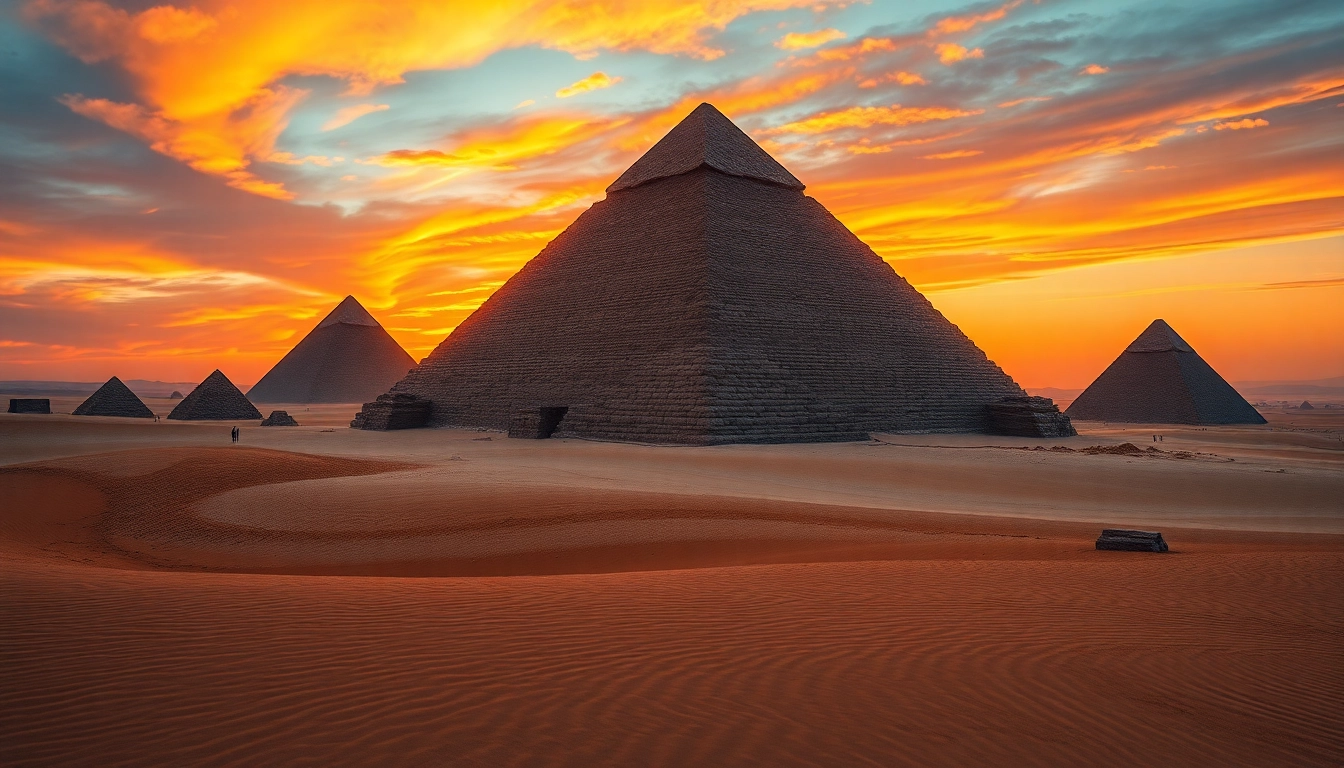
The Egyptian piraminds are renowned for their square base and sloping sides, crafted with exceptional precision. Common characteristics include a burial chamber deep within the structure and often a series of passageways leading to it. The pyramids at Giza exemplify this design, with intricate hieroglyphics and artworks adorning the interiors.
Moreover, the orientation of Egyptian pyramids aligns remarkably with celestial bodies, emphasizing their significance in astronomical observations and religious practices. This alignment reflects the belief that the pharaohs would ascend to the heavens and join the gods.
2. Nubian Piraminds: A Comparative Analysis
While Egyptian pyramids are the most well-known, the Nubian pyramids located in present-day Sudan offer fascinating contrasts. Nubian pyramids generally have a steeper angle compared to their Egyptian counterparts, and they vary in size and shape.
Nubian pyramids were constructed primarily as royal tombs for the kings and queens of the Kingdom of Kush and are noted for a unique style, often featuring smaller base dimensions. The rich decoration accompanying these burial sites provides insight into the Nubian culture, highlighting different architectural styles and religious customs compared to ancient Egypt.
3. Unique Characteristics of Mesoamerican Piraminds
Piraminds in Mesoamerica, such as those found at Teotihuacan and Chichen Itza, exhibit distinct characteristics that set them apart from their Egyptian counterparts. These piraminds often feature flat tops, making them an ideal platform for temples or shrines. The Pyramid of the Sun at Teotihuacan includes a vast complex of plazas and temples, indicative of its social and political significance.
The intricate carvings and monuments around these piraminds highlight the Mesoamerican civilizations' rich cultural narratives, including myths and historical events. These structures often served as focal points for ceremonies and community gatherings, reinforcing connections between the physical world and spiritual beliefs.
The Mysteries Surrounding the Construction of Piraminds
1. Theories on How Piraminds Were Built
The construction of piraminds has generated numerous theories over the years, yet many questions remain unanswered. Some scholars propose that a skilled workforce, comprising both laborers and artisans, was mobilized to undertake construction projects. Others suggest that the use of simple machines, such as levers and ramps, played a crucial role in moving heavy stones into place.
Interestingly, recent archaeological findings point to the employment of skilled laborers rather than slaves, suggesting a more complex social structure than previously believed. Understanding the workforce's role provides insights into the societal organization that facilitated these monumental projects.
2. Discovering Hidden Chambers in Piraminds
Recent advancements in technology have led to incredible discoveries within piraminds, revealing hidden chambers and passageways that were previously unknown. For example, in the Great Pyramid of Giza, researchers using muon tomography have identified voids and structural anomalies that suggest the presence of unseen passages.
Such discoveries encourage further exploration and allow experts to deepen their understanding of construction techniques and the cultural significance of these hidden areas. Every new finding can shed light on the rituals and beliefs surrounding death and the afterlife in these ancient civilizations.
3. Modern Technologies in Piramid Research
Modern technologies, including satellite imagery, ground-penetrating radar, and 3D modeling, enable researchers to study piraminds from new perspectives. These technologies aid in mapping, analyzing structural integrity, and identifying previously concealed features without causing damage.
For instance, drones equipped with high-resolution cameras can survey large areas, providing data that allows for intricate examinations of piramid structures and the landscapes around them. As technology evolves, our understanding of these ancient wonders expands significantly, unveiling more of their historical context and construction methods.
Piraminds in Art and Literature
1. Symbolism of Piraminds in Ancient Art
Piraminds extensively influenced ancient art, symbolizing spiritual ascension and divine connection. Various artworks depict piraminds, often representing the journey toward the afterlife or the connection with deities. Hieroglyphics found within Egyptian pyramids reveal narratives of creation, life after death, and the cosmos.
In Mesoamerican art, piraminds are often illustrated in murals, pottery, and stone carvings, emphasizing their sacred role within societal and spiritual contexts. Each depiction provides unique insights into the beliefs and values of these ancient civilizations, marking their significance within cultural narratives.
2. Reflections of Piraminds in Modern Literature
In contemporary literature, piraminds often symbolize mystery, ancient wisdom, or the quest for knowledge. Various novels and adventure stories use the intrigue surrounding piraminds as a backdrop for exploration and discovery, reflecting the world’s fascination with ancient civilizations and their enigmatic constructions.
The enduring allure of piraminds continues to inspire authors and adaptors in cinema, illustrating the universal themes of ambition, power, and the quest for immortality, thus embedding these majestic structures within modern culture.
3. The Legend of Piramid Explorations
Dreams of uncovering lost treasures and ancient secrets have led many explorers and archaeologists to piraminds over the centuries. From the famous expeditions of Howard Carter discovering King Tutankhamun's tomb to the more recent searches for hidden artifacts, the legends surrounding piramid explorations continue to inspire adventurers worldwide.
These narratives fuel the myths associated with piraminds, highlighting the intertwining of history, legend, and the human experience in the pursuit of knowledge and discovery.
Visiting Piraminds: Tips and Insights
1. Essential Travel Tips for Visiting Famous Piraminds
When planning to visit piraminds, preparation is key. Begin by researching the specific sites you wish to explore, as many locations offer guided tours that provide valuable historical context. Pack essentials such as sunscreen, water, and comfortable walking shoes to enhance your experience. Timing your visit can also matter—early morning or late afternoon visits often mean fewer crowds and more pleasant temperatures.
2. Must-See Piramid Sites Around the World
Some of the world’s most famous piramid sites include the Pyramids of Giza in Egypt, which are an absolute must-see. Other notable sites include the Pyramid of the Sun at Teotihuacan, the Nubian pyramids in Sudan, and Chichen Itza in Mexico, where you can experience the rich cultural legacies associated with these magnificent structures.
3. Safety Considerations When Exploring Piraminds
While exploring piraminds, prioritize safety by staying hydrated and being aware of your surroundings. Many sites offer security and guidelines to ensure visitor safety. Moreover, respect all cultural signs and regulations; it is crucial to preserve these historic sites for future generations.
Frequently Asked Questions about Piraminds
1. What are piraminds made of?
Piraminds are primarily made from stone, with Egyptian pyramids largely constructed from limestone, granite, and basalt.
2. How long did it take to build the Great Pyramid?
The Great Pyramid of Giza is estimated to have taken about 20 years to complete during Pharaoh Khufu's reign.
3. Are there pyramids outside of Egypt?
Yes, notable pyramids exist in different regions, including Nubia in Sudan and various sites in Mesoamerica, such as Mexico.
4. What is the significance of pyramid shapes?
The pyramid shape symbolizes a connection between the earth and the heavens, often representing ascension and the afterlife in many cultures.
5. Can you enter pyramids?
Visitors can access certain chambers in some pyramids, like the Great Pyramid; however, restrictions apply for preservation purposes.