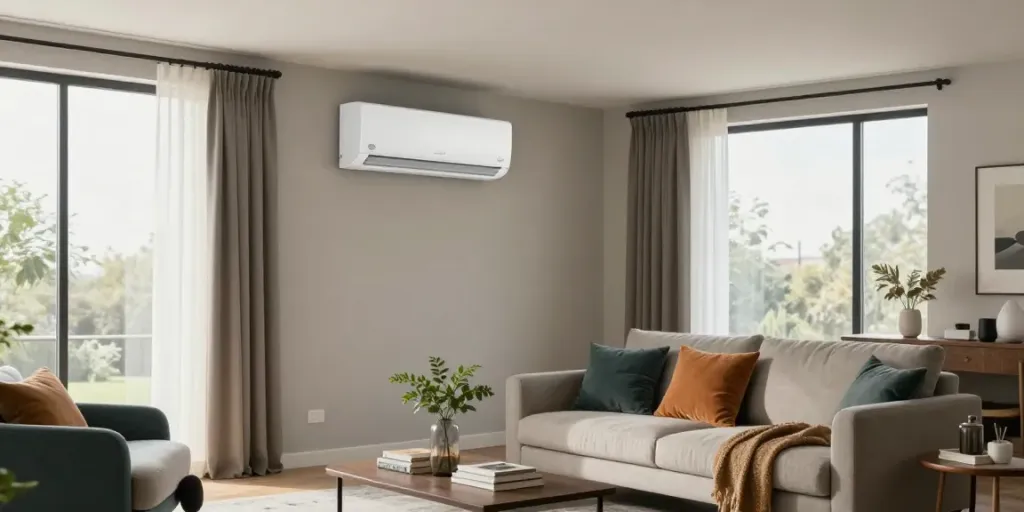
Understanding Mini Split Air Conditioners
Mini split air conditioners have surged in popularity due to their energy efficiency, versatility, and ease of installation. These systems offer a practical solution for homeowners looking to maintain comfortable indoor temperatures without the need for ductwork. When exploring options, mini split of air conditioner systems provide comprehensive insights into modern air conditioning solutions that cater to various needs and preferences.
What is a Mini Split of Air Conditioner?
A mini split air conditioner is a type of ductless heating and cooling system. It consists of two main components: an outdoor condenser unit and one or more indoor air handling units. Unlike traditional central air conditioning systems that rely on ductwork to distribute air, mini splits deliver conditioned air directly into the living space, which allows for more precise control over temperature and humidity in individual rooms or zones.
How Do Mini Split Systems Work?
Mini split systems operate on the principle of heat exchange. The outdoor unit contains a compressor that pumps refrigerant to the indoor units. In cooling mode, the system absorbs heat from the indoor air and expels it outside. Conversely, in heating mode, it draws heat from the outside air and transfers it indoors, even in cold temperatures. This process is not only efficient but also environmentally friendly, as many mini splits utilize R-410A refrigerant, a more eco-friendly option compared to older refrigerants.
Benefits of Using Mini Split Systems
- Energy Efficiency: Mini splits are known for their high energy efficiencies, often rated with SEER (Seasonal Energy Efficiency Ratio) ratings above 20. This can lead to significant savings on energy bills compared to traditional HVAC systems.
- Zone Control: With the ability to control temperatures in individual rooms, homeowners can customize their heating and cooling needs, providing comfort where it is needed most.
- Space Saving: Mini splits do not require bulky ductwork, making them an ideal choice for homes where installation space is limited.
- Quiet Operation: Many mini split systems are designed to operate quietly, ensuring that households can enjoy a peaceful environment while staying cool.
Comparing Mini Split Systems to Other Air Conditioning Options
Mini Split vs. Central Air Conditioning
When weighing options for home cooling, one of the most significant comparisons is between mini split systems and central air conditioning. Central HVAC systems require ductwork and typically have a higher upfront installation cost. In contrast, mini splits are easier to install, especially in older homes lacking ducts. Moreover, mini splits can reduce energy consumption by allowing homeowners to only cool the rooms in use.
Mini Split vs. Window Units
Window air conditioning units are often seen as the budget-friendly option for cooling single rooms. However, they can be noisy, obstruct windows, and are less efficient than mini splits. A mini split provides centralized control for multiple rooms and better temperature regulation, making it a more effective long-term investment.
Energy Efficiency Comparisons in 2026
In 2026, energy efficiency standards have further tightened, and mini split systems continue to meet and exceed these requirements. Homeowners can capitalize on the efficiency of mini splits, especially with available models boasting advanced inverter technology that adjusts the compressor speed to maintain the desired temperature without excessive energy use. This makes mini splits one of the best choices for eco-conscious consumers looking to reduce their carbon footprint.
Installation Factors for Mini Split Air Conditioners
Typical Installation Costs for 2026
As of 2026, the cost of installing a mini split system can range significantly based on various factors including the number of indoor units, the complexity of the installation, and the brand chosen. On average, homeowners should expect to pay between $3,000 to $5,000 for a complete system, which includes installation. It's essential to obtain multiple quotes to ensure fair pricing.
DIY vs. Professional Installation
While some homeowners may consider a DIY installation for mini split systems, professional installation is often recommended. Professionals can ensure that the system is installed according to local building codes and manufacturers’ specifications, which can significantly enhance performance and reliability. Additionally, ensuring proper refrigerant levels and electrical connections is crucial for optimal operation.
Space Requirements and Considerations
When installing a mini split system, it’s essential to assess the space available for both the indoor and outdoor units. The outdoor unit typically requires a flat, stable surface and clearance for airflow. Indoor units need to be mounted at an elevation that optimizes air circulation. Consideration must also be given to the location of existing electrical lines and drainage for condensate.
Maintenance and Troubleshooting of Mini Split Systems
Common Issues with Mini Split Air Conditioners
While mini split systems are generally reliable, homeowners may encounter issues such as inadequate cooling, unusual noises, or a frozen evaporator. Regular maintenance, including filter cleaning and ensuring that the outdoor unit is free of debris, can help mitigate these common problems.
Easy Maintenance Tips for Homeowners
- Clean Filters: Homeowners should check and clean or replace the air filters every month during peak usage seasons to maintain airflow and efficiency.
- Inspect Outdoor Units: Regularly inspect the outdoor unit for debris, plants, and dirt. Keeping the area clear enhances airflow and efficiency.
- Schedule Professional Maintenance: Annual check-ups by a qualified technician can help catch issues before they become significant problems.
When to Call a Professional for Repairs
If homeowners notice persistent issues such as abnormal noises, leaks, or inconsistent temperatures that basic troubleshooting does not resolve, it’s advisable to contact a professional HVAC technician. They can perform a thorough checkup and repair any underlying issues, ensuring that the system continues to operate effectively.
The Future of Mini Split Technology and Trends
Innovations in Mini Split Designs for 2026
As technology advances, mini split air conditioners are evolving with more compact designs, improved aesthetics, and higher performance capabilities. Manufacturers are focusing on enhancing energy efficiency and introducing new features that cater to modern user demands, such as improved insulation and reduced noise levels.
Smart Technology Integration in Mini Split Units
In 2026, many mini split systems incorporate smart technology that allows for remote control via smartphones and integration with home automation systems. This feature not only provides convenience but also enables users to monitor energy usage and adjust settings for optimal efficiency.
Predicted Market Trends and Consumer Preferences
The market for mini split air conditioners is expected to grow significantly in the coming years due to increased consumer awareness of energy efficiency and environmental impacts. As more homeowners prioritize sustainable living, the demand for mini splits with high SEER ratings and eco-friendly refrigerants will likely rise, further solidifying mini splits as a preferred choice in the HVAC industry.