The Importance of British Pond Plants for Aquatic Health
British pond plants are the backbone of healthy aquatic ecosystems, providing essential services that support both wildlife and water quality. These plants create a balanced environment that is vital for the survival of fish, amphibians, and various other creatures. When exploring options, British Pond Plants offer comprehensive insights into species that thrive in UK waters, ensuring that your pond remains not only beautiful but also functional.
Understanding the Role of British Pond Plants in Ecosystems
Pond plants play a multifaceted role in maintaining the ecosystems of garden ponds and natural water bodies. They offer habitat, food, and breeding grounds for diverse wildlife, making them crucial for biodiversity.
- Habitat Provision: Many aquatic species depend on plants for shelter from predators.
- Breeding Grounds: Plants give amphibians like frogs and newts safe areas to lay their eggs.
- Food Source: Various insects and aquatic animals rely on pond plants as a food source.
Benefits of Biodiversity: Why Variety Matters
A diverse array of plant species ensures a balanced ecosystem that can withstand environmental stressors. Different plants attract various types of wildlife, contributing to a vibrant aquatic life.
- Pollinator Attraction: Many flowering plants attract bees and butterflies.
- Improved Water Quality: Different plants absorb nutrients and contaminants, helping to purify water.
- Enhanced Aesthetics: A mix of plant types adds visual interest and seasonal colors to the pond.
How Pond Plants Contribute to Water Quality Management
Pond plants are critical in managing water quality by controlling nutrient levels and preventing algae blooms. Through their natural growth processes, they absorb excess phosphates and nitrates that otherwise fuel algae growth, creating clearer water and a healthier ecosystem.
Types of British Pond Plants to Consider
When selecting plants for your pond, it’s essential to understand the different categories of British pond plants and their unique benefits.
Oxygenating Plants: Key Players in Water Clarity
Oxygenating plants, such as Hornwort and Water Crowfoot, grow submerged in water and are essential for maintaining oxygen levels. They enhance water clarity by absorbing nutrients and providing shelter for small aquatic organisms.
Marginal Plants: Enhancing Aesthetic and Functionality
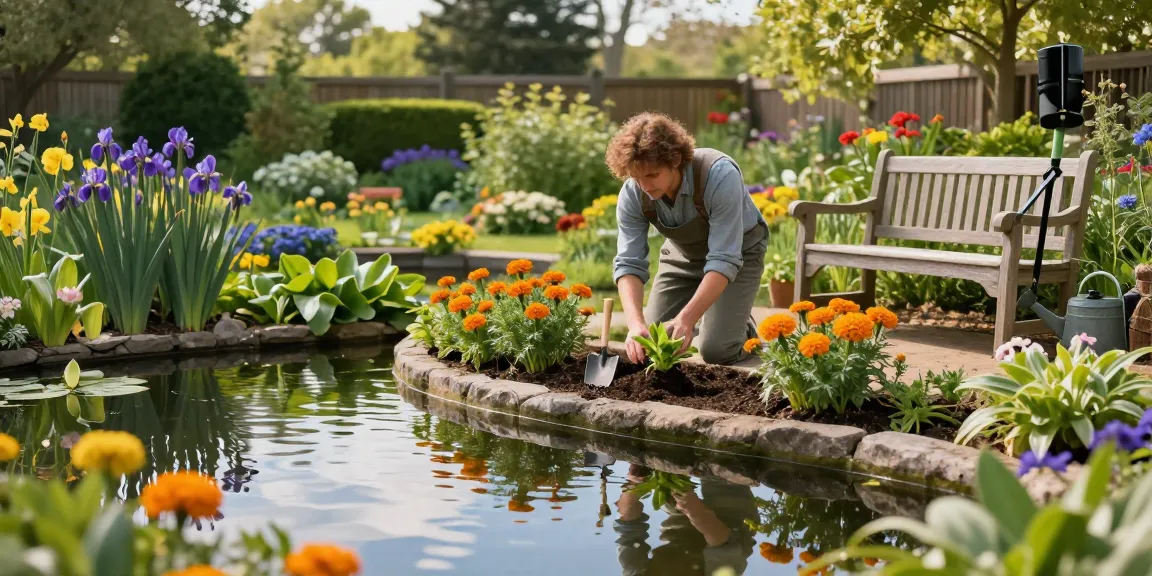
Marginal plants, like Water Mint and Marsh Marigold, thrive in shallow water at the pond's edges. These plants soften the transition between water and land, providing a natural frame for your pond while also preventing erosion.
Floating Plants: Natural Algae Control Mechanisms
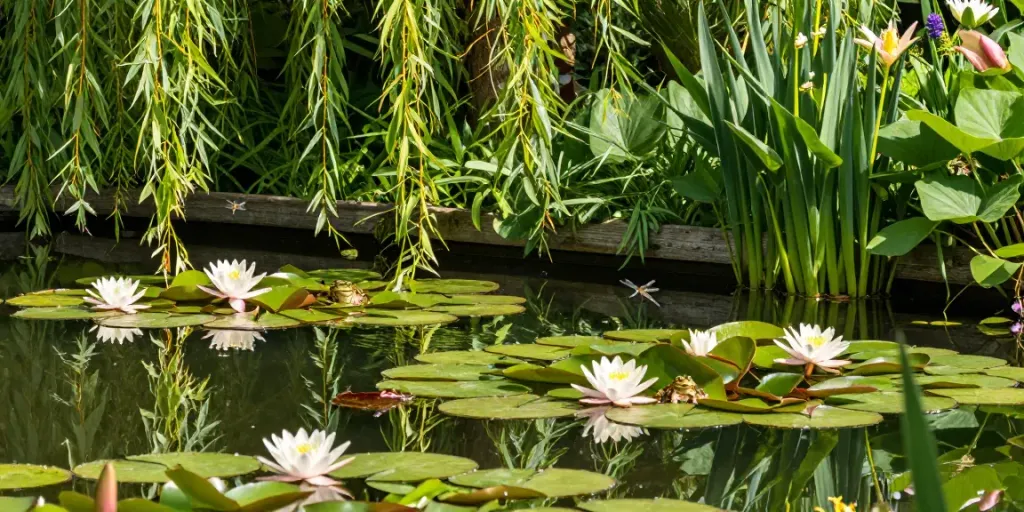
Floating plants, like Water Lettuce and Frogbit, play a crucial role in shading the pond surface. This reduces sunlight penetration, inhibiting algae growth while also offering refuge for fish and reducing water temperature.
Choosing the Right Plants for Your Pond
Selecting the right combination of plants is critical for the success of your pond. Consider the water depth, sunlight availability, and the specific needs of your pond’s ecosystem when making your choices.
Assessing Water Depth and Sunlight Availability
Different plants thrive at varying depths and levels of sunlight. Oxygenating plants should be planted deeper, while marginal plants prefer shallow depths. Knowing your pond's characteristics helps in selecting the right species.
Optimal Companions: Combining Different Plant Types
Combining different types of plants can enhance the ecology of your pond. A mix of oxygenators, marginals, and floating plants creates a balanced environment that supports a wide range of wildlife.
Considerations for Wildlife Partnerships
When selecting plants, consider their wildlife benefits. Certain species are specifically attractive to pollinators, while others offer shelter for fish and amphibians, enhancing your pond's biodiversity.
Best Practices for Planting and Maintenance
Proper planting and maintenance practices are essential for the health and longevity of your pond plants. Here are some key points to consider.
Ideal Planting Techniques for British Pond Plants
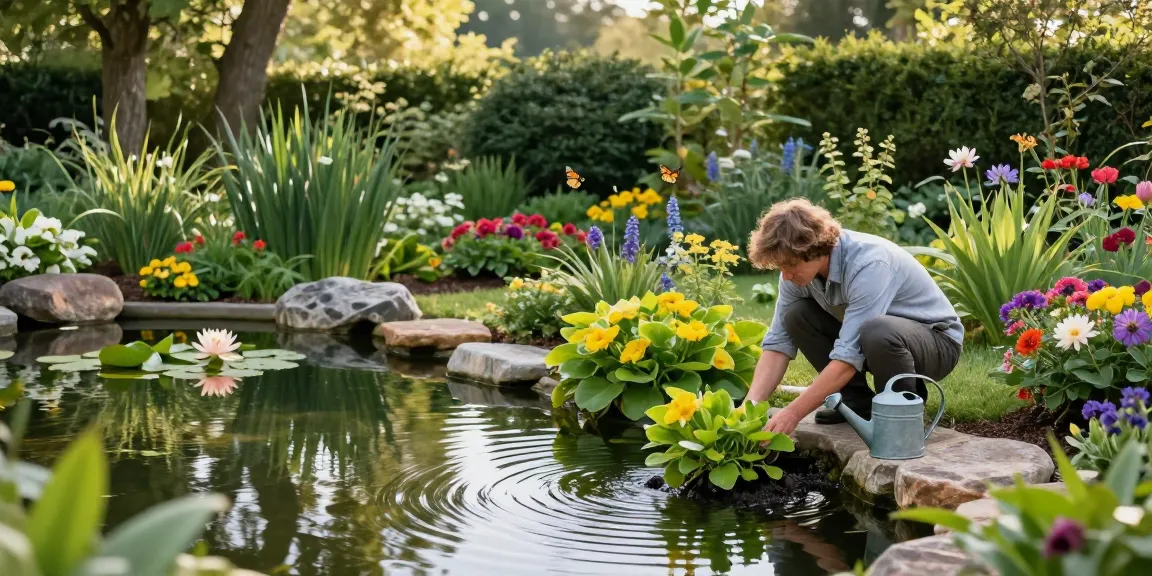
When planting, follow the recommended depth for each type of plant. Utilizing aquatic baskets helps manage growth while allowing for easy relocation if necessary.
- Plant in clusters: This attracts wildlife and provides a natural appearance.
- Use aquatic soil: This ensures stability and nutrient availability for the plants.
Seasonal Care: Managing Plant Health Throughout the Year
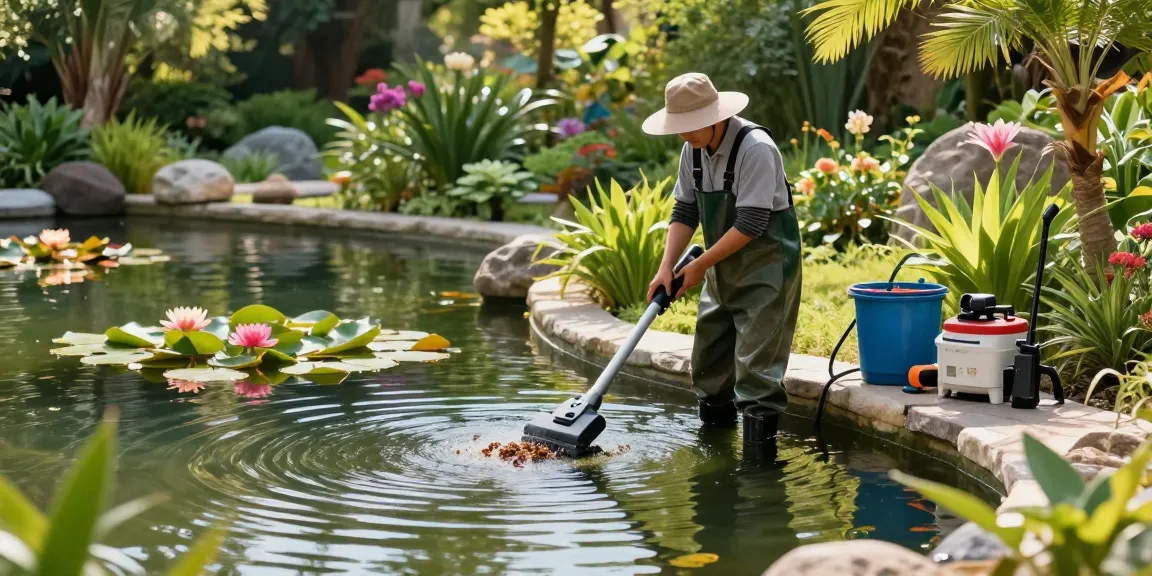
Pond plants require different care throughout the seasons. In spring, ensure that plants are not overcrowded, while in autumn, cut back any dead foliage to prevent decay buildup.
Dealing with Common Issues: Pests, Disease, and Overgrowth
Common problems include overgrowth and pest infestations. Regular checks are essential for early identification and treatment. Pruning can manage overgrowth while introducing beneficial insects can help deal with pests naturally.
Future Trends in Pond Planting for Climate Resilience
As climate change impacts ecosystems, the choice of pond plants will become increasingly important. Selecting resilient species will contribute to sustainable aquatic habitats.
Adaptation Strategies for British Pond Plants in 2026
Future planting should focus on native species that can withstand temperature fluctuations and varying water levels. These plants are better adapted to local conditions and thus more likely to thrive.
Embracing Native Species for Sustainable Ecosystems
Native species are essential for maintaining ecological balance. They provide the best habitat for local wildlife and are more resilient to pests and diseases.
Emerging Research and Expert Insights on Aquatic Habitats
Research continues to evolve around the benefits of diverse aquatic habitats. Studies highlight the role of native plants in water filtration and nutrient management, underlining their importance in pond ecosystems.
What are some popular pond plants in the UK?
Some popular choices include Water Lilies, Reed, and Duckweed. Each serves a specific ecological function, enhancing both the appearance and health of the pond.
What are some native pond plants in the UK?
Native pond plants such as Yellow Flag Iris and Water Forget-me-not are excellent for promoting biodiversity and ecological stability.
What are some popular plants for ponds?
Popular choices among pond enthusiasts often include submerged plants like Hornwort and floating plants like Water Hyacinth, known for their beauty and functional benefits.
What are some native pond weeds from Britain?
Common native pond weeds include Spiked Water-milfoil and Curly Leaf Pondweed, both important for aquatic ecosystems.
How do pond plants improve water quality?
Pond plants filter pollutants, absorb excess nutrients, and increase oxygen levels, all contributing to a healthier aquatic environment.