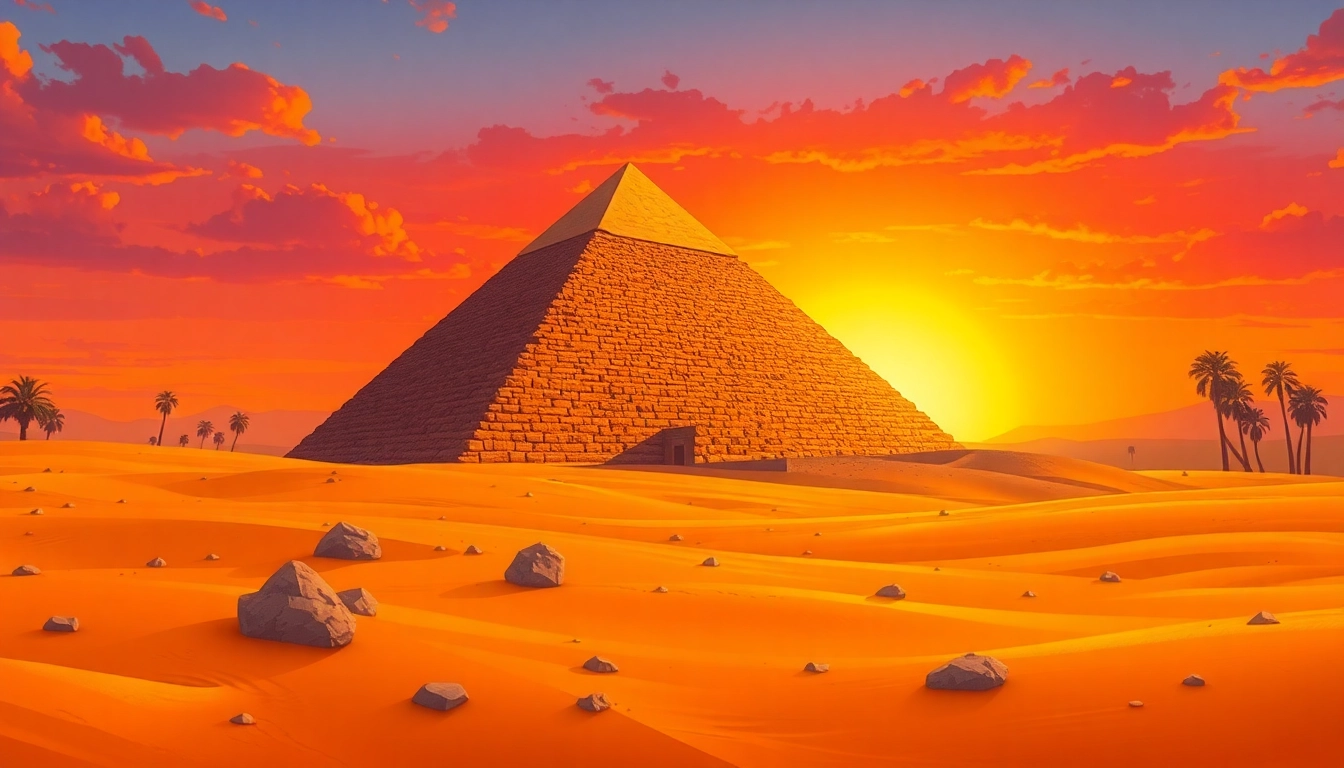
The Origins of Pyramids
Pyramids have fascinated humanity for centuries, serving as timeless symbols of ancient civil engineering and cultural significance. They are not merely architectural structures but grand tombs and a testament to the beliefs and practices of ancient civilizations. In this exploration of pyramids, we delve into their origins, construction methods, and the mysteries that continue to surround them. For more insights, you can visit https://piraminds.com/.
Ancient Civilizations and Their Structures
The concept of the pyramid can be traced back to several ancient civilizations, notably Egypt, where the iconic pyramids were constructed as part of elaborate funerary complexes. The earliest structures resembling pyramids were the ziggurats of Mesopotamia, built as terraced platforms for temples. However, it was the Egyptians who perfected the pyramid shape in their quest for eternal life.
The Step Pyramid of Djoser, designed by the architect Imhotep around 2630 BCE, is considered the first monumental stone building in history and set the foundation for the later smooth-sided pyramids. It marked a significant advancement in architectural design and construction techniques, embodying a transition from simple mastabas to grand structures.
The Architectural Marvel of the Great Pyramid
The Great Pyramid of Giza, built during the Fourth Dynasty for Pharaoh Khufu, remains the most famous example of Egyptian pyramids. Originally standing at 146.6 meters, it was the tallest man-made structure for over 3,800 years. Its construction involved the precision placement of over 2.3 million blocks of stone, each weighing between 2.5 and 15 tons. The pyramid’s alignment with the cardinal points and the use of the golden ratio in its design illustrate the advanced understanding of geometry possessed by ancient Egyptians.
Cultural Significance in Egyptian Society
Pyramids held substantial spiritual importance in ancient Egypt, serving as tombs for pharaohs, who were believed to ascend to the afterlife. The pyramid complex often included temples, smaller tombs, and altars, reinforcing the connection between the afterlife and the divine. These structures reflected the society’s religious beliefs, with elaborate rituals performed to ensure the deceased's journey into the afterlife.
The grandeur of pyramids was not only a means of honoring pharaohs but also a representation of their authority and power. As a result, they became focal points for worship and pilgrimage, symbolizing the enduring legacy of the Egyptian civilization.
Building Techniques and Construction
The construction of pyramids is one of the most remarkable achievements of ancient engineering. The methods employed have been subjects of speculation and research for centuries, leading to various theories about how these massive structures were completed.
Tools and Materials Used
The ancient Egyptians utilized a range of tools made from materials like copper and stone to shape and transport the massive stone blocks. Levering techniques were used to move stones into position. Required materials included limestone, granite, and basalt, sourced from quarries throughout Egypt. Mortar made of gypsum helped to bond stones, while wooden sledges transported them from the quarries to the construction sites. The precision in shaping and placing these stones reflects the high level of craftsmanship that existed at the time.
Workforce and Labor Organization
The construction of the pyramids was a massive undertaking, requiring a well-organized workforce. Contrary to popular myths of slave labor, archaeological evidence suggests that skilled workers and laborers were employed, often working in rotation. These workers likely came from nearby villages and were provided with food, shelter, and medical care—indicating a level of respect for their arduous labor. Estimates suggest that tens of thousands of workers were involved in building the Great Pyramid alone, utilizing innovative management techniques to ensure the project’s progression.
Common Theories and Latest Discoveries
Various theories abound regarding the methods of construction, including the use of ramps, levers, and even counterweights to lift the massive stones. The most widely accepted theory involves straight or zig-zagging ramps that allowed workers to transport stones to higher levels as the pyramid rose. Recent discoveries through technologies like ground-penetrating radar and laser scanning have unveiled complex internal structures and even hidden chambers within the pyramids, providing new insights into their construction.
Exploring the Giza Plateau
The Giza Plateau is home to the most famous pyramids and monuments of ancient Egypt, attracting millions of visitors every year. This area not only presents iconic architectural wonders but is steeped in history and cultural significance.
The Pyramids of Giza: A Closer Look
The Giza Plateau features three main pyramids, known as the Great Pyramid of Giza, the Pyramid of Khafre, and the Pyramid of Menkaure. While the Great Pyramid is the largest and the most celebrated, Khafre’s pyramid, although slightly smaller, appears larger due to its elevated location. The Sphinx, a mythical creature with a lion's body and a human head, stands guard over these monumental structures, symbolizing strength and wisdom.
The Great Sphinx and Its Mysteries
The Great Sphinx of Giza, one of the largest monolithic sculptures in the world, is a subject of intrigue. Its origin remains uncertain, but it is believed to have been built during the reign of Pharaoh Khafre. Its deteriorated condition has raised questions about its preservation, prompting ongoing conservation efforts. The Sphinx has also inspired various theories regarding its purpose and significance in Egyptian mythology, solidifying its place in the cultural and historical narrative of Egypt.
Visitor Experience and Educational Resources
Visiting the Giza Plateau offers an unparalleled experience, with structured pathways that guide tourists through the site. Guided tours provide educational insights into the history and significance of the pyramids, while museums display artifacts discovered in the area. With increasing interest in ancient cultures, virtual tours and digital resources are also available, allowing individuals around the globe to explore the grandeur of the pyramids from the comfort of their homes.
Legends and Myths Surrounding Pyramids
Pyramids are steeped in legends and myths that have evolved over thousands of years. These stories often blur the lines between history and folklore, adding layers of intrigue to these remarkable structures.
Common Myths in Popular Culture
Many myths concerning pyramids persist in popular culture, including notions that they were built by extraterrestrial beings or that they served as beacons of alien communication. Such tales, while captivating, often overshadow the actual cultural and historical significance of these monuments, diverting focus from the ambitious achievements of ancient Egyptians.
Legends of Hidden Treasure
Numerous legends speak of treasures hidden within pyramids, said to guard the wealth of pharaohs against tomb robbers. Treasure hunters and adventurers have long sought these riches, often inspiring stories of quests and discoveries. While many tombs have been looted, some artifacts have been recovered, adding to the mystique of the pyramids as treasure troves of ancient Egyptian culture.
Modern Interpretations and Speculations
Contemporary interpretations of pyramids often involve theories about their geometric significance and astronomical alignments. Researchers have explored the relationship between pyramids and celestial bodies, considering their roles as observatories or calendars. These modern theories indicate the advanced understanding of architecture and the cosmos that ancient Egyptians possessed, deepening our appreciation for these historical structures.
Conservation Efforts and Future Directions
As UNESCO World Heritage Sites, the pyramids face ongoing challenges related to preservation and conservation. Efforts to maintain these historical monuments continue to evolve, influenced by technological advancements and a growing understanding of cultural significance.
Challenges Facing Historical Preservation
Environmental factors, including air pollution and tourism, pose significant threats to the structural integrity of the pyramids. Erosion has also contributed to their deterioration. Continuous monitoring and research are required to safeguard these icons for future generations, necessitating collaboration among governments, archaeologists, and conservationists.
Innovations in Conservation Technology
Advancements in technology, such as 3D scanning and restoration techniques, enable more informed conservation practices. These technologies facilitate detailed analysis of the current condition of the pyramids, allowing specialists to devise effective strategies for maintenance and restoration while minimizing the impact on the site. Innovative approaches ensure the history and legacy of the pyramids endure, inspiring future generations to learn about and appreciate these wonders.
The Role of Tourism and Education
Tourism plays a crucial role in funding conservation efforts, but it also necessitates the implementation of sustainable practices. Educational programs aimed at raising awareness of the significance of pyramids ensure that visitors appreciate the cultural heritage they represent while promoting responsible tourism. Scholars and enthusiasts alike advocate for a balance between exploration and preservation, recognizing that these monuments are not only attractions but irreplaceable pieces of human history.
FAQs About Pyramids
1. What is the purpose of pyramids in ancient Egypt?
Pyramids served as tombs for pharaohs, built to ensure their safe passage to the afterlife and protect their bodies and possessions.
2. How were the pyramids built?
Pyramids were constructed using large blocks of stone, often transported using sledges and ramps, employing a skilled workforce organized efficiently.
3. What materials were used in pyramid construction?
Common materials included limestone, granite, and basalt, which were quarried and shaped using tools made of copper and stone.
4. Why is the Great Pyramid of Giza significant?
The Great Pyramid is the largest pyramid in Egypt, showcasing advanced engineering, aligning with cardinal points, and serving as a testament to ancient Egyptian civilization.
5. What conservation efforts are in place for the pyramids?
Conservation efforts involve monitoring the condition of the pyramids, implementing restoration techniques, and engaging in sustainable tourism practices to protect these heritage sites.