Mastering the Art of Sports Broadcasting: Strategies for Success
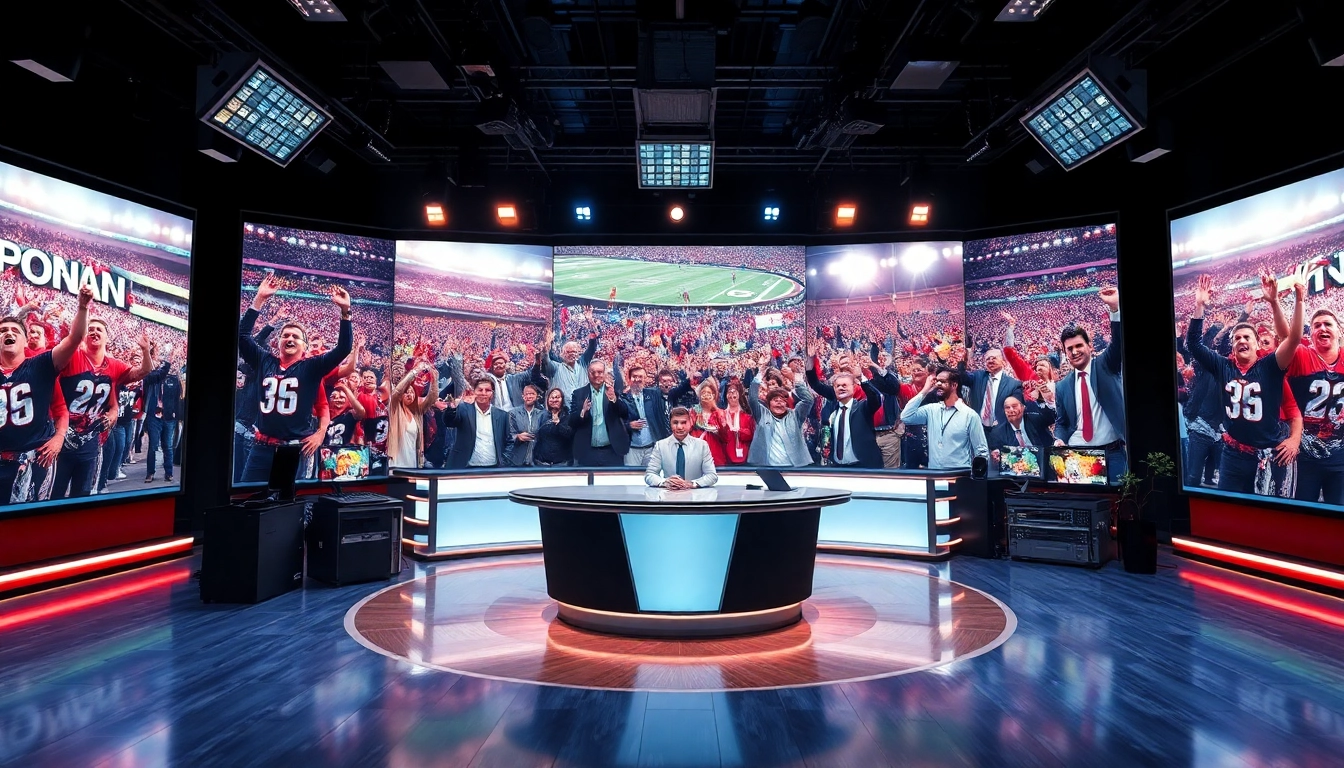
Understanding the Basics of Sports Broadcasting
The Evolution of Sports Broadcasting
Sports broadcasting has undergone significant transformation since its inception. The earliest broadcasts began in the 1920s primarily through radio, where sports enthusiasts relied on dramatic narratives to follow their favorite teams. The introduction of television in the 1950s marked a revolutionary moment, providing audiences with visual experiences that made sports more engaging.
As technology advanced, so did sports broadcasting. The late 20th century introduced cable television, expanding the reach with dedicated sports channels. Today, streaming services and high-definition platforms offer unprecedented access, allowing fans to watch content anytime, anywhere, ushering in a new era of Sports Broadcasting that combines on-demand viewing with interactive features.
The Role of Technology in Sports Broadcasting
Technology plays a pivotal role in shaping the landscape of sports broadcasting. Innovations such as digital graphics, advanced camera systems, and high-definition broadcasting enhance the viewer’s experience. For instance, augmented reality (AR) is now increasingly used to provide real-time statistics during live games, making the experience more immersive.
Additionally, cloud computing and data analytics allow broadcasters to analyze viewer preferences, tailoring content to specific audiences. Drones and robotic cameras capture unique angles and perspectives, ensuring that the audience remains engaged. As technology continues to evolve, so does the potential for transforming how sports are consumed.
Key Skills for Aspiring Sports Broadcasters
Entering the field of sports broadcasting requires a blend of specialized knowledge, technical skills, and personal attributes. First and foremost, aspiring broadcasters should cultivate a profound understanding of sports, including rules, history, and current events. This foundation enables them to provide insightful commentary and analyses.
Moreover, strong communication skills are essential. Broadcasters must articulate thoughts clearly and engagingly, whether on-air or during live reports. Technical skills related to audio-visual equipment, video editing, and production software are also crucial. Finally, developing adaptability and resilience in a fast-paced environment is vital, as the world of sports is dynamic and unpredictable.
Building Your Sports Broadcasting Career
Navigating Education and Training Options
Education plays a vital role in launching a successful career in sports broadcasting. Numerous universities offer degree programs in journalism, communications, or sports management tailored to today’s media landscape. These programs often provide students with practical experiences through internships and hands-on projects.
Online courses and certification programs can also be beneficial, particularly those covering the essentials of broadcasting, media ethics, and digital storytelling. Participation in workshops and conferences allows aspiring broadcasters to stay up-to-date with industry trends and technology.
Developing a Strong Personal Brand
In the competitive field of sports broadcasting, a personal brand distinguishes an individual from the crowd. It reflects unique perspectives and styles that resonate with audiences. Aspiring broadcasters should identify their niche, whether it’s a specific sport, analysis style, or delivery method.
Leveraging social media platforms to showcase expertise, engage fans, and share insights can significantly enhance visibility. Creating a professional portfolio that includes samples of commentary, articles, and other relevant work is also essential. By being authentic and consistent, individuals can develop a compelling personal brand that attracts opportunities.
Networking and Finding Opportunities in Sports Broadcasting
Networking is critical in establishing a career in sports broadcasting. Building relationships with professionals in the industry can lead to mentorship opportunities and job leads. Joining professional organizations related to sports and broadcasting, attending industry events, and engaging in online forums can facilitate valuable connections.
Internships can serve as gateways to full-time positions. They not only provide practical experience but also allow individuals to showcase their skills in real-world settings. Moreover, volunteering to cover local sporting events can provide exposure, creating a portfolio that can impress potential employers.
Content Creation in Sports Broadcasting
Crafting Compelling Sports Commentary
Compelling sports commentary requires more than just knowledge of the game; it demands creativity and the ability to engage an audience. A successful commentator should provide context, integrate storytelling, and keep the tone appropriate to the sport being covered.
Using descriptive language helps to paint vivid pictures for the audience, capturing the excitement of the moment. It’s equally critical to balance enthusiasm with objectivity, ensuring fair and unbiased reporting. Practicing commentary on various sports can enhance versatility and prepare broadcasters for different scenarios.
Utilizing Social Media for Broader Reach
Social media has become an indispensable tool for sports broadcasters, enabling them to reach wider audiences and foster deeper relationships with fans. Platforms such as Twitter, Facebook, and Instagram allow for real-time interactions during games, generating discussions and enhancing audience engagement.
Creating shareable content, such as highlight reels and behind-the-scenes footage, can expand reach and build a loyal following. Engaging audiences through polls, Q&A sessions, and live streams are effective strategies for nurturing a community interested in specific sports or events.
Engaging with Audiences Through Innovative Formats
Innovative formats in content creation can captivate and maintain audience attention. Techniques such as podcasts, live chats, and video breakdowns provide diversions from traditional commentary, offering fresh perspectives. These formats allow broadcasters to delve deeper into topics, such as tactical analysis and player interviews.
Additionally, interactive content, such as quizzes and contests, invites participation, making the viewing experience more immersive. Tailoring content to specific platforms is key to maximizing engagement and attracting diverse audiences.
Challenges and Solutions in Sports Broadcasting
Managing Time and Resources Effectively
Time management is crucial in sports broadcasting, where deadlines are often tight, and schedules are unpredictable. Broadcasters must be adept at prioritizing tasks and allocating resources efficiently to ensure quality content.
Utilizing project management tools can help streamline workflow and track progress. Setting clear goals and milestones allows broadcasters to focus on essential tasks first, ensuring that all elements, from research to production, can meet broadcasting deadlines without sacrificing quality.
Overcoming Criticism and Maintaining Authenticity
Criticism is an inevitable part of the sports industry, and learning to navigate it constructively is essential. Broadcasters should view feedback as an opportunity for growth rather than a setback. Engaging with constructive criticism and addressing it can foster improvement.
Maintaining authenticity through honest opinions and personal experiences resonates with audiences. Acknowledging mistakes and learning from them enhances credibility and trust, allowing broadcasters to build stronger connections with their viewers.
Addressing Miscommunication in Live Broadcasting
Live broadcasting can be prone to miscommunication—errors that can lead to confusion or misinterpretation of events. Preparation is key to minimizing these issues, which includes thorough research and understanding the context of the games.
Implementing backup plans for potential disruptions, such as equipment failures or unexpected incidents, can also mitigate risks. Ensuring that off-camera teams are fully coordinated can help address live commentary challenges, allowing broadcasters to provide accurate information consistently.
Measuring Success in Sports Broadcasting
Key Performance Indicators for Broadcasters
Measuring success in sports broadcasting extends beyond viewership numbers. Key Performance Indicators (KPIs) such as engagement rates, audience retention, and social media interactions provide insights into a broadcaster’s effectiveness in reaching and resonating with the audience.
Understanding which formats and styles garner the most attention can inform future content strategies. Regularly analyzing these metrics can aid broadcasters in making data-driven decisions to improve their content, optimize their delivery, and enhance audience interactions.
Feedback and Continuous Improvement
Feedback is vital for personal and professional growth in sports broadcasting. Actively seeking input from mentors, peers, and audiences allows broadcasters to identify strengths and areas for improvement. Establishing a routine for self-assessment can encourage continual growth.
Engaging in professional development through workshops and training opportunities fosters skill refinement and introduces fresh ideas. Staying adaptable to change and open to experimentation can lead to innovative practices that keep viewers engaged.
Understanding Audience Analytics
With the rise of digital platforms, understanding audience analytics has become critical in tailoring content to viewer preferences. Broadcasters should leverage analytical tools to track engagement metrics, demographic insights, and viewing habits, allowing them to create more targeted programming.
These insights can inform decisions on when to air specific content, what types resonate most with different audiences, and how to engage viewers effectively. Utilizing analytics not only helps enhance content strategy but also ensures broadcasters remain relevant in a rapidly changing landscape.
Frequently Asked Questions
What education do I need to become a sports broadcaster?
A degree in journalism, communications, or sports management is beneficial. Additionally, hands-on experience through internships can be invaluable.
How can I improve my sports commentary skills?
Practicing commentary, studying professional broadcasters, and seeking feedback can enhance your skills. Engaging in public speaking also helps build confidence.
Is networking important in sports broadcasting?
Yes, networking is crucial for career advancement. It helps build relationships that can lead to job opportunities and mentorship.
What role do social media play in sports broadcasting?
Social media enhances audience engagement, allows broadcasters to share insights, and expands their reach significantly beyond traditional platforms.
How can I tailor content to specific audiences?
Understanding audience demographics and preferences through analytics can guide you in creating targeted content that resonates and engages effectively.