Understanding SHASHEL® Technology
If you're dealing with wood-boring insects in your home or workspace, the SHASHEL® technology offers a revolutionary approach to pest control. Utilizing microwave technology, SHASHEL® provides a quick and efficient solution for eliminating woodworms and other pests without the use of harmful chemicals. In just a matter of minutes, you can destroy beetles, larvae, and eggs, ensuring your wooden structures remain intact and safe. This article dives deep into the workings, benefits, and best practices associated with using SHASHEL® technology for wood preservation.
What is SHASHEL® and How Does It Work?
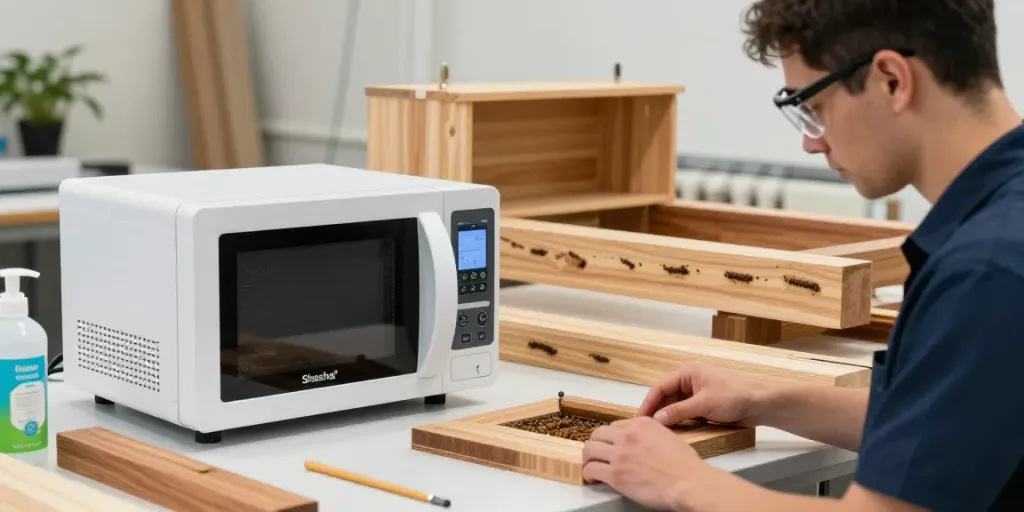
SHASHEL® is a patented system that employs microwave energy to target and eliminate wood-boring insects. The process works by raising the temperature of the infested wood to lethal levels, effectively killing the insects within without causing damage to the wood itself. This unique technique is not only effective but also eco-friendly, providing peace of mind for homeowners and professionals alike. By concentrating heat at a wavelength that penetrates deeply into the wood, SHASHEL® ensures thorough treatment of infestations.
Benefits of Chemical-Free Woodworm Treatment with SHASHEL®
Choosing a chemical-free approach to pest control comes with numerous benefits. Firstly, it protects your environment from harmful substances that could affect your health or the structural integrity of your home. SHASHEL® equipment offers:
- Rapid Elimination: Infestations can be resolved in minutes, saving time and resources.
- Safe for All Wood Types: SHASHEL® technology works on various wooden materials, ensuring no harm is done to metal or other surfaces.
- Quality Execution: The precise operation of microwave technology guarantees a delicate treatment ensuring wood quality is maintained.
- Ease of Use: The equipment is designed for simple operation, making it accessible for everyday users.
For those looking to explore the advantages of SHASHEL® further, a detailed look at its specifications and applications can be found on its official site, SHASHEL®.
Comparative Analysis of SHASHEL® with Traditional Methods
Traditional pest control methods often involve chemical treatments that may not only pose risks to health but also require prolonged treatment times. In contrast, SHASHEL® offers a chemical-free alternative that efficiently penetrates wood to eradicate pests. Here’s how the two approaches stack up:
- Time Efficiency: SHASHEL® works in minutes compared to hours or days for traditional methods.
- Environmental Impact: SHASHEL® respects eco-sustainability, while many chemicals can have a lasting impact on the ecosystem.
- Residual Effects: Unlike chemical treatments that leave residues, SHASHEL® is clean and safe, with no harmful aftermath on the wood.
Effective Use of SHASHEL® Equipment
To fully leverage the capabilities of SHASHEL® technology, understanding how to operate the equipment effectively is essential. Users can maximize the benefits and minimize risks by adhering to proper procedures.
Step-by-Step Guide on Operating SHASHEL® Microwave Systems
Operating the SHASHEL® system is straightforward and involves several key steps:
- Prepare the Area: Ensure that the space is conducive for treatment, removing any items that may interfere.
- Inspect the Wood: Identify the areas of infestation carefully.
- Set Up the Equipment: Position the microwave unit correctly, following the manufacturer's guidelines.
- Monitor the Process: Keep an eye on the treatment time to ensure complete elimination of pests.
- Conduct Follow-Up Checks: After treatment, inspect the areas to confirm pest eradication.
Safety Precautions During Treatment
Safety is paramount when using SHASHEL® equipment. Here are some key precautions to follow:
- Wear protective gear, including gloves and goggles, to safeguard against potential hazards.
- Ensure the working environment is clear of flammable materials to prevent accidents.
- Follow precise operational guidelines to minimize risks and ensure effective pest control.
Common Mistakes to Avoid When Using SHASHEL®
Even with user-friendly equipment, mistakes can hinder the effectiveness of treatment. Here are common pitfalls to avoid:
- Skipping the inspection process can lead to ineffective treatment of hidden infestations.
- Incorrect setup or positioning of the microwave may result in uneven treatment.
- Failing to monitor treatment times can lead to incomplete pest elimination.
Identifying Wood-Boring Infestations
Before you can effectively use SHASHEL®, it’s crucial to identify the presence of wood-boring insects in your environment. Understanding the signs of infestation can save you time and money.
Signs of Woodworm Presence in Your Home
Common indicators of wood-boring insects include:
- Pin Holes: Small holes in wooden surfaces, often 1-2 mm in diameter.
- Frass: This powdery residue, similar to sawdust, is left behind by active larvae.
- Weak or Brittle Wood: A decrease in structural integrity is often noticeable.
How to Assess Damage Before Treatment with SHASHEL®
Assessing damage accurately helps determine the extent of the infestation and the necessary treatment. Consider the following:
- Inspect for visible signs of pest activity.
- Check for the depth of damage in wood structures.
- Consult professionals if the infestation appears extensive.
Common Species of Wood-Boring Insects Targeted by SHASHEL®
SHASHEL® effectively targets several types of wood-boring insects, including but not limited to:
- Woodworms: The larvae of various beetles that feed on wood.
- Powderpost Beetles: Known for leaving fine frass and causing significant damage.
- Bark Beetles: Often infest trees and weakened wooden structures.
Best Practices for Long-Term Wood Protection
After treating for infestations, it’s vital to implement best practices to protect your wood in the long term. Here are helpful strategies:
Post-Treatment Care and Maintenance
After utilizing SHASHEL® treatment, ensure to:
- Regularly inspect treated wood for any signs of reinfestation.
- Maintain a dry environment as moisture attracts pests.
- Apply sealants to enhance wood protection.
Choosing the Right Wood for Construction and Furniture
Choosing appropriate materials can minimize the risk of pest infestations. Consider the following wooden types:
- Cedar: Naturally resistant to pests.
- Teak: Known for its durability and resistance.
- Redwood: Offers natural preservatives that deter infestation.
Integrating SHASHEL® into Your Home Care Routine
Regular use of SHASHEL® can be part of a comprehensive home maintenance strategy. Schedule periodic treatments to prevent infestations proactively, ensuring the longevity of your wood.
Future Trends in Pest Control and SHASHEL®'s Role
As we approach 2026, trends in pest control are moving towards more sustainable and efficient methods. SHASHEL® is at the forefront of this innovation.
Innovations in Microwave Technology for Pest Elimination
The advancement of microwave technology continues to evolve, with potential improvements in efficiency and effectiveness. Future iterations of SHASHEL® equipment may introduce:
- Enhanced penetration capabilities for deeper wood treatments.
- Smart technology integration for real-time monitoring and reporting.
Predictions for the Pest Control Industry by 2026
The pest control industry is expected to embrace more eco-friendly solutions, moving away from traditional chemicals. Sustainability will be a key focus, with innovations like SHASHEL® shaping the market's future.
How SHASHEL® is Revolutionizing Wood Treatment Solutions
SHASHEL® stands out as a pioneer in wood treatment solutions, combining efficiency with sustainability. As consumers become more aware of environmental impacts, SHASHEL® provides a much-needed alternative that meets modern demands.
What are the Optimal Scenarios for Using SHASHEL®?
Using SHASHEL® is ideal in various situations, including:
- Restoration of antique furniture.
- Protection during construction projects.
- Maintaining wooden structures in at-risk environments.
How to Evaluate the Effectiveness of SHASHEL® Treatments?
Post-treatment assessments should include:
- Visual inspections for signs of new pest activity.
- Tests for wood integrity and strength.
- Monitoring environmental conditions that could lead to reinfestation.