The Fundamentals of Dismantling: An Overview
Dismantling is an intricate process involving the careful disassembly of structures and systems, often requiring a combination of skill, precision, and safety awareness. In today's fast-paced world, the significance of dismantling extends beyond mere demolition; it involves a thoughtful approach to preserving resources, minimizing waste, and ensuring environmental sustainability. Whether it is an old industrial site, a historical building, or a modern office structure, understanding the principles of dismantling can lead to safer and more efficient projects. When exploring options, dismantle practices provide comprehensive insights into modern techniques and innovations.
What is Dismantling and Its Importance?
Dismantling refers to the systematic breaking down of a structure into manageable parts. Unlike demolition, which often employs brute force, dismantling emphasizes careful analysis, planning, and methodical execution. The importance of dismantling lies in its emphasis on sustainability; it allows for the recovery and recycling of materials, which is increasingly critical in our environmentally conscious society.
Key Equipment Used in Dismantling Projects
Effective dismantling requires specific tools and equipment, each designed for different tasks. Some of the most commonly used equipment includes:
- Excavators: Equipped with various attachments like claws or shears to safely remove material.
- Cutting Tools: Saws, torches, and other cutting equipment facilitate precise dismantling.
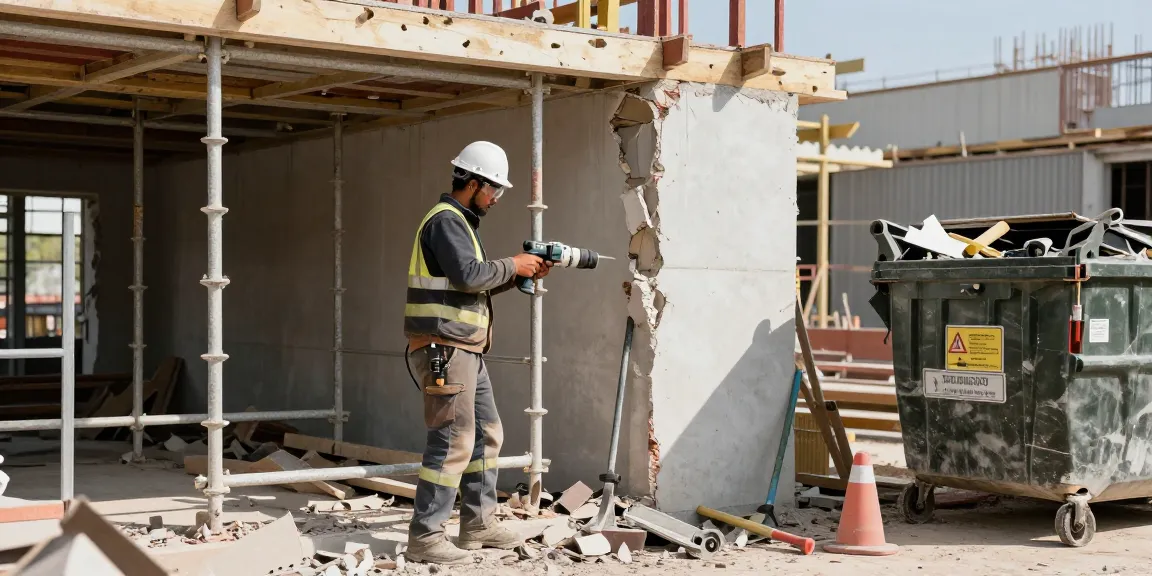
- Scaffolding: Essential for safely accessing elevated areas during the dismantling process.
- Crushing and Recycling Equipment: Used for breaking down materials for transport or reuse.
Safety Protocols for Efficient Dismantling
Safety should always be the top priority during dismantling projects. Implementation of comprehensive safety protocols, including the following, is essential:
- Personal Protective Equipment (PPE): Hard hats, gloves, goggles, and high-visibility vests should be worn at all times.
- Site Assessments: Conduct regular assessments to identify potential hazards and plan accordingly.
- Emergency Response Plans: Develop and communicate clear procedures for emergencies.
Common Challenges in Dismantling Projects
Dismantling projects can often be fraught with challenges that may complicate the process if not addressed proactively. Understanding these challenges and developing strategies to handle them is crucial for success.
Identifying Structural Hazards Before Dismantling
One of the most pressing challenges in dismantling is identifying potential structural hazards, such as asbestos or unstable support systems. Prior to beginning any work, comprehensive inspections must be conducted to ensure the safety of all personnel involved.
Dealing with Unexpected Materials During Dismantling
During dismantling, teams may encounter unforeseen materials that can complicate the operation. Materials such as hidden rebar, hazardous chemicals, or unexpected structural elements can disrupt progress. Having a contingency plan in place can mitigate risks and keep projects on track.
Best Practices for Minimizing Environmental Impact
As environmental concerns continue to rise, adopting best practices for minimizing ecological footprints has become imperative. Efficient waste sorting, material reuse, and eco-friendly disposal methods are essential components of a sustainable dismantling project.
Step-by-Step Guide to Effective Dismantling
Implementing a structured approach to dismantling not only enhances safety but also improves efficiency. Here is a step-by-step guide to effective dismantling:
Planning and Strategy for Dismantling a Structure
Initial planning should involve detailed assessments and the development of a strategy that outlines the project scope, timelines, and resource allocation. Stakeholder communication is vital throughout the planning phase.
Executing Dismantling Procedures with Precision
During execution, adherence to the established procedures, continuous monitoring of progress, and adherence to safety protocols are crucial. Proper sequencing of tasks can reduce hazards and enhance efficiency.
Post-Dismantling Assessment and Cleanup Techniques
Once dismantling is complete, a thorough assessment of the site is essential. This includes evaluating the integrity of remaining structures, ensuring all hazardous materials have been safely removed, and preparing for the next phase of development or restoration.
Technology and Innovation in Dismantling
As the industry evolves, new technologies emerge that enhance the dismantling process, contributing to safety and efficiency. Here are some significant advancements:
Emerging Tools and Equipment for Dismantling in 2026
By 2026, several innovative tools are expected to revolutionize the dismantling industry, including:
- Advanced Robotics: Robots will be increasingly used for hazardous tasks, reducing risks to human workers.
- Drone Technology: Drones can be used for site assessments and monitoring, improving safety and accuracy.
- 3D Modeling Software: Enhanced modeling tools will aid in planning and visualizing dismantling processes.
How Robotics are Transforming the Dismantling Industry
Robotic systems are gradually taking on roles traditionally held by manual laborers. They can execute tasks in dangerous environments, increasing overall safety and precision, particularly in hazardous material handling.
Future Trends in Sustainable Dismantling Practices
Looking forward, the industry is likely to see a shift towards more sustainable practices. Companies will adopt circular economy principles, focusing on material recovery and recycling, which will support both environmental goals and economic viability.
Real-World Examples of Successful Dismantling Projects
Analyzing successful dismantling projects can provide invaluable lessons and insights for future endeavors. Here are several noteworthy case studies:
Case Studies of Historic Building Dismantling
Many historic buildings have undergone dismantling rather than demolition, allowing materials to be salvaged and reused in new constructions. For instance, the dismantling of the famous Smith Tower resulted in a wealth of reclaimed wood and architectural elements.
Lessons Learned from Commercial Dismantling Projects
Commercial dismantling projects, such as factories being transitioned into mixed-use developments, highlight the importance of thorough planning and stakeholder management to ensure a smooth process.
Community Impact and Engagement in Dismantling Projects
Engaging with the community can improve dismantling outcomes, as seen in projects that incorporated local input into the planning process, resulting in enhanced public support and smoother execution.
What are the key factors for successful dismantling?
Key factors include effective planning, safety protocols, community engagement, and sustainable practices. Prioritizing these elements ensures a successful dismantling experience.
How can technology improve the dismantling process?
Technology can enhance efficiency, safety, and environmental responsibility in dismantling through advanced tools, data analytics, and real-time monitoring systems.
What safety measures should be prioritized during dismantling?
Prioritizing PPE, site assessments, and emergency preparedness can significantly reduce risks associated with dismantling projects.
What are the benefits of sustainable dismantling practices?
Sustainable practices lead to reduced environmental impact, conservation of resources, and potential cost savings through recycling and reuse of materials.
How to effectively train workers for dismantling tasks?
Training programs should emphasize safety, proper use of equipment, and the importance of following established procedures. Regular drills and assessments can further ensure preparedness.