Mastering the Double Girder Bridge Crane: 5 Essential Insights for 2025
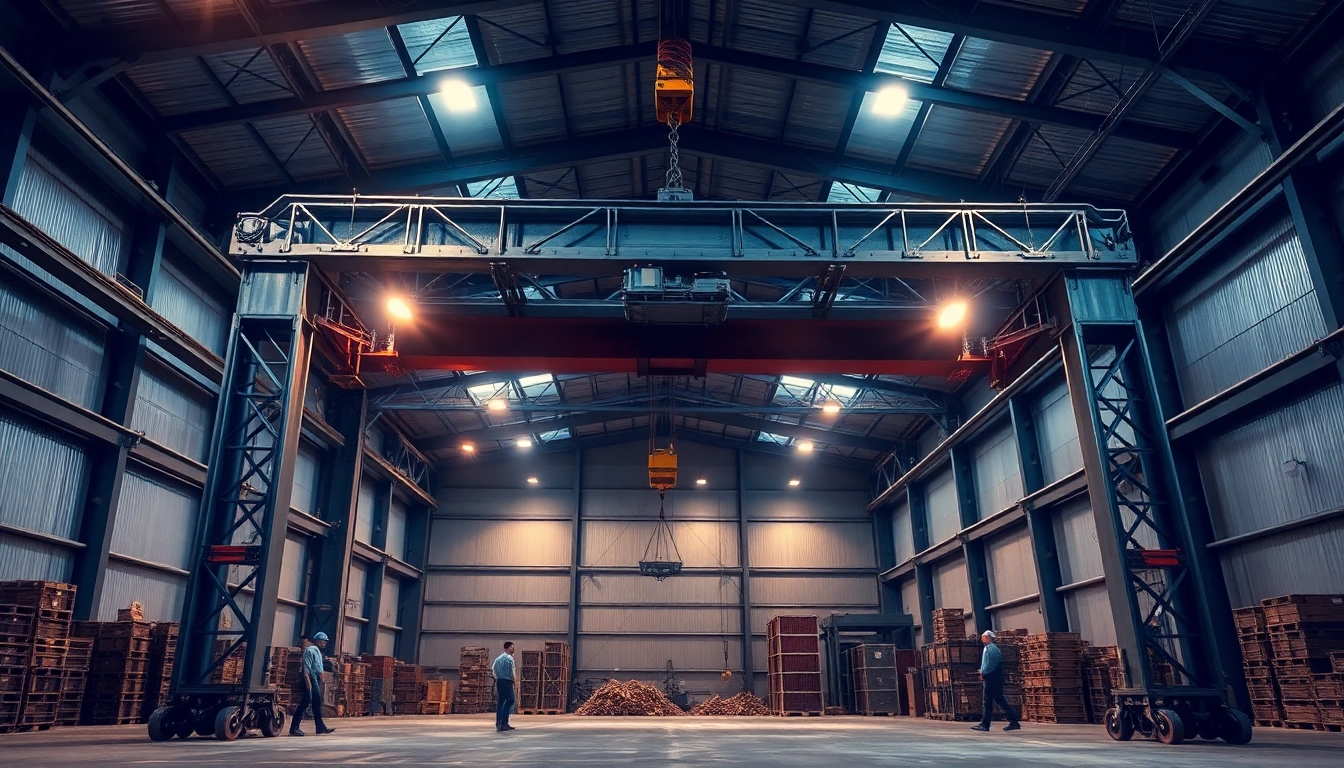
Understanding the Double Girder Bridge Crane
The double girder bridge crane is a sophisticated lifting solution widely used in industrial settings for heavy-duty material handling. By utilizing two parallel girders, this crane design offers a robust structure capable of supporting significant loads, surpassing the capabilities of single girder alternatives. From automotive manufacturing to steel fabrication, double girder cranes have become essential for enhancing productivity and safety in lifting operations. When exploring options, double girder bridge crane systems provide comprehensive insights into effective material handling solutions.
What is a Double Girder Bridge Crane?
A double girder bridge crane is an overhead lifting device comprised of two main girders that span the width of the work area. These girders run parallel to each other and are supported by end trucks that travel along overhead runways. This configuration allows for greater lifting capacity and stability, as the hoist operates on the lower flange of the main girders. Typically used for heavy lifting tasks, double girder cranes can handle loads exceeding 10 tons, making them suitable for a variety of industrial applications.
Key Components and Functionality
The fundamental components of a double girder bridge crane include:
- Main Girders: The two horizontal beams that form the structure’s frame, supporting both the hoist and trolley.
- Hoist: The mechanism that lifts and lowers the load, which can be positioned on the lower flange of the girders.
- Trolley: A platform that moves along the girders, allowing the hoist to travel horizontally.
- End Trucks: These are mounted on either end of the girder assembly and facilitate movement along the runway.
This configuration allows for enhanced lifting capabilities and efficiency, suitable for expansive work areas and diverse material types.
Benefits Compared to Other Crane Types
Double girder bridge cranes provide several advantages over their single girder counterparts:
- Increased Load Capacity: Ability to handle heavier loads, often exceeding 50 tons.
- Broader Span: Can span longer distances without the need for additional supports, making them ideal for vast industrial spaces.
- Enhanced Stability: The dual-girder design offers greater rigidity and stability during operation, reducing the risk of sway while lifting.
- Versatility: Suitable for various applications, including manufacturing, warehousing, and construction.
These features make double girder cranes an attractive choice for businesses requiring reliable and efficient lifting capabilities.
Applications of Double Girder Bridge Cranes
Double girder bridge cranes are utilized across multiple industries, owing to their robust design and high lifting capabilities. They are particularly advantageous in scenarios where frequent lifting and transportation of heavy materials are required, enhancing operational efficiency and safety.
Industry-Specific Uses of Double Girder Cranes
Various industries leverage double girder cranes for specific applications:
- Manufacturing: Commonly used for assembling heavy machinery and transporting components throughout the production line.
- Aerospace: Crucial for lifting and maneuvering large aircraft parts safely and efficiently.
- Steel and Metal Production: Essential in handling large metal sheets and components in foundries, ensuring precise material handling.
- Construction: Employed for moving heavy beams, trusses, and other structural elements on construction sites.
Case Studies: Successful Implementations
Several companies have successfully implemented double girder bridge cranes to streamline their operations:
- Automobile Manufacturing: A leading automotive plant integrated double girder cranes to manage the assembly of heavy vehicle chassis, resulting in a 30% reduction in assembly time.
- Shipbuilding: A shipyard utilized double girder cranes to handle large ship components, decreasing operational downtime and enhancing safety measures.
These implementations highlight the significant impact of double girder cranes on improving efficiency and safety in demanding environments.
Challenges Faced in Crane Applications
While double girder cranes offer numerous advantages, they are not without challenges:
- Cost: Higher upfront capital investment compared to single girder cranes, which may deter smaller businesses.
- Space Requirements: The need for more substantial infrastructure and overhead clearance can limit installation options.
- Maintenance: Regular maintenance is essential to prevent wear and tear, which can incur additional costs and downtime.
Addressing these challenges early in the planning process can lead to successful crane operation and enhanced productivity.
Choosing the Right Double Girder Bridge Crane
Selecting the appropriate double girder bridge crane involves careful consideration of various factors to ensure optimal performance and safety. Proper selection can lead to significant enhancements in operational productivity and overall safety.
Factors to Consider: Load Capacity and Span
Before making a purchase, consider the following critical factors:
- Load Capacity: Assess the maximum weight that will need lifting and choose a crane that exceeds this capacity to ensure safety margins.
- Span Length: Determine the distance the crane needs to cover and the available workspace, as this will dictate the girder length required.
- Environment: Consider the operating environment (temperature, humidity, etc.) as this can affect crane performance and longevity.
Common Misconceptions and Truths
Some misconceptions about double girder cranes can lead to poor decision-making:
- Misconception: Double girder cranes are only for heavy industries.
Truth: They can also be used in lighter applications where increased reliability and safety are valued. - Misconception: Maintenance is too costly and complex.
Truth: Routine maintenance is essential but can be managed effectively with a structured plan.
Expert Tips for Selection
To aid in selecting the right double girder bridge crane, consider the following expert recommendations:
- Engage with manufacturers or suppliers for insights on specific needs and custom features.
- Request performance data and case studies from similar industries.
- Plan for future scalability to accommodate potential increases in workload.
Being well-informed will substantially enhance the selection process and ensure operational success.
Maintenance and Safety Practices
Maintaining a double girder crane is crucial for ensuring long-term operation and safety. Regular maintenance safeguards against sudden mechanical failures that could lead to accidents.
Routine Maintenance Procedures
Key maintenance procedures include:
- Regular inspections of all moving parts, including the hoist and trolley.
- Lubrication of mechanical components to prevent wear.
- Testing safety features, such as brakes and limit switches, to ensure they are functioning correctly.
Safety Standards and Compliance
Following safety guidelines established by organizations like OSHA and ASME is critical for crane operation. Compliance with safety standards protects operators and reduces the risk of workplace accidents.
Risk Management Strategies
Implementing risk management strategies can help mitigate potential hazards:
- Conduct regular safety training sessions for operators.
- Establish clear protocols for load limits and operational procedures.
- Utilize advanced safety technologies, such as overload sensors and collision avoidance systems.
Future Trends in Crane Technology
The crane industry is continuously evolving, with innovations that aim to enhance efficiency, safety, and performance. As we look towards 2025, several trends are emerging:
Innovations on the Horizon for 2025
Future advancements include:
- Lightweight Materials: Use of advanced composites and alloys to reduce crane weight while maintaining strength.
- Enhanced Automation: Integration of robotics for more precise and efficient lifting operations.
Smart Technology Integration in Cranes
The incorporation of smart technology will allow for:
- Real-time monitoring of crane performance through IoT devices.
- Predictive analytics to anticipate maintenance needs and minimize downtime.
The Evolving Role of Automation in Heavy Lifting
As automation becomes more prevalent in industries, cranes are being equipped with systems that allow for greater efficiency, including:
- Automatic load sensing and adjustment features that optimize lifting operations.
- Remote operation capabilities that enhance operator safety.
Overall, adopting these innovations will revolutionize the operation of double girder bridge cranes, making them even more efficient and safer in various applications.