








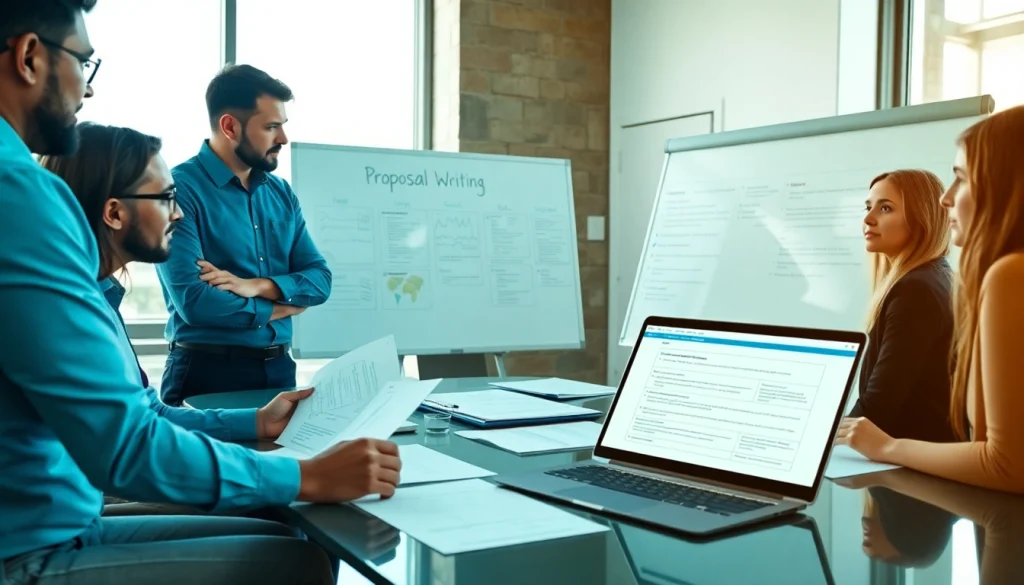
Understanding Proposal Writing and Management
Proposal writing and management is a critical element in the realms of business and government contracting. It serves as the formal means by which organizations present their services or products to potential clients or funders, often in response to a Request for Proposal (RFP). A well-crafted proposal can be the deciding factor between winning and losing a bid. Understanding both the theory and the practice behind effective proposal management is essential for any professional looking to secure contracts and funding. For a more in-depth exploration of this topic, visit Proposal Writing and Management.
The Importance of Effective Proposals
Effective proposals do more than just outline a solution; they embody the quality and professionalism of the organization itself. In a competitive landscape, a compelling proposal can set a business apart from its competitors, showcasing not only its capabilities but also its understanding of the client’s needs. Proposals can also serve as a reference point for defining project scopes, timelines, and deliverables, making them crucial both during and after contract award.
Key Components of Proposal Management
Proposal management encapsulates the entire lifecycle of developing, submitting, and managing a proposal. The key components include:
- Planning: This involves defining the proposal management process and setting timelines.
- Research: Understanding the client, the competition, and the context is paramount.
- Content Development: Crafting the proposal’s narrative while adhering to technical requirements.
- Review and Revision: Implementing feedback and ensuring compliance with RFP guidelines.
- Submission: Delivering the proposal in the stipulated format and ensuring confirmation of receipt.
- Follow-up: Engaging with the client post-submission for any inquiries or clarifications.
Challenges in Proposal Writing and Management
Despite its importance, proposal writing and management pose several challenges:
- Time Constraints: Tight deadlines can compromise the quality of proposals.
- Resource Allocation: Balancing multiple projects can strain resources and focus.
- Complexity of Requirements: Vague or overly complex RFPs can lead to misalignment between client expectations and proposal solutions.
- Team Coordination: Successful proposals often require cross-departmental collaboration, which can be challenging without clear communication channels.
Steps in Crafting a Winning Proposal
Researching for Proposal Success
Effective research is the foundation of a strong proposal. Understanding the client’s background, their pain points, and the competitive landscape is essential for positioning your solution effectively. This step can involve:
- Engaging with the client’s past projects to gauge their preferences.
- Utilizing market research to identify trends and potential needs.
- Competitor analysis to discern gaps and opportunities in offerings.
Structuring Your Proposal
Structuring your proposal clearly and logically is crucial for readability and comprehension. This includes:
- Executive Summary: A brief overview of your proposed solution and the benefits to the client.
- Company Overview: A section that details your organization’s mission, capabilities, and track record.
- Project Scope: Clearly outline what the project entails, including deliverables and timelines.
- Budget: Providing a transparent and justifiable budget that reflects the value of your services.
- Conclusion: A powerful closing statement that reinforces the benefits of choosing your proposal and encourages action.
Revision and Feedback Process
A robust revision and feedback process is essential to refine and enhance your proposal. This includes:
- Peer reviews to gain diverse perspectives.
- Using a checklist to ensure compliance with RFP requirements.
- Engaging stakeholders through the review process to garner full support and buy-in.
Best Practices in Proposal Management
Establishing Clear Objectives
Setting clear, achievable objectives helps streamline the proposal development process and ensures all team members are aligned. This involves defining:
- The goals of the proposal (e.g., service delivery, funding).
- The metrics for success (e.g., proposal win rate).
- The specific roles and responsibilities of team members throughout the process.
Utilizing Collaborative Tools
Collaborative tools can enhance communication and efficiency within the proposal team. These tools include:
- Cloud-based platforms for document sharing and version control.
- Project management software for tracking progress and deadlines.
- Communication tools for maintaining dialogue among team members and stakeholders.
Monitoring Proposal Progress
Monitoring the proposal process through established metrics is vital for continuous improvement. Regular progress reports can help identify bottlenecks or areas needing attention, ensuring:
- Timely adjustments to the proposal timeline.
- Early detection of potential risks that could hinder submission.
- Assessment of team performance and resource allocation.
Enhancing Skills for Effective Proposal Writing
Training Resources and Workshops
Investing in skills development is crucial for anyone involved in proposal writing and management. Training resources can include:
- Workshops focused on proposal strategies and techniques.
- Online courses that cover industry-specific standards and practices.
- Certifications in proposal management to enhance credibility and expertise.
Networking with Professionals
Networking can provide valuable insights and foster collaborations that enhance proposal quality. Engaging with professionals allows for:
- Sharing of best practices and lessons learned from successful proposals.
- Access to a supportive community for brainstorming and feedback.
- Opportunities for mentorship and guidance from seasoned experts.
Keeping Up with Industry Trends
The landscape of proposal writing and management is continually evolving. Staying informed on trends can provide a competitive edge through:
- Regular reading of industry publications and blogs.
- Attending conferences and seminars to learn about emerging practices.
- Engaging in online forums discussing the latest tools and techniques in proposal management.
Measuring Success in Proposal Management
Key Performance Indicators to Track
To evaluate the effectiveness of proposal efforts, it is crucial to establish Key Performance Indicators (KPIs). Common KPIs include:
- Win Rate: The ratio of successful proposals to those submitted.
- Proposal Cycle Time: The average time taken from proposal initiation to submission.
- Proposal Quality Scores: Evaluations based on internal or external review feedback.
Gathering Stakeholder Feedback
Collecting feedback from stakeholders post-submission can provide insights into the strengths and weaknesses of your proposals. This can be achieved through:
- Formal surveys to obtain structured feedback.
- Informal discussions to gain candid insights on the proposal experience.
- Reviewing rejection notes to identify consistent themes in feedback.
Iterating on Proposal Strategies
Learning from past proposals and continuously iterating your strategies is essential for long-term success. Techniques include:
- Regularly scheduled proposal review sessions to assess lessons learned.
- Analyzing win/loss data to refine your value propositions.
- Developing a repository of successful proposals as a reference for future projects.