The Role of Education in Personal Development
Education is undeniably a cornerstone of personal growth and development. Its influence reaches far beyond mere academic skills, deeply affecting critical thinking, self-confidence, and adaptability in an ever-changing world. Understanding these aspects is crucial for individuals seeking to maximize their potential through structured learning initiatives. One of the most profound realizations is that education fosters not only knowledge but also skills necessary for achieving personal and professional success. Therefore, exploring the multifaceted role of Education in personal development is imperative.
How Education Shapes Critical Thinking
Critical thinking is a vital skill that enables individuals to analyze information, assess different viewpoints, and arrive at well-reasoned conclusions. Educational systems are designed to promote critical thinking through various methodologies such as problem-based learning, inquiry-based learning, and Socratic questioning. These methods encourage students to engage proactively with content, questioning assumptions and exploring multiple perspectives.
A prime example is the implementation of debate clubs and discussion forums in educational institutions. Such platforms allow students to express their opinions and defend their stances on various issues. This engagement not only cultivates critical thought but also enhances communication skills. Furthermore, in a globalized society, the ability to think critically is essential for navigating an increasingly complex world, where information is both abundant and, at times, misleading.
Self-Confidence through Learning Achievements
Education is a powerful contributor to self-confidence. Achieving academic milestones—such as graduating from high school or completing a degree program—instills a sense of accomplishment. This is often accompanied by further motivation to pursue additional goals. Successful learners tend to embrace challenges with greater resilience, as they recognize their capability to overcome obstacles through effort and perseverance.
Moreover, education encompasses feedback mechanisms that further bolster self-esteem. Constructive criticism from educators and peers allows students to improve, fostering a growth mindset. The recognition of individual progress through assessments and qualitative encouragement can transform a student’s perception of their abilities. In this way, education creates a cycle of achievement, reinforcement, and increased self-worth.
Lifelong Learning and Adaptability
The modern workforce requires individuals to be lifelong learners due to rapid technological advancements and shifting industry demands. Education instills a habit of continual learning, equipping individuals with the skill set to adapt to new situations. This adaptability is crucial in professional environments where change is constant.
As industries evolve, educational systems must pivot to teach relevant skill sets. This includes integrating technology into the curriculum, offering vocational training, and promoting inter-disciplinary studies. In addition, educational institutions are increasingly prioritizing skills such as emotional intelligence and cultural competence—attributes vital for collaboration and innovation in diverse work settings.
Education's Impact on Economic Growth
The relationship between education and economic growth is profound, as a well-educated population fosters innovation, productivity, and workforce competitiveness. Education serves as a catalyst for economic sustenance, encouraging individuals and societies to leapfrog into developed status. The ramifications of education on economic growth can be analyzed through various dimensions.
Skills Development for the Workforce
As economies evolve, so too do the skills required by the workforce. Education plays a pivotal role in developing these essential skills, particularly in science, technology, engineering, and mathematics (STEM) fields. This focus prepares employees for roles that demand advanced technical knowledge and problem-solving capabilities.
For instance, targeted programs that align educational curricula with industry needs have been shown to significantly reduce unemployment rates. Training initiatives that partner educational institutions with businesses develop curricula that reflect current market demands, ensuring that graduates possess the skills necessary to compete in today's job market.
Education and Innovation Correlation
Innovation is often the byproduct of education, where knowledge leads to new ideas, products, or processes. Education fosters creative thinking and encourages students to explore, experiment, and take calculated risks. This environment enhances innovation capabilities not only among individuals but also within larger organizations.
Countries with robust education systems are often ranked as leaders in innovation. For example, nations investing in research and development along with educational institutions typically report higher innovation outputs. By promoting research initiatives within universities, education develops a culture of collaboration between academia and industry, driving economic growth...
The Financial Benefits of Educated Populations
Educated populations are associated with elevated income levels and economic prosperity. Higher education degrees often correlate with higher salaries, reduced unemployment, and greater financial stability. Studies consistently show that individuals with bachelor's degrees earn significantly more over their lifetimes compared to those without a degree.
Additionally, the financial advantages of educated populations extend to society. Communities with a higher rate of educational attainment benefit from increased tax revenues and lower public assistance costs. These resources, in turn, can be reinvested into infrastructure, social services, and other community development initiatives, demonstrating the cascading financial benefits of education.
Social Benefits of Education
Education extends beyond economic advantages to encompass numerous social benefits. It plays an integral role in shaping societies, promoting equality, community engagement, and even reducing crime rates. In essence, education can transform social dynamics for the better.
Education as a Tool for Equality
Education is often viewed as a powerful equalizer. Access to quality education can mitigate socioeconomic disparities, providing individuals from disadvantaged backgrounds opportunities to uplift themselves and their communities. Through scholarships, grants, and affirmative action policies, marginalized groups have increased access to quality education, which remains one of the most effective strategies for achieving social equity.
Educational institutions are also encouraged to foster inclusive environments that embrace diversity and promote understanding among different cultures. This contributes to creating more equitable societies where individuals respect and appreciate differences, thereby fostering harmony.
Community Engagement through Educational Programs
Education fosters community engagement and social responsibility. Initiatives such as community service programs and partnerships with local organizations promote civic engagement among students. These opportunities allow individuals to connect with their communities, appreciate local history, and better understand civic duties.
Community-based educational programs that target skill-building often create pathways for personal and professional growth, fortifying community ties in the process. As students engage in local initiatives, they gain hands-on experience and insights that amplify their learning and growth, creating a virtuous cycle of community development.
Education's Role in Reducing Crime Rates
Evidence shows that education is instrumental in reducing crime rates and improving public safety. Higher levels of education correlate with lower instances of criminal behavior. Educated individuals are more likely to be gainfully employed and involved in constructive activities rather than potential criminal activities.
Furthermore, educational interventions within communities plagued by crime have demonstrated success. Programs that engage at-risk youth through mentorship, extracurricular activities, and education have proven effective in diverting individuals from criminal pathways. By emphasizing the importance of education and providing access, society can contribute to crime reduction efforts significantly.
Current Trends in Education
The educational landscape is continually evolving, influenced by technological advancements, changing societal needs, and emerging educational philosophies. Understanding these current trends is vital for students, educators, and stakeholders striving to remain relevant in a fast-paced world.
Technological Advancements in Teaching
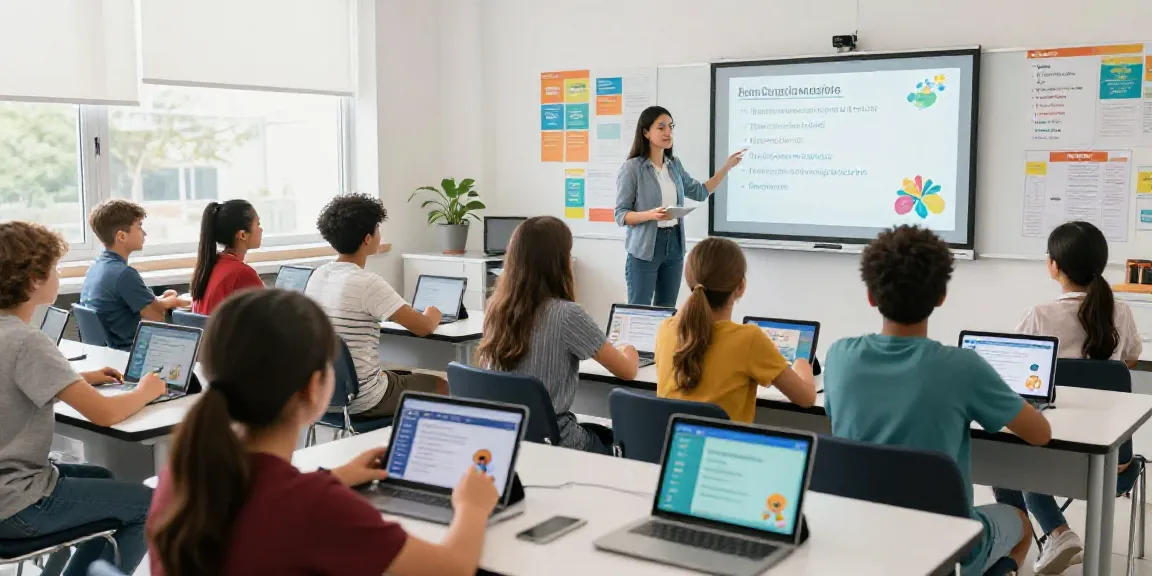
Technology has revolutionized the way we approach education. Tools such as learning management systems, online assessment platforms, and virtual reality simulations enable educators to create dynamic learning experiences. The incorporation of technology allows for personalized learning paths, catering to the diverse needs of students.
Adaptive learning technologies, for instance, utilize data to tailor educational material to individual learner profiles. This approach not only enhances student engagement but also improves outcomes, as students learn at their own pace, reinforcing their understanding of the material.
The Rise of Online Education Platforms
The internet has democratized access to education, with a marked rise in online learning platforms offering flexible learning opportunities. These platforms not only serve traditional students but also cater to adult learners seeking professional development or career transitions.
Massive Open Online Courses (MOOCs) represent a significant development in this area, enabling thousands of learners to access high-quality courses from prestigious institutions. This trend towards online learning has prompted traditional educational institutions to rethink their delivery models, increasingly incorporating hybrid and blended learning environments.
Incorporating Mental Health in Education
Recognizing the crucial link between mental well-being and academic success, educational institutions are increasingly prioritizing mental health programs. Initiatives that promote mental health awareness and provide support services are essential components of a holistic educational experience.
Schools are beginning to incorporate social-emotional learning (SEL) into their curricula, equipping students with coping strategies, resilience, and emotional intelligence. This proactive approach recognizes that a supportive learning environment contributes significantly to student achievement and overall well-being.
Future of Education
The future of education is poised for transformative changes that could redefine how learning occurs globally. As we project forward, certain trends and predictions will shape the educational landscape.
Predictions for the Next Decade in Education
Experts predict that education will become increasingly personalized, leveraging data analytics and artificial intelligence to tailor learning experiences. This shift will empower students to take ownership of their learning path, encouraging independence and motivation.
Furthermore, a strong emphasis on interdisciplinary learning will likely emerge. As problems facing society become more complex, educational systems will need to equip students with skills that transcend traditional subject boundaries, fostering creativity and critical analysis.
Creating Inclusive Education Systems
Inclusivity will remain at the forefront of educational reforms. Efforts to create equitable access for all, regardless of socioeconomic background, race, or ability, are fundamental to a progressive educational future. Policy changes aimed at reducing barriers to education will be essential in this endeavor.
Moreover, educational institutions will increasingly reflect the communities they serve, ensuring diverse representation among staff and curricula. This inclusive approach enriches the learning experience and promotes a culture of respect and understanding.
Preparing Students for a Globalized World
The interconnectedness of our global society necessitates that education prepares students for a world that is increasingly collaborative and diverse. Language acquisition, cultural fluency, and global awareness will be integral components of a future-ready education system.
Specifically, partnering with international organizations for exchange programs or collaborative projects allows students to experience global perspectives firsthand. This exposure not only augments academic learning but cultivates global citizenship, empowering students to engage effectively in a diverse world.