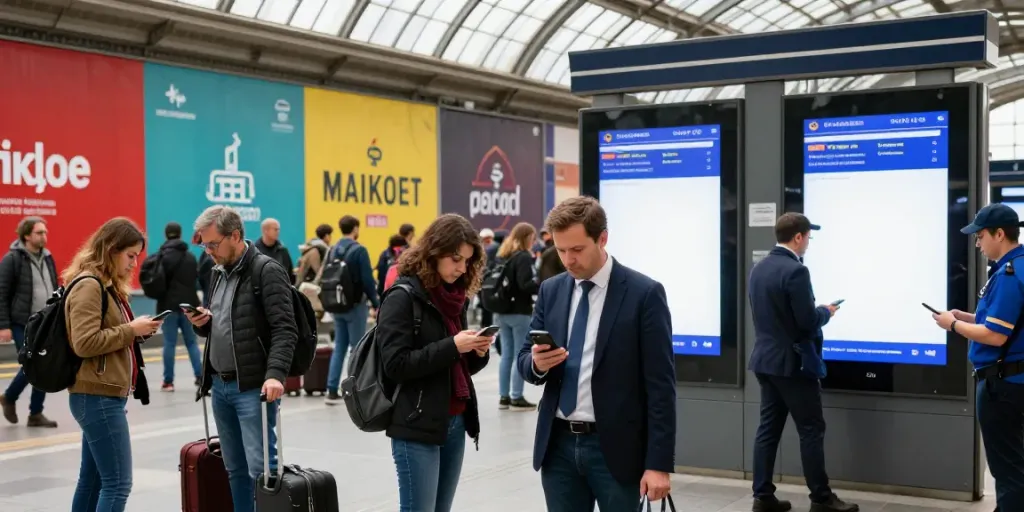
Understanding Train Strikes in Italy
Train strikes, or "scioperi treni," are a significant aspect of public transport in Italy that can disrupt daily commuting and travel plans. Every year, thousands of commuters rely on the railway system, making it essential to stay informed about potential strikes. The Italian government and various unions regulate these strikes, ensuring that the public is notified in advance, typically within a ten-day window. For comprehensive information about upcoming strikes, Scioperi treni is an invaluable resource that provides real-time notifications and updates.
What Causes Train Strikes?
Understanding the underlying causes of train strikes is essential for commuters. Common reasons include wage disputes, labor conditions, and shifts in government policy regarding public transport funding. Labor unions often call for strikes to demand better working conditions or negotiate for improved wages. The railway sector, comprising various roles from conductors to maintenance personnel, has a unique set of grievances that can lead to work stoppages. For instance, a recent strike might stem from a disagreement between Trenitalia and a workers’ union over salary increases or new employment contracts.
The Legal Framework for Scioperi Treni
In Italy, labor laws stipulate that strikes must be announced at least ten days in advance, giving commuters time to adjust their travel plans. This preemptive notification is crucial, as it helps minimize chaos during strike days. However, not every strike is planned; spontaneous strikes can occur, usually in response to immediate grievances. The legal framework ensures a balance between workers' rights and the public’s need for reliable transportation.
Impact on Commuters and Travel Plans
Train strikes adversely affect millions of commuters daily, leading to delays and cancellations that can disrupt not only travel plans but also business operations across various sectors. The impact extends beyond immediate inconveniences, as some passengers may miss vital appointments, work engagements, or educational opportunities. Moreover, fluctuating train availability can strain alternative transport options, adding to the public's frustration.
How to Stay Informed
Staying updated about potential train strikes is imperative for effective travel planning. Fortunately, there are several methods to stay informed about any disruptions in Italy's transport services. Mobile applications, alert systems, and community resources can provide the latest updates and necessary information.
Real-Time Alerts and Notifications
One of the most efficient ways to stay informed is through real-time alerts. Many transport apps allow users to set notifications for specific regions and transport types. For instance, setting preferences for train services can ensure that commuters receive relevant updates without being inundated with unrelated information.
Utilizing Mobile Applications for Updates
Mobile applications are essential tools for commuters, offering instant notifications regarding train strikes. Platforms like the “C'è Sciopero” app not only provide details about current strikes but also enable users to receive push notifications tailored to their preferred transport methods. This ensures that users are informed well ahead of any service interruptions.
Community Resources and Online Platforms
Community platforms and social media can serve as valuable resources for real-time updates and discussions about train strikes. Engaging in community forums can provide insights from other travelers, helping to identify patterns in strike occurrences and sharing tips on alternate routes or transport modes during disruptions.
Planning Ahead for Train Strikes
Effective planning can significantly reduce the impact of train strikes on travel. By anticipating possible disruptions and formulating contingency plans, commuters can navigate the complexities of public transport more effectively.
Strategies to Minimize Disruptions
To minimize disruptions caused by train strikes, travelers should consider adjusting their schedules. Planning to complete travel during off-peak hours or exploring flexible work arrangements can minimize the risks associated with train strikes. Commuters may also find it helpful to stay informed about recurring strike dates, which can often follow a pattern from previous years.
Alternative Transportation Options
When train services are disrupted, it’s crucial to have alternative transport options in mind. Buses, carpooling, or even rideshare services may provide viable solutions when train routes are limited. Knowing these alternatives ahead of time allows for smoother transitions during travel disruptions.
Key Dates and Historical Trends
Keeping track of historical strike dates can offer insights into patterns, helping commuters prepare for future disruptions. Many unions follow seasonal trends, and knowing these can guide commuters in planning their future travel. For instance, train strikes often see peaks during holiday seasons or major events when travel demand is heightened.
Safety and Rights During Transport Strikes
During transport strikes, understanding passenger rights is critical to ensuring safety and compliance with regulations. Commuters should be aware of their rights as passengers and what they are entitled to during such disruptions.
Understanding Your Rights as a Passenger
Legislation protects passenger rights during strikes, ensuring that individuals receive information regarding alternative options and any compensations available. Many transport companies provide guarantees for certain services and inform passengers about their rights concerning refunds or fare adjustments.
Best Practices for Safe Travel
Safety during transport strikes should remain a priority. Commuters are advised to plan their routes in advance, remain vigilant in crowded areas, and keep their belongings secure. Additionally, utilizing reputable transport options can further ensure a safe travel experience.
Dealing with Emergencies During a Strike
In the event of an emergency during a transport strike, it’s crucial to remain calm and follow the instructions of local authorities. Keeping emergency contact information readily available and having a backup plan can make all the difference during unforeseen situations.
Future Trends in Italian Transport Strikes
As the landscape of transport in Italy continues to evolve, understanding future trends regarding train strikes is essential for commuters and stakeholders alike. Various factors may shape the frequency and nature of these occurrences moving forward.
Predictions for Scioperi Treni in 2026
Looking ahead to 2026, experts predict that labor disputes may continue to be the primary catalyst for strikes, particularly as discussions about public transport funding evolve. Increasing demands for better wages and working conditions can lead to a rise in strike actions unless adequately addressed through negotiation and dialogue.
Technological Innovations in Transport
Technological advances will also play a role in mitigating the effects of strikes. The implementation of real-time tracking systems and improved communication platforms can help transport companies better respond to workforce issues and enhance passenger information during disruptions.
Expert Insights and Recommendations
Experts recommend that transport authorities and unions work collaboratively to address disputes before they escalate into strikes. Proactive engagement strategies, involving community dialogues and transparent communication, can foster cooperation and reduce the frequency of strikes in the future.