Understanding Hair Transplant Malaysia Procedures
The pursuit of a full head of hair has led many individuals to consider hair transplants as a viable solution. In Malaysia, the option of undergoing a hair transplant is increasingly popular due to its effectiveness and affordability compared to Western countries. A hair transplant in Malaysia involves the meticulous process of relocating healthy hair follicles from a donor area to regions experiencing thinning or balding. By employing advanced techniques such as FUE, FUT, or DHI, clinics offer patients the potential for natural and lasting results. If you are contemplating a hair restoration procedure, resources like Hair Transplant Malaysia provide comprehensive insights into your options.
What is a Hair Transplant?
A hair transplant is a surgical procedure specifically designed to treat hair loss by transferring hair follicles from one part of the body (donor area) to another (recipient area). This procedure is particularly effective for individuals suffering from male or female pattern baldness, as the transplanted hair retains its genetic resistance to thinning. The results are permanent, natural-looking, and enhance the patient’s overall appearance, restoring self-esteem and confidence.
Types of Hair Transplant Techniques
In Malaysia, the most commonly employed hair transplant techniques include:
- Follicular Unit Extraction (FUE): Individual follicles are harvested from the donor site using a small punch tool and then implanted into the recipient area. This technique is known for minimal scarring.
- Follicular Unit Transplantation (FUT): A strip of scalp is removed, dissected into individual grafts, and reimplanted. This method can yield a higher number of grafts in a single session but typically leaves a linear scar.
- Direct Hair Implantation (DHI): A refined variation of FUE that incorporates a pen-like device for simultaneous extraction and implantation, allowing for greater precision.
- Robotic Hair Transplant: In this method, robotic systems assist in follicle extraction, enhancing precision and effectiveness, especially for larger procedures.
How Hair Transplant Procedures Work
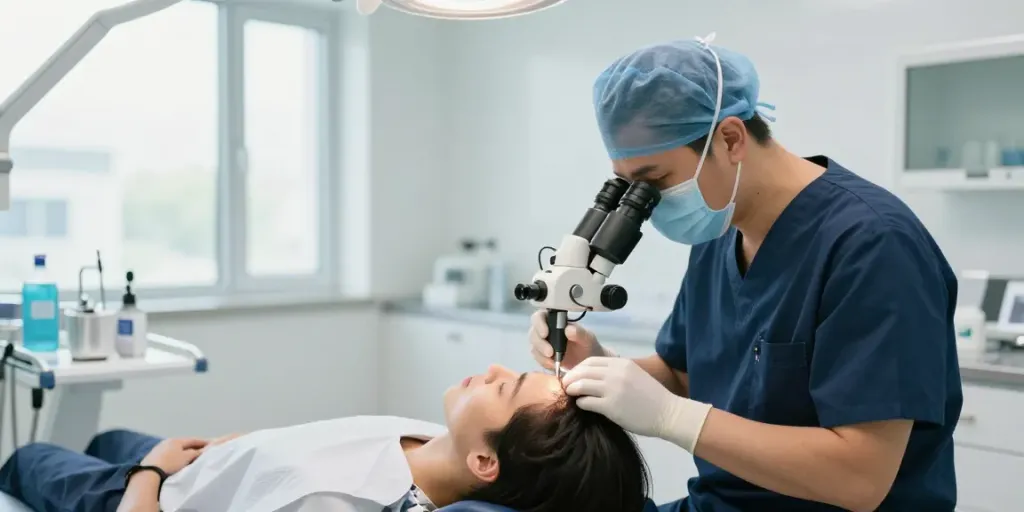
The hair transplant process generally unfolds in three fundamental steps: consultation, procedure, and post-procedure care. Initially, patients consult with specialists to discuss their hair loss history and determine the most suitable technique based on individual needs. During the procedure, local anesthesia is administered, and hair follicles are harvested and meticulously implanted. Post-operative care is crucial for optimizing healing and ensuring the vitality of the transplanted hair.
Exploring SMART™ FUE and Other Methods
Advantages of SMART™ FUE in Malaysia
SMART™ FUE, a leading-edge technique developed by GLOJAS, offers numerous advantages over traditional methods. This doctor-led procedure focuses on enhanced graft survival rates and precision in placement, resulting in a more natural look. The key benefits of SMART™ FUE include:
- Minimal Scarring: The technique uses fine punch tools that significantly reduce visible scarring.
- Short Recovery Time: Patients typically enjoy quicker recovery periods as the technique is less invasive.
- Natural Results: The method allows for superior control over hairline design, density, and orientation, ensuring a harmonious blend with existing hair.
Comparative Analysis: FUE vs FUT vs DHI
When considering hair transplant techniques, it’s essential to evaluate their distinct characteristics:
TechniqueProsConsFUEMinimal scarring, shorter recovery, ideal for short hairstylesLonger for large sessions, typically costs more per graftFUTHigher graft count in one session, often more affordable per graftLeaves linear scar, longer initial healingDHIGreater control over hair placement, potentially higher graft survivalMore labor-intensive, can be costlier
Choosing the Best Technique for Your Needs
The choice of hair transplant technique should align with individual preferences, extent of hair loss, and budget constraints. During a thorough consultation, specialists can recommend the most suitable approach tailored to the patient’s unique conditions. Assessing donor hair quality, hair loss severity, and desired outcomes are pivotal in this decision-making process.
Cost Factors for Hair Transplant Malaysia
Average Price Ranges for Hair Transplant
The cost of hair transplants in Malaysia is notably more affordable compared to regions like the US or Europe, typically ranging from RM8,000 to RM30,000, or approximately RM5 to RM15 per graft. This pricing structure reflects the competitive nature of the hair restoration industry in Malaysia and ensures customers receive high-quality treatment.
What Influences Hair Transplant Pricing?
Several factors contribute to the variation in hair transplant costs, including:
- Technique Used: The chosen method (FUE, FUT, DHI) significantly impacts pricing, with more invasive techniques generally being more expensive.
- Number of Grafts: Costs increase with the number of grafts needed. A personalized assessment during the consultation session will provide a detailed quote.
- Clinic Reputation and Expertise: Established clinics with recognized credentials may charge higher fees, which often reflect their quality of care and outcomes.
- Additional Services: Pre-operative consultations and post-operative care can also influence the total cost.
Financing Options and Insurance Coverage
While hair transplants are primarily considered cosmetic procedures and are not typically covered by insurance, many clinics in Malaysia offer financing options to help make the procedure more accessible. It’s advisable to discuss available payment plans with the clinic during the initial consultation to determine the best financing strategy for your needs.
Identifying Good Candidates for Hair Transplantation
Who is an Ideal Candidate for Hair Transplant?
Ideal candidates for hair transplants are usually individuals experiencing pattern baldness or significant hair loss. Factors that determine candidacy include:
- Age: Generally, individuals between the ages of 25 and 65 exhibit the best outcomes.
- Extent of Hair Loss: Those with sufficient donor hair supply and realistic expectations yield optimal results.
- Health Status: Candidates should be in good overall health, free from scalp conditions that could affect healing.
Common Causes of Hair Loss in Males and Females
Understanding the underlying causes of hair loss is essential for determining appropriate treatment options. Common causes include:
- Genetics: Family history plays a significant role in male and female pattern baldness.
- Hormonal Changes: Conditions such as thyroid disorders or hormonal imbalances can contribute to hair thinning.
- Medical Conditions: Conditions like alopecia areata or scalp infections may necessitate alternative treatments.
Consultation Importance and Candidacy Confirmation
Consultation with a qualified specialist is critical in confirming candidacy for a hair transplant. During this meeting, a thorough assessment of hair loss patterns, donor hair availability, and medical history is performed. The consultation also serves to educate patients on potential outcomes, helping them to formulate realistic expectations.
Future Trends in Hair Restoration in 2026
Emerging Techniques and Technologies
As the field of hair restoration continues to evolve, emerging technologies hold the promise of enhancing outcomes further. Innovations such as PRP (Platelet-Rich Plasma) therapy and advancements in minimally invasive techniques are set to revolutionize hair transplant procedures.
Patient Expectations and Industry Innovations
With the rise of social media and patient testimonials, expectations regarding hair restoration outcomes are increasingly sophisticated. Patients are now more informed and seek natural results that seamlessly integrate with their existing hair. Industry innovations aim to meet these demands through improved methodologies and post-operative care.
Preparing for Your Hair Transplant Journey
Preparation for a hair transplant is essential to maximize success. Individuals should engage in thorough research on potential clinics, consult with experienced specialists, and create a pre-operative plan addressing any lifestyle adjustments needed prior to the procedure. A structured approach to preparation not only enhances results but also leads to greater patient satisfaction.