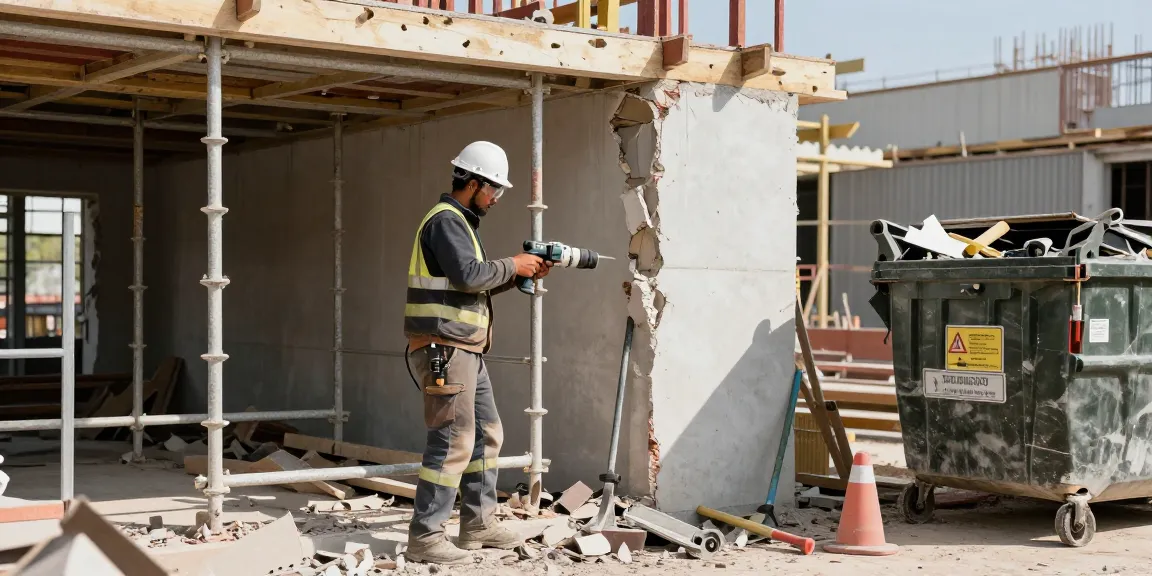
Understanding the Role of a Manhattan Construction Manager
The role of a Manhattan Construction Manager is pivotal within the construction industry, serving as the linchpin that connects various stakeholders throughout the project lifecycle. From residential buildings to commercial skyscrapers, the Manhattan Construction Manager ensures that projects adhere to timelines, budgets, and quality standards. They act as trusted advisors, working closely with architects, engineers, contractors, and clients to facilitate smooth project execution. To further explore the nuances of this profession and its implications on project success, the Manhattan Construction Manager must possess an array of specialized skills and attributes.
Key Responsibilities of a Manhattan Construction Manager
The responsibilities of a Manhattan Construction Manager are diverse and multifaceted, ranging from initial planning to project completion. Some of their key responsibilities include:
- Project Planning and Coordination: Developing a detailed project plan, including scope, schedule, and resource allocation.
- Budget Management: Establishing and maintaining the project budget while identifying potential cost-saving measures.
- Team Leadership: Leading and motivating a multidisciplinary team, ensuring clear communication and collaboration.
- Risk Management: Identifying potential risks and developing mitigation strategies to minimize impact on the project.
- Compliance Oversight: Ensuring all project activities comply with local regulations, building codes, and safety standards.
The Skill Set Required for an Effective Manhattan Construction Manager
To excel in the role of a Manhattan Construction Manager, a specific skill set is essential. Key skills include:
- Technical Knowledge: A strong understanding of construction processes, materials, and technology is crucial for effective management.
- Communication Skills: The ability to convey information clearly and effectively to diverse stakeholders is vital.
- Problem-Solving Abilities: Quick thinking and the ability to devise practical solutions to on-site issues are highly valued.
- Negotiation Skills: Proficiency in negotiating contracts, timelines, and resources can significantly impact project success.
- Leadership Qualities: Inspiring a team and driving project goals forward require strong leadership abilities.
The Importance of Local Knowledge and Networking
In Manhattan's unique and dynamic construction landscape, local knowledge can be a game-changer. Understanding the intricacies of local regulations, zoning laws, and community dynamics is essential for navigating challenges effectively. Additionally, networking with local suppliers, subcontractors, and regulatory bodies can facilitate smoother project execution and enhance collaboration.
Common Challenges Faced by Manhattan Construction Managers
While the role of a Manhattan Construction Manager is rewarding, it is fraught with challenges. Here are some common obstacles they encounter:
Managing Project Budgets and Schedules
Balancing budget constraints with project timelines can be incredibly challenging. Manhattan’s high cost of living and stringent labor rates can place considerable pressure on project finances. To mitigate budget overruns, effective forecasting, continuous monitoring, and proactive adjustments to project plans are crucial.
Handling Regulatory Compliance in Manhattan
Manhattan's complex regulatory environment demands thorough understanding and compliance with various local building laws and codes. Failure to adhere can lead to costly project delays or rework. Staying informed on changes in regulations and maintaining strong relationships with regulatory agencies is advisable for seamless project management.
Addressing Safety Concerns on Construction Sites
Safety is a paramount concern within construction management. Ensuring that all team members and site visitors adhere to safety protocols helps minimize accidents and liabilities. Implementing regular safety training and drills, along with maintaining clear communication regarding safety practices, is crucial for fostering a safe work environment.
Best Practices for Working with a Manhattan Construction Manager
Collaboration between clients and Manhattan Construction Managers is key to project success. Here are some best practices for effective cooperation:
Establishing Clear Communication Channels
Creating an environment that promotes open communication encourages transparency and effective problem-solving. Regular meetings and updates foster alignment among all stakeholders, enabling swift resolution of issues that may arise during the project lifecycle.
Collaborating on Project Goals and Milestones
Establishing clear project goals and milestones upfront helps all parties understand expectations and deliverables. Regularly reviewing progress against these targets encourages accountability and allows for course corrections if necessary.
Utilizing Technology for Enhanced Project Management
The adoption of digital tools and software for project management enhances efficiency and minimizes errors. Tools for scheduling, budgeting, and reporting provide real-time insights into project status, enabling swift decision-making and resource allocation.
Measuring the Success of a Manhattan Construction Manager
Determining the effectiveness of a Manhattan Construction Manager hinges on the establishment of clear performance metrics. Here are ways to evaluate success:
Defining Key Performance Indicators (KPIs)
Establishing quantifiable KPIs tailored to project requirements can help benchmark performance. Common KPIs include project completion time, cost variances, and safety incident rates.
Gathering Client Feedback and Testimonials
Post-project evaluations that involve soliciting feedback from clients provide invaluable insights into the strengths and areas for improvement of the Manhattan Construction Manager. Positive testimonials can also serve as effective marketing collateral.
Continuous Improvement and Professional Development
Encouraging ongoing education and training for construction managers helps them stay abreast of industry trends and best practices. This focus on professional growth ultimately translates to improved project delivery and client satisfaction.
Future Trends in Construction Management in Manhattan
The construction management industry is continually evolving. Here are some future trends likely to shape the role of the Manhattan Construction Manager:
The Impact of Sustainability and Green Building Practices
As emphasis on sustainability grows, Manhattan Construction Managers must integrate eco-friendly practices into project planning and execution. This includes choosing materials wisely, implementing energy-efficient systems, and minimizing waste throughout the construction process.
Incorporating Smart Technologies in Construction
The rise of smart technologies, including Building Information Modeling (BIM) and augmented reality, is transforming construction management. Leveraging these technologies enhances collaboration, improves project accuracy, and reduces the risk of errors.
Adapting to Changes in Workforce Dynamics
As the construction workforce continues to evolve with new and younger generations entering the field, adapting management styles and practices is essential. Embracing diversity, fostering inclusive work environments, and utilizing technology to train and engage workers will be key to addressing workforce dynamics moving forward.