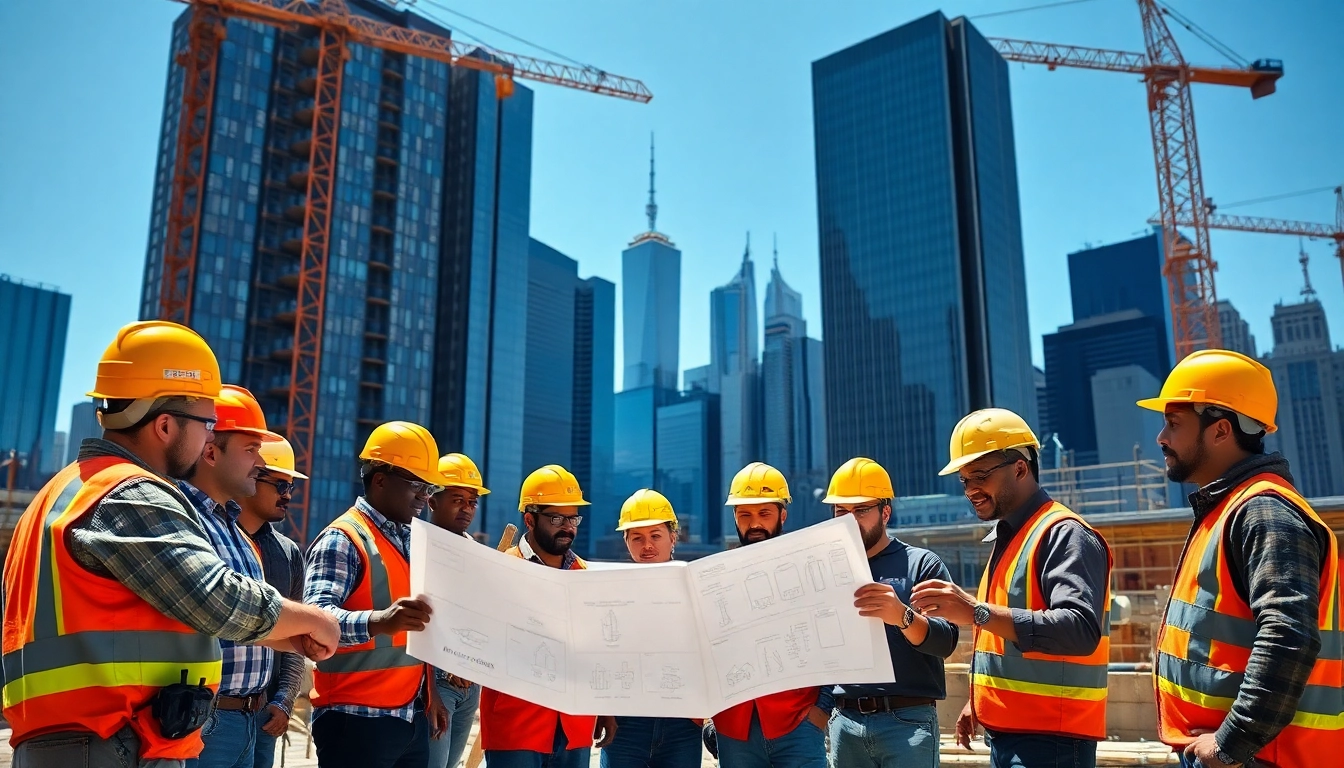
Understanding the Role of a New York City Commercial General Contractor
In the vibrant world of construction and development, the role of a commercial general contractor is pivotal, especially in a bustling urban environment like New York City. They serve as the backbone of construction projects, managing everything from initial planning to the final walkthrough. A New York City Commercial General Contractor is equipped to navigate unique challenges posed by city regulations, diverse stakeholders, and the highly competitive market.
What is a Commercial General Contractor?
A commercial general contractor (CGC) is a professional responsible for overseeing construction projects, managing all aspects of the construction process from start to finish. This role involves coordination between various trades, ensuring that all elements of the project, including labor, materials, and timelines, come together seamlessly. Unlike residential contractors, a CGC specializes in larger commercial projects, such as office buildings, retail spaces, and other multi-use developments.
Key Responsibilities of a New York City Commercial General Contractor
The responsibilities of a commercial general contractor in New York City encompass a broad range of tasks including, but not limited to:
- Project Planning and Design: Collaborating with architects and engineers to create plans that meet the needs of clients while adhering to local building codes and regulations.
- Construction Management: Coordinating various subcontractors and trades to ensure the project remains on schedule and within budget.
- Budget Oversight: Managing the financial aspects of the project, including cost estimation, budgeting, and financial reporting.
- Quality Control: Ensuring that materials and workmanship meet specified standards.
- Safety Management: Implementing safety protocols and practices to protect all workers and bystanders throughout the construction process.
Differences Between General Contractors and Construction Managers
While both general contractors and construction managers oversee construction projects, their roles differ significantly. A general contractor typically takes on full responsibility for the project, from planning to execution. They engage subcontractors, purchase materials, and are responsible for the project's completion, including holding liability for any issues that may arise.
On the other hand, a construction manager serves more as an advisor or consultant, working on behalf of the owner to ensure that project goals align with their vision. Construction managers often assist in planning, scheduling, and budgeting, but they do not execute the construction work themselves. This distinction is crucial when deciding which professional to employ for a specific project.
Choosing the Right New York City Commercial General Contractor
Selecting the appropriate commercial general contractor is vital for the success of any construction project. This decision can affect timelines, quality, and ultimately, the overall satisfaction of stakeholders involved.
Factors to Consider When Hiring
When looking for a commercial general contractor in New York City, consider the following:
- Experience and Specialization: Look for contractors who specialize in the type of project you are planning, whether it's retail, office, or mixed-use developments.
- Reputation: Research the contractor’s track record. Online reviews, testimonials, and case studies can provide insight into their previous work quality and reliability.
- Licensing and Insurance: Ensure the contractor is appropriately licensed and carries sufficient insurance to protect against accidents or damages.
- Local Knowledge: Familiarity with New York City regulations and site-specific challenges can be a significant advantage.
Evaluating Experience and Expertise
Experience is a key factor that can influence a contractor's performance. When assessing potential contractors, inquire about:
- Past Projects: Review portfolios that showcase a variety of completed projects, giving you a sense of their scope and capabilities.
- Client Relationships: Ask about the contractor’s approach to client communication and relationship management. A contractor who prioritizes clear communication will likely facilitate a smoother workflow.
- Problem-Solving Skills: Investigate how the contractor has handled unforeseen challenges in past projects. Their ability to remain flexible and resourceful is crucial.
Checking References and Past Projects
Don’t hesitate to request references from past clients. Speaking with clients who have collaborated with the contractor can provide invaluable insights into their operational style, adherence to timelines, and overall experience. In addition, visiting past project sites can offer concrete proof of their work quality.
Commercial General Contracting Process in New York City
The contracting process in New York City involves several stages, each critical to the project's success. Understanding this process can help clients navigate their expectations and project timelines effectively.
Initial Consultation and Planning
The first stage involves an initial consultation where the client's vision is discussed. This meeting allows the contractor to understand the client's needs, budget constraints, and project timelines. Following this, a feasibility study may be conducted to evaluate site conditions, zoning regulations, and potential challenges.
Design and Budgeting Considerations
Once planning is underway, design discussions follow. Architects and engineers work closely with the contractor to create detailed plans. Budgeting at this stage is crucial; the contractor must provide accurate cost estimates reflecting material and labor expenses, along with contingencies for unexpected costs.
Execution and Project Management
The execution phase is where the contractor's management skills come into play. This includes scheduling subcontractors, ordering materials, and ensuring compliance with safety standards. Effective project management involves constant communication, regular site inspections, and adjusting schedules as necessary to maintain progress.
Best Practices for Effective Communication with New York City Commercial General Contractors
Communication is arguably one of the most critical components of successfully managing a commercial construction project. Establishing an effective communication strategy can lead to improved collaboration and project outcomes.
Establishing Clear Expectations
At the outset of the project, it's imperative to outline clear expectations. Define roles, responsibilities, and communication protocols between all parties involved. This clarity will help mitigate misunderstandings and set a positive tone from the start.
Regular Progress Meetings and Reporting
Schedule regular progress meetings to keep all stakeholders informed. These meetings should cover project status, upcoming tasks, challenges, and safety discussions, ensuring everyone is aligned and engaged throughout the construction process.
Utilizing Technology for Collaboration
Embrace technology tools that facilitate collaboration. Project management software, cloud storage, and communication platforms can help streamline documentation, enhance tracking, and boost overall efficiency. Leveraging these technologies ensures everyone has access to the latest project information at their fingertips.
Future Trends in New York City Commercial General Contracting
Sustainability and Green Building Practices
With increasing awareness of environmental issues, sustainability is a top priority. General contractors in New York City are adopting green building practices, utilizing eco-friendly materials, and implementing energy-efficient systems. This shift not only helps the environment but can also lead to cost savings for clients in the long run.
The Impact of Technology on Construction
Technology is revolutionizing how construction projects are managed and executed. Innovations such as building information modeling (BIM), drones for site surveys, augmented reality for design visualization, and 3D printing for creating building components are becoming commonplace in commercial construction.
Adapting to Changing Market Demands
As market demands shift, so too must the strategies employed by commercial general contractors. Flexibility and adaptability are essential for meeting the diverse needs of clients today, particularly in a fast-paced urban landscape like New York City. Understanding demographic shifts, economic indicators, and emerging business trends will enable contractors to remain competitive and relevant.