Understanding TradingView: A Comprehensive Overview
In today's fast-paced trading environment, having the right tools at your disposal is crucial for making informed decisions. TradingView stands out as an essential platform for traders across various markets, including stocks, forex, cryptocurrencies, and derivatives. By consolidating complex market data and research processes into a single, user-friendly interface, TradingView enables users to streamline their analysis and trading strategies. This comprehensive overview will explore the significance of TradingView, its core features, and how it can transform your trading experience.
When exploring options, TradingView provides comprehensive insights that cater to both novice and experienced traders alike.
What is TradingView and Why It Matters?
TradingView is an advanced charting platform that allows traders and investors to analyze financial markets in real time. Its cloud-based architecture ensures accessibility from any device, making it a flexible choice for traders who are always on the go. The platform not only offers interactive charts and a plethora of technical indicators but also fosters a community where traders can share ideas, strategies, and insights.
The significance of TradingView lies in its ability to consolidate various aspects of trading into one platform. Whether you're conducting technical analysis, tracking market news, or backtesting trading strategies, TradingView is equipped to handle it all. Its integration of social networking features allows users to learn from one another, creating an environment of collaborative growth.
Core Features of TradingView for Various Markets
TradingView offers a wealth of features designed to meet the needs of traders across different asset classes. Here are some of the core functionalities:
- Multi-Asset Support: Users can switch between different asset classes such as stocks, forex, cryptocurrencies, and commodities without needing multiple software tools.
- Advanced Charting Tools: The platform supports multiple timeframes, a rich set of drawing tools, and the ability to overlay custom indicators, making it adaptable to various trading styles.
- Real-Time Alerts: Users can set up price alerts and technical indicator notifications that can be sent via email or mobile app, aiding in timely decision-making.
- Pine Script: TradingView’s proprietary scripting language allows for the creation of custom indicators and backtesting strategies, enabling users to implement tailored trading rules.
User-Friendly Interface and Customization Options
User experience is a critical factor that distinguishes TradingView from other trading platforms. Its intuitive interface is designed for both beginners and advanced users. Traders can easily customize their workspace by rearranging charts, adding indicators, and saving layouts for quick access later.
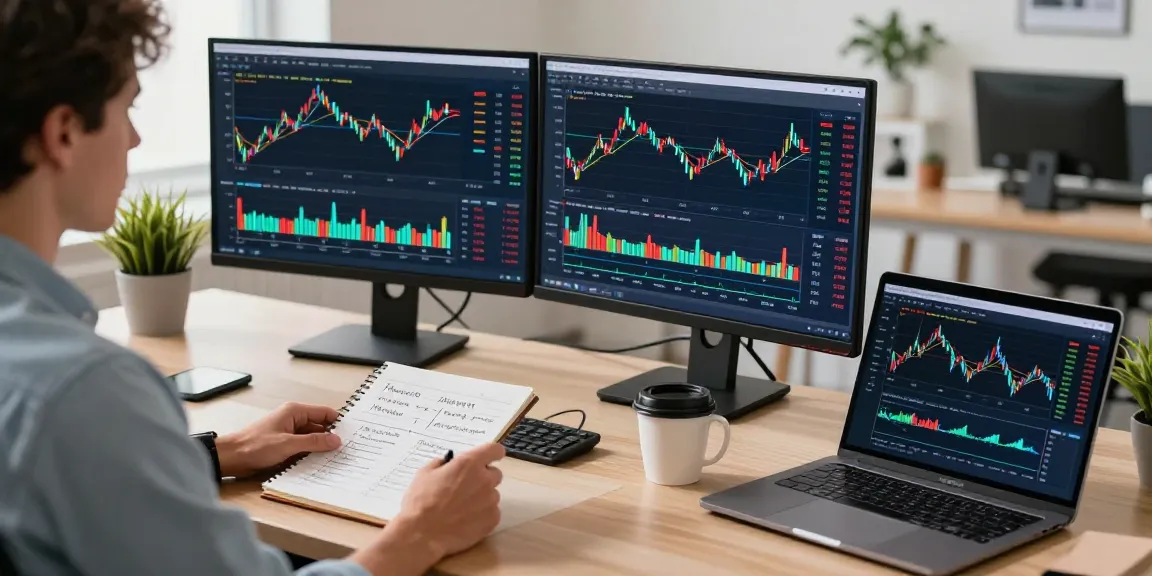
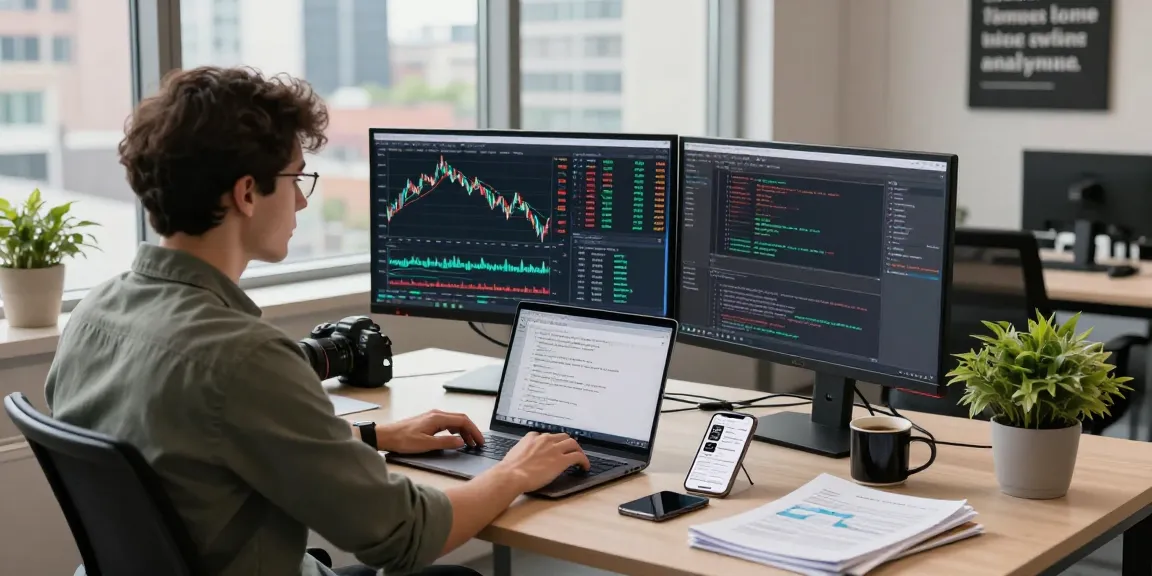
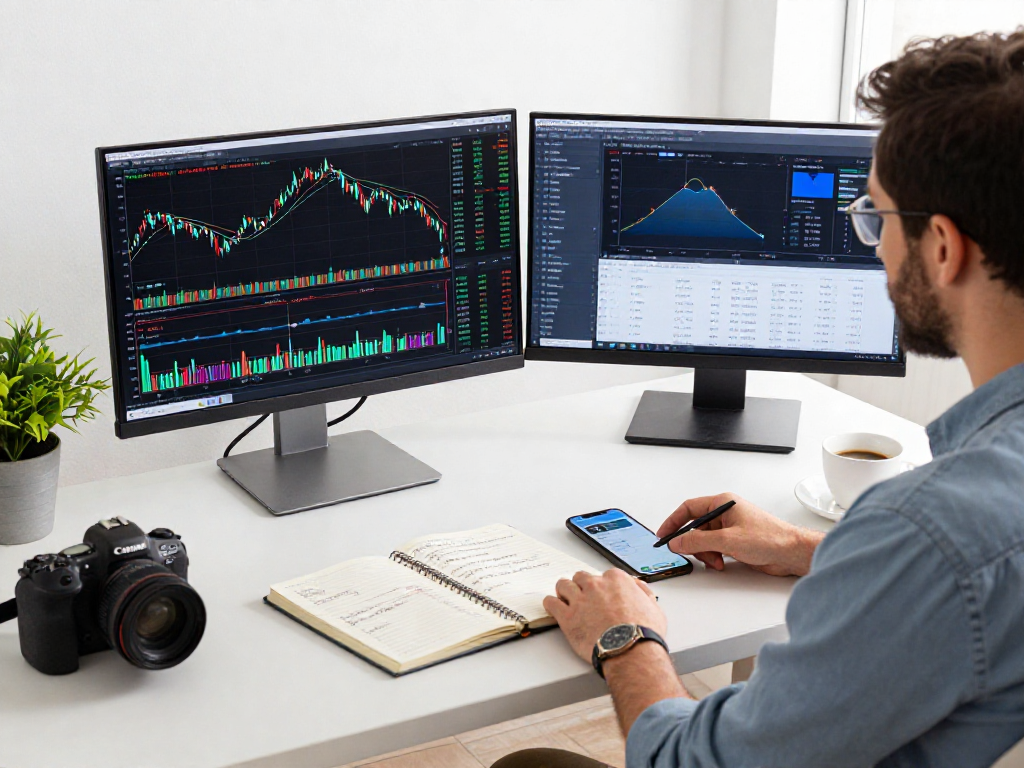
Moreover, the platform's multi-monitor support is ideal for professional traders who require extensive data views and seamless multitasking. Whether you're using the web-based version or the desktop application, TradingView ensures a consistent and high-quality experience across all devices.
Getting Started with TradingView: Your First Steps
Creating Your Trading Account on TradingView
Starting with TradingView is straightforward. Users can create a free account to access basic features, or opt for paid subscriptions that unlock advanced functionalities. To get started:
- Visit the TradingView website and click on the sign-up button.
- Choose between signing up with an email or using social media accounts for quick access.
- Complete the registration process and explore the available plans to find one that suits your trading needs.
Setting Up Your Initial Workspace and Layout
Once your account is created, configuring your workspace is the next step. You can choose from various pre-set layouts or create a custom setup that reflects your trading style. Key components to consider include:
- Chart Type: Select from various chart types such as candlestick, line, or area to find what you’re most comfortable with.
- Indicator Preferences: Add popular indicators like Moving Averages, RSI, or MACD to assist with your analysis.
- Market Watchlist: Create a personalized watchlist to monitor specific stocks, forex pairs, or cryptocurrencies.
Integrating Alerts and Notifications Effectively
One of TradingView's standout features is its alert system, which allows you to stay on top of market movements without constant monitoring. Setting alerts can be done by:
- Selecting the security you wish to track.
- Clicking on the alert icon and specifying the conditions under which you would like to be notified.
- Receiving real-time alerts via app notifications, SMS, or email, helping you act promptly on trading opportunities.
Advanced Trading Techniques Using TradingView
Utilizing Pine Script for Custom Indicators
Pine Script is a powerful tool available within TradingView that allows users to create custom indicators and strategies. By learning the essentials of this scripting language, you can fine-tune your trading strategies to adapt to specific market conditions. Here’s how to start:
- Familiarize with the Syntax: Understanding the basic syntax of Pine Script is essential for writing your own indicators.
- Test on Strategy Tester: Utilize TradingView's built-in Strategy Tester to backtest your custom indicators against historical data before deploying them in live trading.
- Publish and Share: Once you’ve created a successful indicator, consider sharing it with the TradingView community for feedback and collaboration.
Backtesting Strategies with the Strategy Tester
Backtesting is a critical step in developing a robust trading strategy. TradingView’s Strategy Tester allows you to simulate how your trading strategies would have performed in the past, which is invaluable for validation. To effectively backtest:
- Access the Strategy Tester from the relevant chart.
- Input your trading rules and conditions.
- Analyze key metrics such as win rate, drawdown, and profit factor to assess strategy viability.
Combining Multiple Layouts for Enhanced Analysis
For traders who analyze multiple assets or markets simultaneously, TradingView's multi-layout feature is a game-changer. You can open various charts side by side, comparing different instruments or timeframes. This setup is particularly useful during earnings season or significant market events where swift decision-making can lead to profitable opportunities.
Tips for utilizing multiple layouts include:
- Diversifying Assets: Monitor various asset classes to identify correlations and divergences.
- Timeframe Analysis: Use different timeframes to assess market trends and signals more effectively.
- Synchronization: Sync chart settings across layouts to ensure consistency in your analyses.
Community Insights: Learning from Other Traders
Accessing the TradingView Community and Resources
One of the most valuable aspects of TradingView is its community of traders. You can access a wealth of trading ideas, scripts, and analyses shared by other users. Engaging with the community provides significant educational benefits and can enhance your trading strategies.
To access community insights:
- Browse the public library of scripts and indicators.
- Follow successful traders and subscribe to their ideas for real-time updates.
- Participate in forums to discuss trends, strategies, and market conditions.
Sharing Your Trading Ideas and Strategies
Building a personal brand and sharing your trading insights can also be rewarding. By publishing your ideas on TradingView, you not only contribute to the community but also receive valuable feedback that can improve your trading practices. Key tips include:
- Provide Clear Analysis: When sharing, ensure your analysis is easy to understand and well-supported by data.
- Engage with Feedback: Be open to constructive criticism and engage with comments to foster discussion.
- Network: Connect with other traders who share similar interests to expand your trading knowledge.
Participating in Community Discussions and Feedback
Engagement in community discussions can provide a different perspective on market analysis. By collaborating with other traders, you can explore new ideas and refine your strategies. Make it a habit to:
- Comment on published ideas to offer your input.
- Ask questions to gain clarity on complex topics.
- Contribute valuable insights based on your experiences.
Future Trends and Predictions for TradingView in 2026
Emerging Trading Technologies to Watch
The financial trading landscape is continuously evolving, and TradingView is at the forefront of adopting new technologies. Emerging trends that traders should watch include:
- AI-Driven Analysis: Artificial intelligence will continue to shape how traders analyze market data, enhancing predictive capabilities.
- Blockchain Technology: As blockchain technology matures, more trading platforms will integrate these solutions for enhanced security and transparency.
- Mobile Trading Enhancements: With the increasing reliance on mobile devices, TradingView is expected to further develop its mobile platform, making analytics and trading even more accessible.
The Role of AI in Trading Analysis
AI is becoming an integral part of trading platforms. TradingView may leverage AI for real-time data analysis and personalized trading recommendations, allowing traders to make quicker and more informed decisions based on algorithmic insights.
AI-driven tools could provide adaptive learning capabilities, analyzing a trader's past decisions and optimizing future strategies based on historical performance.
Future Updates and Features on TradingView
As we look ahead to 2026, traders can anticipate several exciting updates and features on TradingView. These may include:
- Expanded Asset Coverage: More instruments, including emerging cryptocurrencies and alternative assets, could be added, broadening your trading options.
- Enhanced Educational Resources: TradingView may introduce more tutorials, webinars, and community-driven lessons to help users navigate complex market dynamics.
- Upgraded Integration with Brokers: Direct trading capabilities with an expanded list of partner brokers could simplify the trading process.
What are the key features of TradingView?
TradingView offers multiple features such as advanced charting tools, technical indicators, social trading capabilities, and backtesting functionalities that support traders in analyzing market trends efficiently.
How to create custom indicators using Pine Script?
To create custom indicators using Pine Script, familiarize yourself with the syntax, develop your logic, and validate it within the Strategy Tester before deployment.
What trading strategies can be backtested on TradingView?
Virtually any trading strategy, including trend-following or mean-reversion strategies, can be backtested on TradingView, providing insights into historical performance.
How does TradingView support community trading discussions?
TradingView supports community discussions through its public forums, published ideas, and user-generated content, fostering a collaborative trading environment.
What future updates can users expect from TradingView?
Users can expect updates such as AI-enhanced trading tools, more trading instruments, and additional educational resources to enhance their trading capabilities.