Nipping and Biting Training for Dogs That Works Fast
Nipping and biting training is one of the most important foundations in raising a well-behaved, socially stable, and safe companion animal. Many dog owners initially dismiss mouthing behavior as harmless puppy play, yet behavioral research in 2026 shows that early intervention significantly reduces long-term aggression risks and improves obedience outcomes.
Without structured nipping and biting training, mild puppy mouthing can develop into persistent biting habits, especially in high-energy or anxious dogs. Modern canine behavior science highlights that dogs learn fastest during early developmental stages, where consistency, timing, and reinforcement shape lifelong habits.
Professional programs from Rob’s Dog Training focus on correcting unwanted biting behaviors through structured, evidence-based techniques that prioritize impulse control, emotional regulation, and positive reinforcement.
Dogs primarily use their mouths for communication, exploration, and play. Understanding this natural instinct is essential in designing effective behavioral correction strategies that do not rely on fear or punishment.
- Understanding the Root Causes of Nipping and Biting
- The Psychology Behind Nipping and Biting Behavior
- Proven Nipping and Biting Training Techniques
- Common Mistakes That Delay Training Progress
- Environmental Factors That Influence Biting Behavior
- When Professional Intervention Becomes Necessary
- Case Example: Behavioral Transformation Through Structured Training
- Long-Term Success Strategies
- Frequently Asked Questions
- Building a Safe and Disciplined Companion
Understanding the Root Causes of Nipping and Biting
Effective nipping and biting training begins with identifying why the behavior occurs. Dogs do not bite randomly; there is always an underlying trigger linked to emotion, environment, or instinct.
Common behavioral triggers include:
- Teething discomfort during puppy development stages
- Overstimulation during play or excitement
- Lack of impulse control and poor early boundaries
- Fear, insecurity, or environmental stressors
- Breed-specific instincts such as herding or prey drive
- Attention-seeking behavior when interaction is inconsistent
Understanding these causes allows training to be adapted to the dog’s emotional and psychological state rather than relying on generalized correction techniques.
Behavior specialists emphasize that misidentifying the cause often leads to ineffective training. For example, fear-based biting requires calming and confidence-building, while play biting requires structured redirection and control exercises.
The Psychology Behind Nipping and Biting Behavior
Modern canine psychology explains that biting behavior is often a form of communication rather than aggression. In many cases, dogs use mouthing to express excitement, discomfort, or uncertainty.
During nipping and biting training, recognizing emotional cues is critical:
- Stiff body posture may indicate fear or tension
- Rapid mouthing during play often signals overstimulation
- Growling paired with biting attempts may indicate boundary testing
- Gentle nipping is often exploratory behavior in puppies
By reading these signals early, training becomes more precise and effective. Behavioral correction should focus on replacing instinctive reactions with controlled responses rather than suppressing natural communication.
Proven Nipping and Biting Training Techniques
Successful nipping and biting training relies on structured repetition, timing, and reward-based reinforcement. Modern training methodologies emphasize clarity, consistency, and emotional neutrality.
1. Redirection Training
Redirection is one of the most effective techniques for puppies and young dogs. When biting occurs, immediately introduce a chew toy or safe object.
This method teaches:
- What is acceptable to bite
- How to transition from hands to toys
- Appropriate outlets for chewing instincts
Consistency is key; every biting attempt should be redirected immediately.
2. Bite Inhibition Training
Bite inhibition teaches dogs to control the force of their bite. If biting becomes too hard during play, interaction stops instantly.
Steps include:
- Allowing gentle play biting
- Stopping all interaction when pressure increases
- Resuming only when calm behavior returns
This method builds self-control and reduces accidental injury risks.
3. Command-Based Control Training
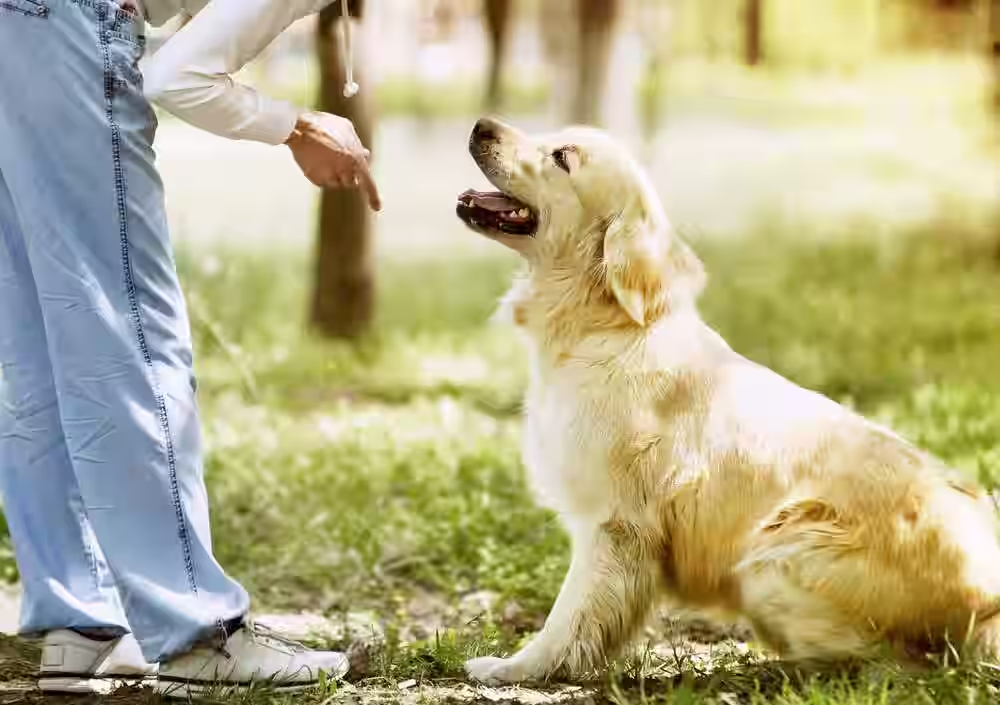
Basic obedience commands play a major role in nipping and biting training. Commands such as “leave it,” “sit,” and “stay” establish structure and impulse control.
Benefits include:
- Improved focus during excitement
- Reduced impulsive reactions
- Stronger communication between handler and dog
Commands should be practiced daily in short, consistent sessions.
4. Time-Out Method
The time-out method removes reinforcement immediately after biting behavior occurs.
Process:
- Stop interaction instantly
- Turn away or leave the space for 10–20 seconds
- Resume interaction only when calm behavior resumes
This teaches that biting results in loss of attention and play.
5. Positive Reinforcement Strategy
Reward-based training is essential in modern nipping and biting training programs. Dogs respond strongly to positive feedback when it is immediate and consistent.
Effective rewards include:
- Verbal praise
- Treat-based reinforcement
- Gentle play continuation
- Access to preferred toys
This method strengthens desired behaviors without creating fear or confusion.
Common Mistakes That Delay Training Progress
Many dog owners unintentionally reinforce biting behavior due to inconsistent or outdated techniques. Avoiding these mistakes is crucial for success in nipping and biting training.
Frequent errors include:
- Using physical punishment, which increases fear and aggression
- Allowing hand-based play that normalizes biting
- Inconsistent correction between family members
- Delayed responses to biting incidents
- Ignoring early warning signs such as whining or stiff posture
Behavioral science confirms that timing is critical; dogs associate actions with immediate consequences, not delayed reactions.
Environmental Factors That Influence Biting Behavior
Training success is heavily influenced by environment. Dogs exposed to chaotic, overstimulating, or inconsistent surroundings are more likely to develop biting habits.
Key environmental factors include:
- Lack of structured daily routine
- Excessive stimulation without rest periods
- Limited mental enrichment activities
- Irregular social exposure
- Absence of clear boundaries at home
Creating a structured environment supports faster learning and reduces behavioral regression.
When Professional Intervention Becomes Necessary
While basic nipping and biting training can be implemented at home, certain cases require expert behavioral support. Persistent biting, fear-based aggression, or unpredictable reactions may indicate deeper issues.
Professional trainers at Rob’s Dog Training assess behavioral patterns and design structured intervention programs.
Professional support typically includes:
- Detailed behavioral evaluation
- Customized correction plans
- Controlled exposure training
- Owner handling education
- Long-term behavioral monitoring
Early intervention often prevents escalation into more serious aggression patterns and improves long-term behavioral stability.
Case Example: Behavioral Transformation Through Structured Training
A young herding breed exhibiting frequent biting during excitement was enrolled in structured nipping and biting training. Initial behavior included uncontrolled mouthing during play and difficulty responding to basic commands.
Training approach included:
- Bite inhibition drills during play sessions
- Strict redirection using chew toys
- Daily obedience command reinforcement
- Controlled socialization with calm environments
Within several weeks, noticeable improvements were observed:
- Reduced biting frequency
- Improved response to “leave it” command
- Increased calm behavior during play
- Better impulse control in stimulating environments
This example demonstrates how structured training and consistency produce measurable behavioral change.
Long-Term Success Strategies
Sustainable results in nipping and biting training require ongoing reinforcement rather than short-term correction. Dogs benefit from consistent structure throughout their lives.
Effective long-term strategies include:
- Daily obedience practice sessions
- Regular mental stimulation exercises
- Structured play with defined rules
- Controlled exposure to new environments
- Continuous reinforcement of calm behavior
Long-term training ensures that learned behaviors become permanent habits rather than temporary responses.
Frequently Asked Questions
Why do puppies nip so much?
Puppies use mouthing as a natural form of exploration, communication, and teething relief. Structured nipping and biting training helps redirect this behavior appropriately.
How long does training take?
Results vary depending on consistency and temperament. Many dogs show improvement within a few weeks of structured training.
Can biting behavior be fully eliminated?
While natural mouthing instincts remain, proper training significantly reduces inappropriate biting and teaches control.
Is punishment effective?
Punishment-based methods are not recommended. They often increase fear and worsen behavioral issues.
Building a Safe and Disciplined Companion
Effective nipping and biting training is essential for developing a safe, confident, and well-adjusted dog. Early intervention, structured techniques, and consistent reinforcement create long-term behavioral success.
Understanding triggers, applying correct training methods, and maintaining environmental consistency all contribute to lasting improvement. When challenges persist, professional guidance from Rob’s Dog Training (https://robsdogs.com/) provides structured solutions designed to correct behavior and support balanced development.