Buy Marginal Pond Plants Pros and Cons: An Honest Breakdown for Garden Enthusiasts in 2026
Understanding Marginal Pond Plants
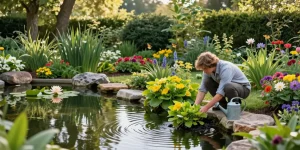
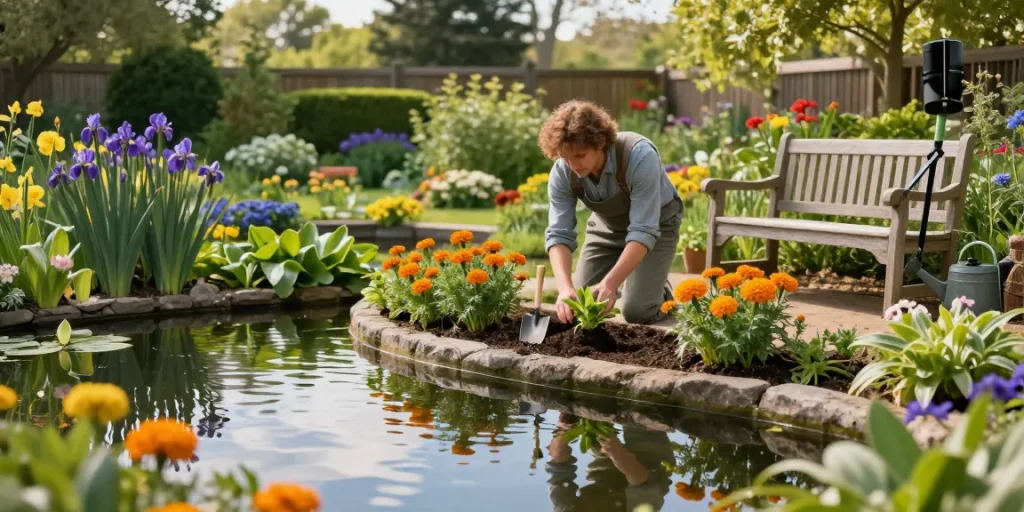
Marginal pond plants are a vital component of any aquatic ecosystem, providing not just aesthetic value but also essential ecological benefits. These plants grow at the water’s edge, helping to stabilize the shoreline and promote biodiversity. If you’re considering enhancing your pond’s health and beauty, Buy Marginal Pond Plants to create a thriving habitat for wildlife while enjoying the visual appeal they bring.
What Are Marginal Pond Plants?
Marginal pond plants are species that thrive in shallow waters, typically growing around the perimeter of ponds, lakes, and streams. These plants are adapted to wet soils and periodic flooding, making them crucial for maintaining the ecological balance in aquatic environments. Their root systems help anchor soil, reducing erosion and sedimentation while providing shelter and food for various wildlife.
Benefits of Buying Marginal Pond Plants
Investing in marginal pond plants provides numerous benefits, including:
- Biodiversity Support: These plants attract various species of insects, birds, and amphibians, fostering a balanced ecosystem.
- Aesthetic Appeal: With diverse colors and textures, they enhance the visual beauty of your pond and garden.
- Erosion Control: Their root systems stabilize the soil, preventing erosion and maintaining water clarity.
- Water Quality Improvement: Marginal plants absorb excess nutrients from the water, reducing algae growth and promoting healthier aquatic environments.
Common Types and Their Characteristics
Several types of marginal pond plants can enhance your garden, each with unique characteristics:
- Cat Tails (Typha latifolia): Known for their tall, reed-like stems and distinctive brown flower spikes, cat tails are excellent for attracting wildlife.
- Pickerel Weed (Pontederia cordata): This plant features striking blue or purple flowers and is favored for its ability to grow in various water depths.
- Marsh Marigold (Caltha palustris): Blooming in early spring, this plant offers bright yellow flowers and thrives in damp, marshy areas.
- Blue Flag Iris (Iris versicolor): This iris variety produces attractive blue flowers and is perfect for wetland areas.
Choosing the Right Marginal Plants for Your Pond
Factors to Consider When Selecting Plants
When selecting marginal plants for your pond, consider factors such as local climate, water conditions, and the overall aesthetic you wish to achieve. It’s important to choose species that are native to your region, as they are better adapted to local ecological conditions and require less maintenance.
Assessing Your Pond’s Conditions
Your pond’s conditions play a crucial role in determining which marginal plants will thrive. Evaluate:
- Water Depth: Different plants prefer varying water depths; some may require only a few inches, while others thrive in deeper water.
- Sunlight Exposure: Ensure that you select plants that match your pond’s sunlight conditions, from full sun to partial shade.
- Soil Type: The soil around your pond should be nutrient-rich and able to retain moisture for optimal plant growth.
Recommended Plant Combinations for Aesthetic Appeal
For a visually captivating pond, consider these combinations of marginal plants:
- Colorful Blooms: Pair Blue Flag Iris with Pickerel Weed for vibrant colors and varied heights.
- Textural Contrast: Combine Cat Tails with softer foliage like Marsh Marigold for visual interest.
- Wildlife Attraction: Use a mix of flowering plants to create habitats that attract butterflies and other pollinators.
Purchasing Marginal Pond Plants: Where to Buy
Best Online Retailers for Marginal Pond Plants
The convenience of online shopping has made it easier to find a variety of marginal plants. Websites specializing in aquatic gardening often offer a broader selection and detailed descriptions of each plant type. Look for retailers with positive customer reviews and sustainable sourcing practices to ensure quality.
Local Nurseries and Garden Centers
Visiting local nurseries allows you to see the plants in person and receive guidance from knowledgeable staff. These establishments often feature native plants suited to your local environment, ensuring better adaptation and growth in your pond.
Seasonal Considerations for Buying Plants
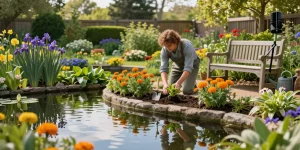
Timing is critical when purchasing marginal pond plants. Early spring is typically the best season for planting, as the water temperature begins to rise, promoting root growth. Be aware of your local frost dates to prevent damage to new plants.
Caring for Marginal Pond Plants
Maintenance Tips for Thriving Growth
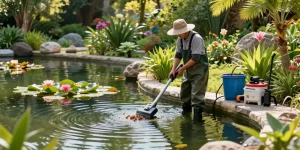
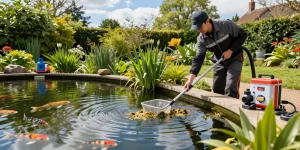
Proper care ensures the longevity and health of your marginal plants. Regular maintenance tasks include:
- Watering: Ensure that the soil remains moist during dry spells.
- Fertilization: Use organic fertilizers to promote optimal growth without harming water quality.
- Weed Control: Regularly remove invasive weeds that may compete for resources.
Common Pests and Diseases to Watch Out For
Marginal plants are susceptible to pests such as aphids, snails, and caterpillars. Regularly check for signs of infestation and remove affected leaves. Maintaining healthy soil and water conditions can also reduce the risk of diseases.
Seasonal Pruning and Plant Care Techniques
Seasonal pruning is essential for maintaining the health of marginal pond plants. In late fall, cut back dead foliage to prevent disease and improve appearance. During spring, remove any debris to promote new growth and allow sunlight to reach the plants.
The Future of Pond Gardening
Emerging Trends in Aquatic Plant Care (2026 and Beyond)
The future of pond gardening is leaning towards sustainability and biodiversity. As awareness of environmental issues rises, more gardeners are adopting practices that support local wildlife and reduce chemical usage in aquatic gardening.
Innovative Techniques for Enhancing Pond Flora
Technological advancements, such as hydroponics and aquaponics, are emerging as effective methods for cultivating aquatic plants. These techniques can improve plant growth, reduce waste, and create symbiotic environments beneficial for both plants and fish.
Expert Insights on Sustainable Gardening Practices
Experts suggest incorporating native plant species into your pond landscape, as they require less maintenance and are more resilient to pests and diseases. Additionally, using organic materials for fertilization and pest control can enhance the overall health of your pond ecosystem.
What are the benefits of marginal pond plants?
Marginal pond plants provide essential ecological functions, enhance aesthetic appeal, and create habitat for wildlife, thereby playing a crucial role in maintaining a balanced aquatic ecosystem.
How do I care for my marginal pond plants?
Regular maintenance, including watering, seasonal pruning, and pest management, is vital to ensure the health and vibrancy of your marginal pond plants.
Where can I buy quality marginal pond plants?
Quality marginal pond plants can be purchased from reputable online retailers, local nurseries, or specialized garden centers.
What are the best types of marginal plants for beginners?
For beginners, sturdy plants like Cat Tails and Pickerel Weed are recommended due to their adaptability and low maintenance requirements.
How can I improve my pond’s ecosystem with marginal plants?
Integrating diverse species of marginal plants can support wildlife, improve water quality, and enhance the stability of your pond’s ecosystem.