Choosing the Right Refrigerator for Your Home: Essential Features and Tips
1. Understanding Refrigerator Types
1.1 Overview of Refrigerator Types
Choosing the right refrigerator involves understanding the various types available on the market, as each serves a different purpose and has unique features. There are several main types: top-freezer, bottom-freezer, French door, side-by-side, and compact refrigerators, each catering to different storage needs, kitchen layouts, and user preferences.
1.2 Top-Freezer vs. Bottom-Freezer Refrigerators
Top-freezer refrigerators, characterized by their traditional design, place the freezer compartment above the refrigerator. This style is often more energy-efficient and cost-effective, making it a popular choice for families. In contrast, bottom-freezer refrigerators position the freezer below the fridge. This design provides easier access to fresh food, appealing to those who frequently use it. When choosing between these types, consider your usage patterns and kitchen space.
1.3 French Door Refrigerators: Pros and Cons
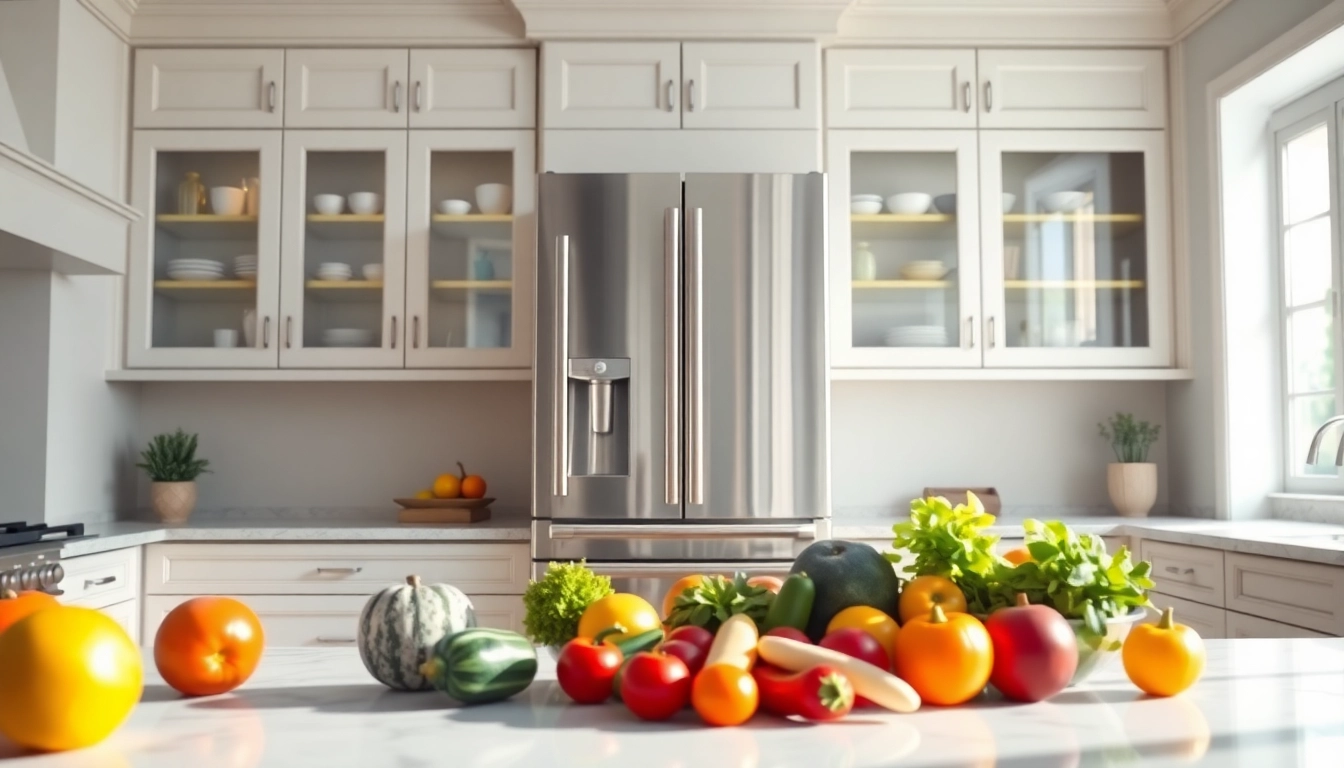
French door refrigerators boast a modern design with two side-by-side doors for the refrigerator section and a bottom drawer for the freezer. Their wide shelves make it convenient to store large items. However, they may come with a higher price tag and require more space to fully open the doors. Weighing the benefits against your kitchen layout and budget is essential when considering a French door model.
2. Key Features to Consider in a Refrigerator
2.1 Energy Efficiency Ratings
Energy efficiency is a key factor when selecting a refrigerator. Look for models with the ENERGY STAR label, which signifies that they meet strict energy efficiency guidelines set by the U.S. Environmental Protection Agency. Energy-efficient refrigerators can significantly reduce your utility bills while also benefiting the environment. Reviewing energy ratings can help ensure you choose a sustainable option.
2.2 Size and Capacity Needs
Understanding your size and capacity needs is crucial. Measure your kitchen space, including doorways and pathways, to ensure a proper fit. Additionally, consider your family’s needs; a larger family may require a unit with more cubic feet of storage, while singles or couples might opt for smaller models. It’s advisable to account for both interior storage layout and external dimensions during your selection process.
2.3 Additional Features: Water Dispensers and Smart Technology
Modern refrigerators often come equipped with various features designed to enhance usability. Water and ice dispensers add convenience, particularly for those who frequently consume chilled beverages. Smart technology is another rising trend, allowing users to control their refrigerator remotely, monitor energy consumption, and receive alerts about maintenance issues. Assessing which features align with your lifestyle can greatly enhance your user experience.
3. Installation and Maintenance Tips for Your Refrigerator
3.1 Proper Placement for Optimal Efficiency
Installing your refrigerator in the right location is vital for efficient operation. Ideally, it should be placed away from direct sunlight and heat sources like ovens. Ensuring there is sufficient clearance on all sides promotes air circulation, which can help the unit operate effectively and extend its lifespan. Additionally, placing the refrigerator on a level surface helps prevent vibrations, which can lead to mechanical issues.
3.2 Regular Maintenance Checklist
To keep your refrigerator running smoothly, regular maintenance is essential. This includes cleaning the condenser coils, checking the door seals for any cracks or signs of wear, and periodically inspecting the water filter if equipped. Schedule these maintenance tasks into your routine to prevent any issues that could disrupt performance or lead to costly repairs in the future.
3.3 Troubleshooting Common Refrigerator Issues
Understanding potential problems can save you time and inconvenience. Common issues include temperature fluctuations, unusual noises, and leaks. If your refrigerator is making strange sounds, check for any loose items and ensure it’s standing on a level surface. For temperature issues, examine the thermostat and the seals. Promptly addressing these challenges can avert bigger problems and prolong your refrigerator’s lifespan.
4. How to Choose the Right Refrigerator for Your Lifestyle
4.1 Assessing Your Cooking and Storage Habits
Before purchasing, evaluate your cooking styles and storage habits. If you frequently prepare meals for large gatherings, consider a refrigerator with ample storage and compartments for organization. Alternatively, if you prefer simpler meal prep, a compact model may suffice. Tailoring your choice to your habits ensures a functional and efficient kitchen environment.
4.2 Design Considerations: Aesthetics and Functionality
Both aesthetics and functionality should be considered when choosing a refrigerator. Your choice should complement the overall style of your kitchen while also being practical. Stainless steel finishes are popular for their sleek look and resistance to fingerprints, while colorful models can add personality. Balance these elements to create a cohesive kitchen design.
4.3 Budgeting for Your Refrigerator Investment
Establishing a budget is crucial to the refrigerator buying process. Prices can range significantly based on size, style, and features. While it may be tempting to cut costs, consider the long-term energy savings of efficient models or the added convenience of modern features. Finding a fridge that meets both your financial and functional needs is vital for a wise purchase.
5. Frequently Asked Questions About Refrigerators
5.1 What is the average lifespan of a refrigerator?
The average lifespan of a refrigerator is about 10 to 20 years, depending on usage, maintenance, and brand. Proper care can extend its life.
5.2 How do I clean my refrigerator properly?
Clean your refrigerator with a mix of warm water and mild detergent. Remove shelves and drawers for thorough cleaning. Don’t forget to wipe down the exterior and seals!
5.3 What temperature should I set my refrigerator?
The recommended refrigerator temperature is between 37°F and 40°F (3°C to 4°C) to keep food fresh while preventing spoilage.
5.4 Are there smart refrigerators available?
Yes, numerous smart refrigerators are available, equipped with Wi-Fi connectivity, touchscreens, and energy monitoring to enhance kitchen management.
5.5 How can I save energy with my refrigerator?
To save energy, keep your refrigerator clean, ensure it’s properly leveled, and maintain optimal temperatures. Regular maintenance also helps.